Tag: personal-development

  • Pilates, Somatic Movement & Neuroplasticity Rewire Your Body and Mind

    Discover how Pilates and somatic movement harness neuroplasticity to reduce pain, improve posture, and rewire the nervous system. Taking a somatic approach to Pilates aids healing, builds resilience, and improves brain health.
    Introduction: Movement as Medicine

    About 20 years ago I watched a video exploring how thoughts and actions create neural pathways and how we can build new, more positive, beneficial pathways by changing the way we think and move. Pilates is often celebrated for its physical benefits — core strength, posture, flexibility — but I have come to value its deeper impact which lies in how it reshapes the brain. Through somatic movement practices and the science of neuroplasticity, Pilates becomes more than exercise: it becomes a tool for rewiring the nervous system, reducing chronic pain, enhancing emotional resilience and improving cognitive health.

    This blog post explores how Pilates and somatic movement foster neuroplasticity, why mindful movement matters, and how you can harness these principles for healing and growth.

    What Is Neuroplasticity?

    Neuroplasticity is the brain’s ability to adapt, reorganize, and form new neural connections throughout life. It underpins learning, recovery from injury, and emotional regulation.

    Two key processes:

    • Structural plasticity: Growth of new neurons and synapses.
    • Functional plasticity: Shifting functions from damaged areas to healthy ones.

    Pilates, with its emphasis on precision, breath, and mindful repetition, directly stimulates these processes by engaging motor learning, coordination, and awareness.

    Somatic Movement: Awareness from the Inside Out

    Somatic movement focuses on felt experience rather than external performance. It retrains the nervous system to release tension and restore efficient movement patterns.

    Core principles of somatic movement:

    • Awareness of sensation
    • Slow, mindful repetition
    • Releasing habitual tension
    • Re‑educating posture and alignment

    Methods like Thomas Hanna’s Somatics, Feldenkrais and the Alexander Technique all influence Pilates by emphasizing internal awareness and nervous system regulation.

    Pilates Meets Neuroplasticity

    Pilates is uniquely positioned to foster neuroplasticity:

    • Motor learning: Each new exercise challenges coordination, sparking new neural pathways.
    • Mind‑body connection: Breathwork and focus stimulate the vagus nerve, supporting parasympathetic regulation.
    • Stress reduction: Chronic stress blocks neuroplasticity; Pilates lowers stress through mindful movement.
    • Synaptic growth: Controlled spinal articulation and balance exercises stimulate synaptogenesis.

    The Role of Fascia and Nervous System Regulation

    Fascia — the connective tissue web — is highly sensory. Pilates and somatic practices enhance fascial glide, improving proprioception and communication between body and brain.

    By integrating fascia release with mindful movement, practitioners experience:

    • Reduced chronic pain
    • Improved posture and balance
    • Enhanced nervous system regulation

    Practical Applications

    🔹 For Rehabilitation

    Pilates supports recovery from injury by teaching the brain new movement strategies, improving posture and shifting function to healthy neural circuits.

    🔹 For Postpartum Healing

    Somatic Pilates retrains pelvic floor and core muscles while calming the nervous system, crucial for mothers experiencing pelvic girdle pain or postnatal anxiety.

    🔹 For Stress and Trauma

    Trauma‑informed Pilates uses gentle, breath‑led movement to regulate the nervous system, fostering safety and resilience.

    🔹 For Cognitive Health

    Regular Pilates practice enhances memory, focus, and mental clarity by stimulating neuroplasticity.

    How to Practice for Neuroplasticity

    • Novelty: Introduce new exercises, props or variations regularly.
    • Mindfulness: Focus on sensation – how does it feel – rather than performance.
    • Breathwork: Use diaphragmatic breathing to access parasympathetic states.
    • Consistency: Repetition strengthens neural pathways.
    • Slow Movement: Slow, controlled exercises deepen awareness and retrain patterns. Slow it down!

    Final Thoughts

    Pilates and somatic movement are not just physical practices — they are neurological training systems. By harnessing neuroplasticity, practitioners can rewire movement patterns, reduce pain, and cultivate resilience.

    For wellness educators, integrating these principles into classes offers clients a holistic path to healing: body, brain, and nervous system working in harmony.

    Try some short classes and step into an oasis of calm!

    I offer training in Pilates, somatic movement and myofascial release for teachers and practitioners. If you would like to learn more, click on the links in the Services page.

    #pilates #neuroplasticity #somatichealing #cognitivehealth #painrelief #stressrelief
  • The Mental Health Benefits of Somatic Movement: Reclaiming Calm Through Pilates and Somatic Movement

    In today’s fast-paced, hyper-connected world, mental health challenges are more prevalent than ever. Anxiety, stress, burnout and emotional fatigue have become common experiences for people across all walks of life. While traditional therapies and medications play a vital role, many are turning to holistic, movement-based practices to support their emotional well-being. One such powerful approach is somatic movement, especially when integrated with Pilates principles.

    Somatic movement is more than just exercise—it’s a way of reconnecting with your body, calming your nervous system and cultivating emotional resilience. In this blog post, we’ll explore the science and soul behind somatic movement, its mental health benefits, and how Pilates and somatic practices can help you feel more grounded, present and empowered.

    What Is Somatic Movement?

    The term somatic comes from the Greek word soma, meaning “the living body in its wholeness.” Somatic movement refers to any physical activity that emphasises internal awareness—how your body feels, moves and responds—rather than external performance or aesthetics.

    Unlike conventional workouts that focus on reps, sets or calorie burn, somatic movement invites you to slow down, tune in and move with intention. It’s about sensing, not striving. This approach is deeply therapeutic, especially for those recovering from trauma, chronic stress or disconnection from their bodies.

    Key characteristics of somatic movement include:

    • Mindful attention to breath, sensation and alignment
    • Slow, deliberate motion to release tension
    • Emphasis on internal experience over external form
    • Integration of nervous system regulation and emotional awareness

    Why Somatic Movement Supports Mental Health

    Somatic movement works on multiple levels—neurological, emotional and psychological. Here’s how it supports mental health:

    1. Regulates the Nervous System

    Chronic stress activates the sympathetic nervous system (fight-or-flight), leading to anxiety, insomnia and emotional dysregulation. Somatic movement stimulates the parasympathetic nervous system (rest-and-digest), helping the body return to a state of calm.

    Somatic-based Pilates practices, with their focus on breath, spinal alignment and core control, are especially effective at downregulating stress responses.

    2. Releases Stored Tension and Trauma

    Trauma isn’t just psychological—it’s physiological. It lives in the body as muscle tightness, restricted breath and movement avoidance. Somatic movement helps release these patterns gently, without re-triggering emotional overwhelm.

    Practices like self-myofascial release, guided meditation, and gentle Pilates flows allow the body to unwind and let go.

    3. Improves Emotional Awareness

    Somatic movement fosters interoception—the ability to sense internal bodily states. This enhances emotional literacy, helping individuals recognise and respond to feelings like sadness, anger, or joy with greater clarity.

    4. Builds Resilience and Self-Efficacy

    By reconnecting with your body and learning to move with ease, you build trust in yourself. This sense of agency is crucial for mental health, especially for those recovering from depression or anxiety.

    Pilates as a Somatic Practice

    While Pilates is often thought of as a fitness workout, associated with core strength and flexibility, its roots are deeply somatic. Joseph Pilates emphasised breath, control, concentration and flow—all key elements of mindful movement.

    Somatic-style Pilates blends classical Pilates exercises with somatic principles, creating a therapeutic experience that supports both physical and emotional healing.

    Benefits of Somatic Pilates for Mental Health:

    • Mind-body integration: Enhances awareness and presence
    • Gentle strength building: Supports posture and confidence
    • Breathwork: Calms the mind and improves focus
    • Flow and rhythm: Encourages emotional regulation
    • Creative sequencing: Keeps movement engaging and joyful

    Who Can Benefit from Somatic Movement?

    Somatic movement is accessible to everyone, regardless of age, fitness level or background. It’s especially beneficial for:

    • Individuals with chronic stress or anxiety
    • Those recovering from trauma or PTSD
    • People with depression or emotional numbness
    • Clients with chronic pain or movement restrictions
    • Anyone seeking gentle, mindful exercise

    Somatic Movement in Practice: What It Looks Like

    A typical somatic movement session might include:

    • Centering breathwork to settle the nervous system
    • Slow spinal articulation to release tension
    • Pelvic tilts and hip mobility for grounding
    • Gentle core activation to build stability
    • Self-myofascial release using props like balls or foam rollers
    • Guided meditation or body scan to integrate the experience

    In a Pilates-based somatic class, these elements are woven into short, accessible sequences that prioritise feeling over form.

    The Science Behind Somatic Movement and Mental Health

    Recent studies support the efficacy of somatic movement for emotional well-being:

    • Interoceptive awareness has been linked to improved emotional regulation and reduced anxiety.
    • Mindful movement practices, including Pilates and yoga, have shown positive effects on depression, PTSD and chronic pain.
    • Somatic therapies are increasingly used in trauma recovery, helping individuals reconnect with their bodies and process emotions safely.

    Integrating Somatic Movement Into Your Life

    You don’t need a full hour or fancy equipment to benefit from somatic movement. Even 10–20 minute sessions, like those in my Express Pilates course or an exercise or two from my Somatic Movement course, can create meaningful shifts in mood and energy.

    Tips for Getting Started:

    • Start small: Choose one or two movements and focus on sensation.
    • Use breath as your anchor: Inhale to expand, exhale to release.
    • Stay curious: Notice how your body responds without judgment.
    • Create a calming space: Dim lights, soft music and a mat are enough.
    • Practice regularly: Consistency builds resilience and awareness.

    Final Thoughts: Movement as Medicine

    Somatic movement reminds us that healing doesn’t always come from doing more—it often comes from doing less, with more intention. In a world that values hustle and performance, Pilates-based somatic practices offer a sanctuary of slowness, presence and self-compassion.

    Whether you’re a wellness professional, a busy parent or someone navigating emotional challenges, somatic movement can help you reconnect with your body, regulate your emotions, and reclaim your calm.

    “Change happens through movement and movement heals.” Joseph Pilates

    If you want to try these amazing movement therapies for yourself, checkout Services or Sale

  • Teaching Pilates – Effective Cues

    teacher explaining people fitness exercises to balance the body

    I had a great question from one of my students recently (thank you if you are reading this), wanting to know what the most useful cues are when teaching Pilates.  Constantly reminding clients to breathe – preferably using the thoracic breathing technique – and engage the core are useful, but any cue that helps a client perform the exercise well and safely is essential.  This will vary from exercise to exercise, client to client, so there isn’t really a list of the top ten.  Yes, of course: there will be some cues that we reel off ad nauseum that aren’t really aimed at anyone in particular in the class.  They are just general reminders in case our clients’ minds have wandered to a parallel universe.

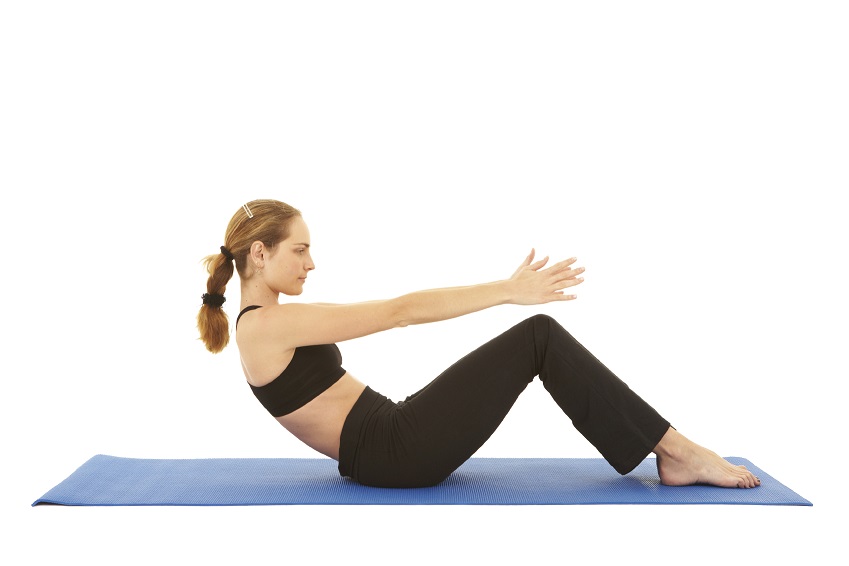
    So what makes a cue useful?  At the most fundamental level, a cue offers basic instructions: name of the exercise, body position, initial movement, direction of traffic.  For example, for the Roll Up, it could sound something like this:

    “Roll Up, seated facing me knees bent, as you exhale engage the core and tilt the pelvis.”

    In 5 seconds, they have a good idea of where this is heading.  From there, the execution cues will continue to progress the exercise, modify or help the client perform the exercise with good technique to enable them to perform safely and effectively. 

    And you can’t do that unless you can see your clients.  Back in my Jane Fonda inspired halcyon days as an aerobics instructor, if I stopped, the whole class stopped.  But we were on our feet, I was visible the whole time.  That is not the case in a Pilates class.  With the exception of those very few exercises where the clients are seated or side-facing, they can’t see you at all.  They rely on the cues you give them.  But you cannot give effective cues if you can’t see them and you can’t see them when you are lying down, doing the exercises with them.  And anyway, they can’t see you without losing alignment. 

    So if you aren’t already on your feet, observing, correcting and adjusting, the time has come.  You will never be short of an effective cue again.