Part 2 of the Pilates Essentials Series
Discover why breathwork is essential in Pilates. Learn how to teach lateral breathing, improve core activation, and enhance movement quality.
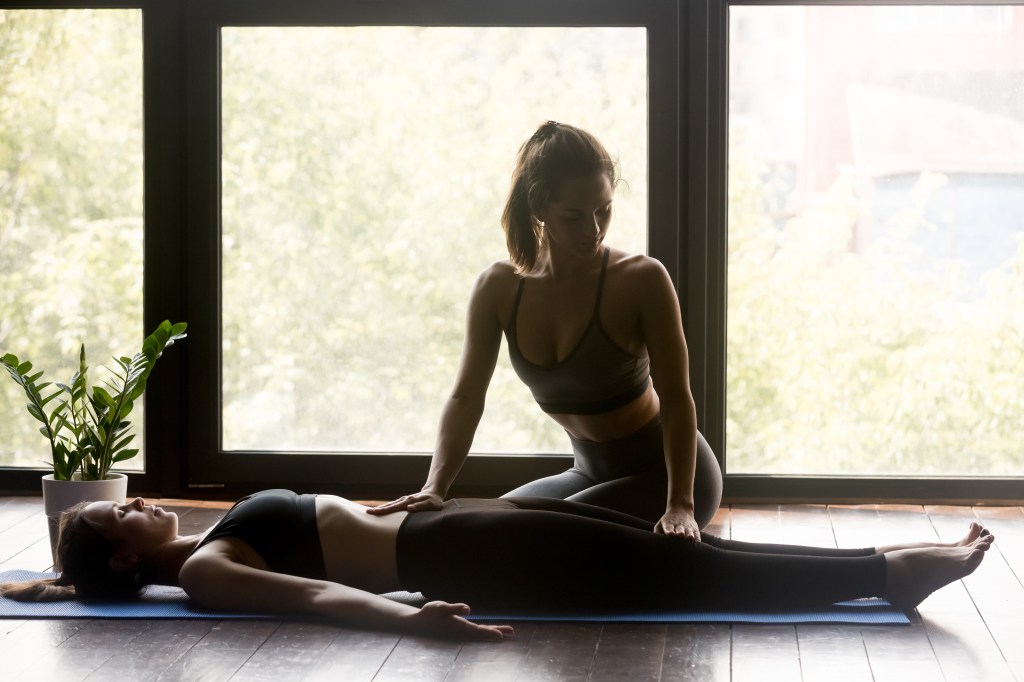
Breath is one of the most misunderstood — and most transformative — elements of Pilates. While many clients arrive thinking Pilates is “all about the core,” they quickly discover that breath is the gateway to core activation, spinal support, and mindful movement.
As teachers, we know that breathwork isn’t just a warm-up component. It’s a foundational skill that shapes the entire practice. Yet in assessments and classes, I often see breath either rushed, skipped, or taught in a way that confuses rather than empowers.
This guide will help you teach breathwork with clarity, confidence, and purpose — whether your students are beginners, seniors, or advanced movers. Breathwork is an essential part of any warm up and preparation for a Pilates class.
Why Breathwork Matters in Pilates
1. Breath Supports Core Activation
Pilates uses lateral thoracic breathing, which encourages expansion of the ribcage while maintaining gentle engagement of the deep core muscles. This allows the transversus abdominis to stay active without gripping or bracing.
When breath and core work together, clients experience:
- Better spinal support
- Reduced lower back tension
- Improved stability during movement
- A sense of ease rather than strain
For seniors or those with back pain, this is especially important.
2. Breath Enhances Movement Quality
Breath creates rhythm, flow, and control. When clients breathe well, their movements become:
- Smoother
- More coordinated
- More efficient
- Less strained
Breath is the thread that ties the entire class together.
3. Breath Regulates the Nervous System
A mindful breathing practice helps clients shift from tension to ease. This is vital for:
- Reducing anxiety
- Improving focus
- Enhancing body awareness
- Supporting trauma‑informed teaching
A calm nervous system allows for better learning and safer movement.
4. Breath Improves Oxygenation and Performance
Breathing deeply increases oxygen delivery to muscles, improving endurance and reducing fatigue. This is why breathwork is not just a warm-up — it’s a performance enhancer.
Understanding Lateral Thoracic Breathing
Lateral breathing encourages the ribcage to expand outwards and backwards, rather than lifting the chest or pushing the belly out.
Key characteristics:
- The ribcage widens like an accordion
- The sternum stays soft
- The shoulders remain relaxed
- The abdominal wall stays gently engaged
- The breath is smooth and continuous
This breathing pattern supports the spine and prepares the body for controlled movement.
How to Teach Breathwork Effectively
1. Start With Awareness
ALWAYS start with deep diaphragmatic breathing. Clients need to be breathing efficiently and be able to feel the natural core contraction on the exhalation in order to replicate it voluntarily.
Then invite clients to place their hands on the sides of their ribcage. Ask them to feel the ribs expand into their hands as they inhale, and soften as they exhale.
This tactile feedback is invaluable.
2. Use Clear, Simple Cues
Avoid over‑explaining. Instead, try cues like:
- “Breathe wide into the sides of your ribs.”
- “Let your breath expand your ribcage like wings.”
- “Soften your chest and let the breath move sideways.”
- “Exhale and gently draw the lower ribs together.”
These cues encourage natural movement without forcing.
3. Pair Breath With Movement
Breath should support the movement, not distract from it. For example:
- Inhale to prepare or lengthen
- Exhale to engage, stabilise, or flex
This pattern helps clients feel grounded and supported.
4. Offer Variations for Different Populations
For seniors:
- Keep cues slow and simple
- Avoid breath-holding
- Encourage gentle rib expansion
For beginners:
- Use tactile cues
- Keep the breath natural
- Avoid over-correcting
For advanced clients:
- Explore breath patterns that enhance flow
- Use breath to deepen spinal articulation
- Introduce breath‑initiated movement
Breathwork Warm-Up Exercises
Here are simple breath-focused warm-up drills you can use at the start of any class:
1. Supine Rib Expansion
- Knees bent, hands on ribcage
- Inhale wide, exhale soften
- Focus on releasing chest tension
2. Seated Breath and Spine Mobilisation
- Inhale to lengthen the spine
- Exhale to gently flex or rotate
- Perfect for seniors or those with limited mobility
3. Arm Sweeps With Breath
- Inhale arms overhead
- Exhale arms lower
- Encourages coordination and shoulder mobility
Common Breathwork Mistakes (and How to Fix Them)
❌ 1. Over‑breathing or forcing expansion
Fix: Encourage soft, natural breath. No pushing.
❌ 2. Lifting the chest instead of widening the ribs
Fix: “Keep the sternum soft.”
❌ 3. Gripping the abdominals
Fix: “Let the belly soften on the inhale.”
❌ 4. Breath-holding during effort
Fix: “Keep the breath flowing like a wave.”
❌ 5. Over-cueing
Fix: Use fewer words. Let clients feel, not think.
Case Study: Breathwork Transforming Movement
One of my clients struggled with neck tension during core work, even with the upper body down. After teaching her to soften the chest on the inhale, actively release stress and work within her ability level, her neck tension reduced dramatically. Clients often believe that the harder they work, the quicker results, but this simply isn’t true.
She reported feeling “lighter, stronger, and more connected” — all from focussing on keeping her breath controlled and flowing.
This is the power of breathwork.
Key Takeaway
Breathwork is not an add‑on — it’s the foundation of Pilates. When taught well, it enhances core activation, improves movement quality, supports the nervous system, and deepens the mind‑body connection.
Teach breath with clarity and intention, and your clients will feel the difference in every movement.
Learn how to teach Classical Mat Pilates with attention to the fundamental essentials on my Pilates Teacher Training Course.
#pilates #pilatesbreathing #thoracicbreathing #lateralbreathing
 BODY SOUL WELL