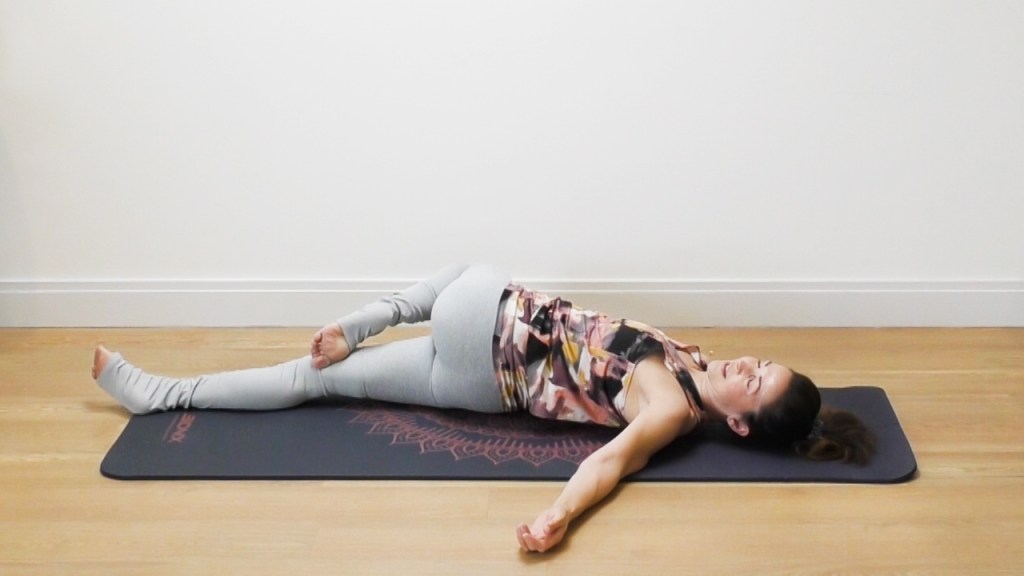
The pelvis is often described as the body’s centre, but in somatic movement it is more than a landmark. It is a dynamic hub where structure, breath, visceral function, and nervous‑system tone meet and influence one another. When people say they “hold stress in their hips,” they’re pointing to something real: the pelvis is uniquely positioned to reflect both physical load and emotional load, and it responds to both with remarkable sensitivity.
To understand why the pelvis becomes a stress container, we first need to appreciate its role as a convergence zone. Although both the musculoskeletal and autonomic nervous systems span the entire body, the pelvis is one of the few regions where they interact so densely. Structural support, visceral innervation, breath mechanics, and fascial pathways all intersect here. The diaphragm–pelvic floor relationship, the neural supply to the pelvic organs, and the connective‑tissue networks that pass through this area make the pelvis a natural meeting point of physical stability and stress‑response.
The sacral plexus adds another layer to this interplay. Resting against the front of the sacrum, it carries motor and sensory fibres to the pelvic floor, deep hip rotators, and gluteal muscles, while its parasympathetic branches (S2–S4) help regulate bladder, bowel, and reproductive function. Because these nerves are influenced by autonomic state, shifts in stress, fear, or emotional load can directly affect pelvic muscle tone, breath responsiveness, and visceral tension. In simple terms, the pelvis is where your body’s physical support system meets its emotional and protective system — which is why tension so often gathers there.
Many people experience this as:
- A sense of gripping or bracing in the lower belly
- Tightness in the hip flexors
- A tucked or rigid pelvic position
- Difficulty relaxing the glutes
- A feeling of “holding on” in the centre of the body
These patterns are not random. They are protective.
When we understand this convergence, pelvic holding stops looking like a random pattern and starts looking like a meaningful strategy — a way the body creates stability, safety, and containment when life feels overwhelming. And this is precisely why somatic movement can be so transformative: it works with the nervous system, not against it, helping the pelvis soften, reorganise, and return to its natural rhythm.
Why the Pelvis Holds Stress
1. The Pelvic Floor Mirrors the Breath
The diaphragm and pelvic floor work as a functional pair. When the diaphragm descends on inhalation, the pelvic floor responds by lengthening and yielding. When the diaphragm lifts on exhalation, the pelvic floor recoils and supports.
If someone’s breathing becomes shallow — a common response to stress — the diaphragm stops moving through its full range. The pelvic floor follows suit, becoming less responsive and more rigid. Over time, this creates a baseline of tension that feels like “stress in the hips.”
Research in respiratory biomechanics shows that reduced diaphragmatic excursion correlates with increased pelvic floor tone. In other words: when breath becomes tight, the pelvis becomes tight.
2. The Pelvis Is Central to Postural Stability
The pelvis is the keystone of the body’s alignment. Small shifts in pelvic position influence the lumbar spine, ribcage, hip joints, and even the feet. When the nervous system senses instability — physical or emotional — it often responds by stiffening the pelvis to create a sense of control.
This can show up as:
- Excessive posterior tilt (tucking)
- Excessive anterior tilt (arching)
- Reduced rotation during gait
- Limited lateral shifting
- Over‑recruitment of the hip flexors or glutes
These patterns are not simply muscular habits: they are stabilisation strategies. The body is trying to feel safe.
3. The Pelvis Stores Unresolved Protective Responses
Somatic traditions such as Feldenkrais, Hanna Somatics, and trauma‑informed movement all recognise that the pelvis is a repository for incomplete reflexes — the “fight, flight, freeze, or fold” responses that were never fully expressed.
For example:
- A freeze response may create rigidity in the pelvic floor and hip rotators.
- A flight response may tighten the hip flexors and shorten the front line of the body.
- A fold response may collapse the lower belly and reduce pelvic mobility.
These patterns can persist long after the triggering event has passed. The body remembers through tension.
4. The Pelvis Is a Fascial Intersection
The pelvis is wrapped in a dense network of fascia that connects to the thoracolumbar fascia, the adductors, the iliopsoas, the abdominal wall, and the diaphragm. The glutes are part of this system too. Gluteus maximus blends into the thoracolumbar fascia and sacrotuberous ligament, linking it directly to the pelvic floor, sacrum, and hamstrings. Gluteus medius and minimus sit within the lateral hip fascia, influencing pelvic stability and the way load transfers through the hips during walking and standing.
Fascia responds to stress by thickening, dehydrating, and losing glide. When this happens, movement becomes restricted and the pelvis feels “stuck.”
How Somatic Movement Releases Pelvic Tension
Somatic movement works not by stretching tight muscles, but by restoring the body’s ability to sense, respond, and reorganise. It is a process of re‑education — teaching the nervous system that it is safe to soften.
Here are the key mechanisms through which somatic movement helps the pelvis release stress:
1. Releasing Protective Patterns Through Awareness
Somatic movement begins with noticing. When someone becomes aware of how they hold their pelvis — how they grip, tuck, brace, or collapse — the nervous system gains new information. Awareness alone can reduce unnecessary tension.
This is why slow, exploratory movements are so effective. They give the brain time to update its map of the pelvis.
2. Restoring the Breath–Pelvis Relationship
Gentle somatic practices that synchronise breath with pelvic movement help re‑establish the diaphragm–pelvic floor partnership. When breath becomes fluid, the pelvic floor becomes responsive again.
Simple explorations such as:
- Feeling the pelvic floor yield on inhalation
- Allowing the lower belly to soften
- Noticing the natural recoil on exhalation
…can create profound shifts in pelvic tension.
3. Re‑educating the Deep Stabilisers
The deep stabilisers — pelvic floor, transversus abdominis, multifidus — are designed for subtle, continuous support. When they become overactive, they lose their ability to modulate.
Somatic movement helps these muscles return to their natural rhythm by:
- Reducing global bracing
- Encouraging micro‑movements
- Improving proprioception
- Allowing the pelvis to tilt, rotate, and shift without fear
As the stabilisers regain nuance, the pelvis feels lighter and more adaptable.
4. Releasing Fascial Holding Patterns
Slow, spiralling movements, gentle rocking, and mindful weight‑shifting hydrate the fascia and restore glide. When fascia becomes more elastic, the pelvis moves more freely and tension dissipates.
This is why somatic movement often feels like “melting” or “unwinding.” The tissues are literally reorganising.
5. Completing Unfinished Reflexes
Somatic practices that allow the body to express small, instinctive movements — such as curling, uncurling, reaching, or shifting — help complete protective responses that were previously interrupted.
When these reflexes resolve, the pelvis no longer needs to hold tension as a form of protection.
What Pelvic Release Feels Like
People often describe pelvic release as:
- A sense of warmth or spreading
- Softening in the lower belly
- More freedom in the hips
- Easier breathing
- A feeling of being grounded but not heavy
- A sense of emotional clarity or relief
These sensations are signs that the nervous system is shifting from protection to presence.
The Pelvis as a Gateway to Whole‑Body Ease
When the pelvis releases tension, the effects ripple upward and downward through the kinetic chain. The lumbar spine decompresses. The ribcage becomes more buoyant. The hip joints regain mobility. The feet feel more connected to the ground.
Emotionally, people often feel calmer, clearer, and more centred. The pelvis is not just a physical structure: it’s a gateway to embodied resilience.
Somatic movement doesn’t force the pelvis to change. It invites it. And when the pelvis feels safe enough to soften, the whole body follows.
 BODY SOUL WELL