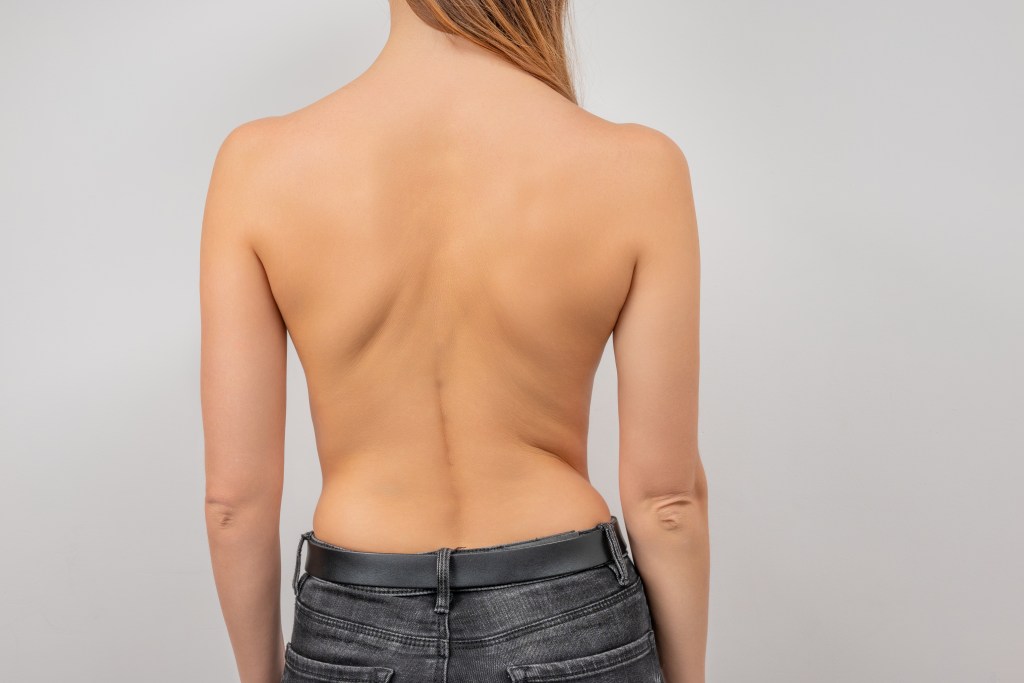
Introduction: Why Pelvic Alignment Matters
Pelvic girdle pain (PGP) affects millions — for women during pregnancy to desk-bound professionals and athletes. While hormonal shifts during pregnancy and joint laxity are often cited, scientific and medical research supports the theory that pelvic misalignment is a major biomechanical contributor. Misalignment disrupts muscle coordination, joint stability, balanced mobility and fascial tension, leading to pain and dysfunction.
This post explores:
- Types of pelvic misalignment
- Muscles involved
- How misalignment causes pain
- Movement-based solutions for healing
What Is Pelvic Misalignment?
A misaligned pelvis means the pelvic bones (ilium, ischium, pubis) are out of neutral position relative to the spine and femurs. Even subtle shifts can affect:
- Load distribution
- Joint mobility
- Muscle activation
- Nerve function
Symptoms of pelvic misalignment:
- Sacroiliac joint pain
- Pubic symphysis discomfort
- Hip, groin, or lower back pain
- Pelvic floor dysfunction
- Gait instability
Types of Pelvic Misalignment
1. Anterior Pelvic Tilt
- Pelvis tips forward, increasing lumbar curve
- Characteristics include tight hip flexors, weak abdominals
- Common in pregnancy due to postural changes and prolonged sitting
2. Posterior Pelvic Tilt
- Pelvis tilts backward, flattening lumbar spine
- Characteristics include tight hamstrings, glutes, weak hip flexors
3. Lateral Tilt
- One side of pelvis higher than the other, bringing the ribs and hips closer
- Can cause a functional leg length discrepancy, scoliosis, muscle imbalance (or any of these can cause the lateral tilt)
4. Rotational Misalignment
- Pelvis rotates around vertical axis
- Caused by muscles imbalances, poor postural habits or foot alignment
5. Pelvic Torsion
- One hip rolls forward or back relative to the other hip
- Caused by muscles imbalances, habitual movement patterns
Muscles That Influence Pelvic Alignment
🔹 Internal Obliques
- Deep abdominal muscles aiding trunk rotation, lateral flexion and pelvic stabilisation
- Work with transverse abdominis and pelvic floor as part of the core muscles group
- Weakness or asymmetry can cause rotation, torsion or lateral tilt
🔹 Gluteus Medius & Maximus
- Stabilise hips and level pelvis during gait
- Weakness leads to a misaligned pelvis, balance issues, knee problems, back pain and SI joint strain
🔹 Hip Flexors (Iliopsoas)
- Tightness pulls pelvis into anterior tilt
- Common in sedentary lifestyles
🔹 Hamstrings & Erector Spinae
- Overactivity contributes to posterior tilt and lumbar stiffness
🔹 Pelvic Floor Muscles
- Support pelvic organs and core stability
- Dysfunction can exacerbate misalignment and pain
Fascia and Joint Mechanics
The pelvis, apart from being an attachment point for many major muscles of the torso and legs, is a fascial crossroads. Key structures include:
- Thoracolumbar fascia: connects spine to pelvis
- Pelvic floor fascia: integrates with diaphragm and abdominals
- Iliotibial band: affects lateral pelvic stability
Joints involved:
- Sacroiliac joints: transfer weight from spine to legs
- Pubic symphysis: absorbs shock, allows slight movement
Misalignment stresses these joints, leading to inflammation and instability. A major and often debilitating condition for 1 in 5 women during pregnancy.
How Misalignment Causes Pelvic Girdle Pain
Pelvic misalignment triggers a cascade of symptoms:
- Uneven load distribution leads to joint strain
- Muscle compensation leads to tightness, weakness
- Nerve compression leads to pain, numbness
- Inefficient movement patterns leads to injury risk
PGP often becomes chronic if misalignment isn’t addressed.
Movement-Based Solutions
🔹 Pilates for Pelvic Alignment
- Strengthens internal obliques, glutes, and deep core
- Promotes neutral alignment and breath-led movement
🔹 Somatic Movement & Myofascial Release
- Restores fascial glide and neuromuscular coordination
- Releases tension and improves proprioception
🔹 Postural Re-education
- Ergonomic awareness and movement retraining
- Again, Pilates, Somatic Movement and yoga support alignment
🔹 Breathwork & Core Activation
- Diaphragmatic breathing enhances effieciency of the core muscles
Prevention & Long-Term Support
To prevent recurrence:
- Avoid prolonged sitting and asymmetrical loading: become aware of your posture and how you move.
- Work on posture and core muscles
- Address leg length discrepancies and muscle imbalances early
- Use supportive footwear and ergonomic tools
Prenatal PGP can be relieved by improving pelvic mobility, releasing tension in the muscles around the centre of the body and pelvis and strengthening the key core muscles.
Women struggling with prenatal PGP will benefit very much from physical therapy.
Postpartum recovery should include pelvic floor rehab and core integration to restore alignment and hopefully, avoid a recurrence in future pregnancies.
Final Thoughts
Pelvic misalignment is a dynamic issue involving muscles, fascia, joints and poor habitual movement patterns. By understanding the role of structures like the internal obliques and pelvic joints, we can offer targeted, empowering solutions for pelvic girdle pain.
Whether you’re a wellness educator, prenatal/postpartum client or someone navigating chronic discomfort, restoring pelvic alignment is foundational to healing and resilience.
 BODY SOUL WELL
Leave a comment