Author: Josie

  • Shoulder Girdle Stability & Upper Body Integration: Creating Strength Without Tension

    Pilates Essentials Series — Part 6

    Introduction: Why the Shoulder Girdle Is the Unsung Hero of Pilates Technique

    When we think of Pilates fundamentals, the core and pelvis often take centre stage — but the shoulder girdle is just as essential. For teachers, understanding how to cue and organise the shoulder complex is key to helping clients move with ease, reduce neck and upper‑back tension, and build true functional strength.

    The shoulder girdle is a dynamic, mobile structure designed for fluid movement. Yet many clients arrive with stiff necks, rounded shoulders, overactive upper traps, and underactive stabilisers. Without proper alignment and engagement, even simple Pilates exercises can create strain instead of strength.

    In this instalment of the Pilates Essentials Series, we explore how to teach shoulder girdle stability and upper‑body integration in a way that empowers your clients to move freely, breathe fully, and build balanced strength.

    1. Understanding the Shoulder Girdle: A Teacher’s Guide

    The shoulder girdle is not just the shoulder joint — it’s an entire system.

    Key components include:
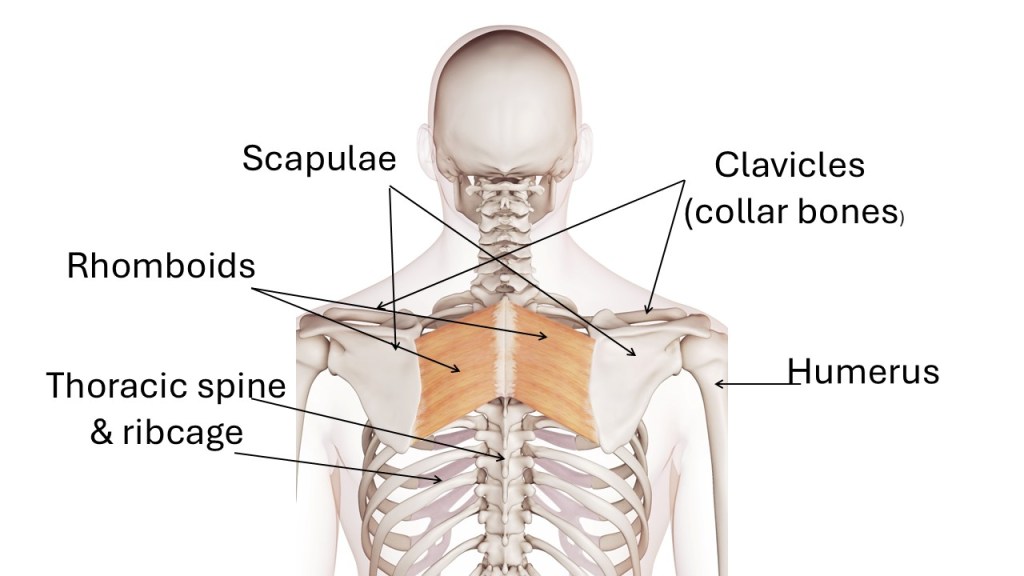
    • Scapulae (shoulder blades)
    • Clavicles (collarbones)
    • Humerus (upper arm bone)
    • Thoracic spine and ribcage
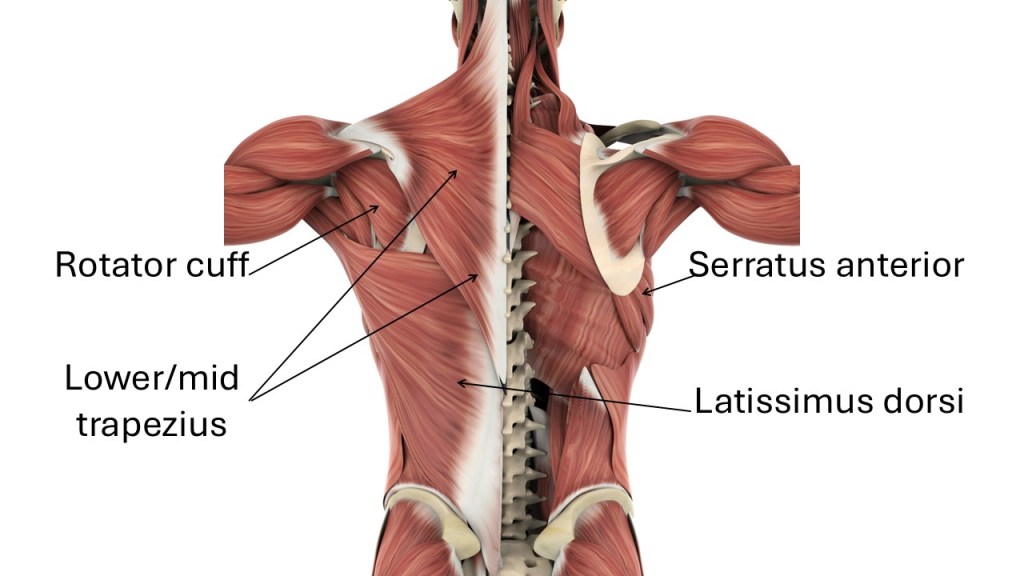
    • Muscles including:
      • Serratus anterior
      • Lower and middle trapezius
      • Rhomboids (above)
      • Rotator cuff
      • Pectorals (chest)
      • Latissimus dorsi

    Why this matters in Pilates

    The shoulder girdle influences:

    • Neck tension
    • Ribcage mobility
    • Breath capacity
    • Core activation
    • Arm strength
    • Posture
    • Load transfer through the spine

    When the shoulder girdle is organised, the entire upper body becomes more efficient and responsive.

    2. The Three Pillars of Shoulder Girdle Stability

    1. Scapular placement

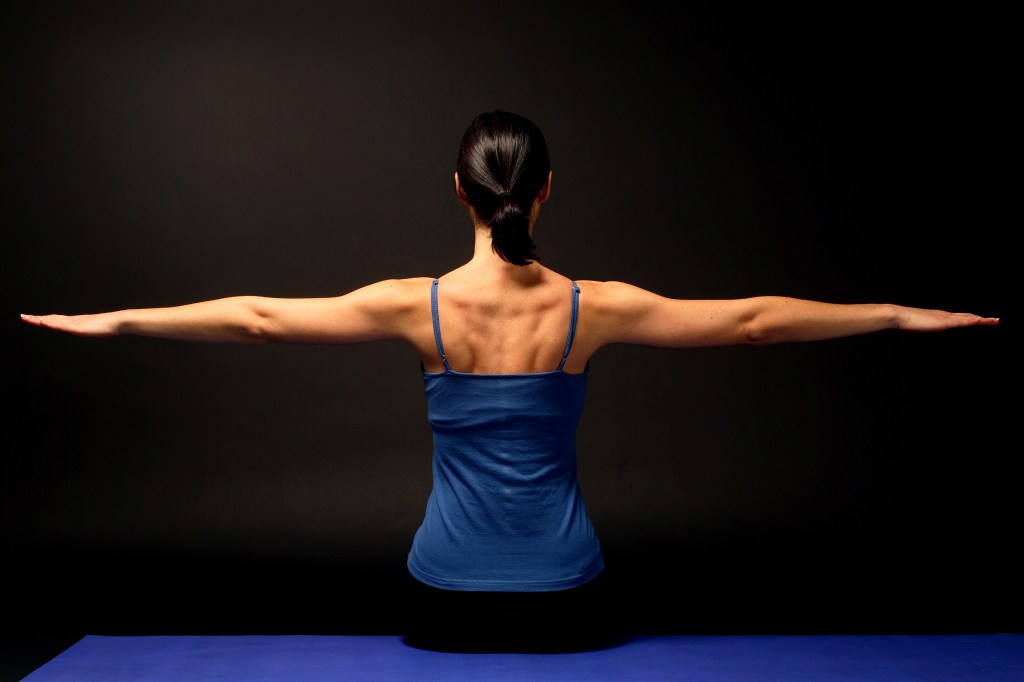
    The scapulae should rest on the ribcage like “wings,” not pinched together or shrugged upward.

    Neutral scapular placement means:

    • Wide across the collarbones
    • Shoulder blades gently anchored down the back
    • No gripping or forcing

    2. Serratus anterior activation

    This muscle is the secret weapon of shoulder stability.

    It helps:

    • Keep the scapulae flush to the ribcage
    • Prevent winging
    • Support overhead movements
    • Reduce upper‑trap dominance

    3. Balanced mobility

    Stability does not mean rigidity. The shoulder girdle must glide, rotate, and slide to support natural movement.

    3. How Shoulder Girdle Alignment Affects the Whole Body

    a. The neck

    Poor scapular control often leads to:

    • Neck tension
    • Forward-head posture
    • Overuse of upper trapezius

    b. The ribcage

    The shoulder girdle sits on the ribcage — if the ribs are stiff or flared, the shoulders cannot organise well.

    c. The core

    Upper‑body alignment influences:

    • Deep core activation
    • Breath mechanics and efficiency
    • Thoracic mobility

    d. The arms

    Without stable scapulae, arm movements become inefficient and strain the rotator cuff.

    4. Teaching Shoulder Girdle Stability: A Step‑by‑Step Method for Instructors

    Step 1: Build awareness

    Clients must first feel their shoulder blades.

    Use explorations such as:

    • Scapular elevation/depression
    • Protraction/retraction
    • Upward/downward rotation

    Encourage slow, mindful movement.

    Step 2: Introduce neutral scapular placement

    Cue:

    • “Widen your collarbones.”
    • “Let your shoulder blades melt down your back.”
    • “Imagine your shoulder blades sliding into your back pockets.”

    Avoid cues like “pull your shoulders down” — they often create tension.

    Step 3: Layer in breath

    Breath expands the ribcage, which supports scapular placement.

    Cue:

    • “Inhale to widen the ribs; exhale to soften the shoulders.”

    Step 4: Add load gradually

    Once alignment is established, challenge it with:

    • Arm arcs
    • The Hundred arm pumps
    • Plank variations

    The goal is maintaining organisation under increasing demand.

    5. Common Shoulder Girdle Issues & How to Correct Them

    1. Over‑shrugging

    Often caused by:

    • Upper‑trap dominance
    • Weak serratus anterior
    • Stress and habitual tension

    Corrections:

    • Cue softening of the shoulders
    • Strengthen serratus anterior
    • Encourage ribcage expansion

    2. Scapular winging

    Often caused by:

    • Weak serratus anterior
    • Poor ribcage mobility
    • Overuse of pecs

    Corrections:

    • Teach protraction with control
    • Strengthen serratus (e.g., wall slides, quadruped work)
    • Improve thoracic mobility

    3. Over‑retraction (“military posture”)

    Often caused by:

    • Over‑cueing “shoulders back”
    • Tight rhomboids
    • Weak lower traps

    Corrections:

    • Cue width across the collarbones
    • Encourage natural scapular glide
    • Strengthen lower traps

    6. Cueing Strategies That Create Real Change

    Use imagery

    • “Imagine your shoulder blades floating on warm water.”
    • “Think of your collarbones as wings spreading wide.”

    Use tactile cues

    With consent:

    • Hands on the scapulae
    • Guiding the shoulder blades into neutral

    Use functional cues

    • “Can you move your arm without your shoulder hiking?”
    • “Can you breathe without your shoulders lifting?”

    Use layered cueing

    Start broad → refine → integrate.

    7. Exercises That Teach Shoulder Girdle Stability Naturally

    1. Scapular isolations

    Build awareness and control.

    2. Angel Arms/Wall slides

    Strengthen serratus anterior and improve upward rotation.

    3. Quadruped arm reach

    Integrates core, shoulder, and ribcage stability.

    4. Plank variations

    Teach load‑bearing with proper alignment.

    5. Arm work

    Challenges stability through resistance (bands or weights).

    8. Progressions for Safe, Effective Upper‑Body Training

    Start with awareness

    Clients must understand scapular movement.

    Add stability

    Introduce neutral placement and breath.

    Add load

    Use arm arcs, resistance, and planks.

    Add complexity

    Rotation, balance, and dynamic transitions.

    Add functional integration

    Standing work, overhead movements, and full‑body sequences.

    9. Why Shoulder Girdle Stability Elevates Your Teaching

    When you teach shoulder girdle organisation well, your clients:

    • Reduce neck and shoulder tension
    • Improve posture
    • Strengthen their upper body safely
    • Move with more confidence
    • Breathe more fully
    • Build long‑term resilience

    And your teaching becomes:

    • More precise
    • More effective
    • More transformative

    Conclusion: Creating Strength Without Tension

    The shoulder girdle is a dynamic, powerful system that supports every upper‑body movement in Pilates. When clients learn to organise their shoulders with ease and awareness, they unlock a new level of strength — one that is grounded, balanced, and free from tension.

    As teachers, our role is to guide them toward this integration with clarity, patience, and thoughtful cueing.
  • Pelvic Alignment & Neutral Spine: Teaching the Cornerstone of Safe Movement

    Part 5 of the Pilates Essentials Series

    Introduction: Why Pelvic Alignment Is the Quiet Powerhouse of Pilates

    If there is one concept that quietly determines the success, safety, and effectiveness of nearly every Pilates exercise, it’s pelvic alignment. For teachers, understanding how to assess, cue, and correct pelvic positioning is essential — not only for technique, but for helping clients build long‑term functional strength, good posture and body awareness.

    Pelvic alignment is the foundation of spinal organisation, core activation, hip mobility, and load distribution. When the pelvis is out of alignment, everything above and below it compensates. When it’s in neutral, the body moves with efficiency, stability and ease.

    In this instalment of the Pilates Essentials Series, we explore how to teach pelvic alignment and neutral spine with clarity, confidence and precision — so your clients can move better, feel stronger and stay injury‑free.

    1. Understanding Pelvic Alignment: The Teacher’s Perspective

    Before we can teach pelvic alignment effectively, we need to understand what we’re looking for.

    The pelvis has three primary positions:

    • Anterior tilt — ASIS forward/down, lumbar spine increases in extension
    • Posterior tilt — ASIS back/up, lumbar spine flattens
    • Neutral pelvis — ASIS and pubic bone aligned

    Why neutral matters

    Neutral pelvis:

    • Supports optimal spinal curves
    • Allows the deep core to activate reflexively
    • Reduces compensatory tension in the hips and lower back
    • Improves load transfer through the kinetic chain
    • Enhances balance and proprioception

    For teachers, neutral pelvis is a functional starting point. It’s the place where the body is most organised and ready for movement.

    2. How Pelvic Alignment Influences the Entire Body

    a. The spine

    The pelvis is the base of the spine. If the base shifts, the spine must adapt.

    • Anterior tilt → increased lumbar lordosis
    • Posterior tilt → flattened lumbar curve
    • Neutral → natural shock absorption and segmental mobility

    b. The core

    Neutral pelvis allows the transversus abdominis, pelvic floor and multifidus to work together. If the pelvis is tilted, one or more of these systems becomes inhibited.

    c. The hips

    Hip flexors, extensors, abductors and rotators all attach to the pelvis. Pelvic misalignment often shows up as:

    • Tight hip flexors
    • Weak glutes
    • Limited hip extension
    • Overactive hamstrings

    d. Movement quality

    Clients with poor pelvic alignment often:

    • Grip with their lower back
    • Overuse superficial abdominals
    • Struggle with balance
    • Lose control during transitions

    Teaching neutral pelvis early creates a foundation for everything that follows.

    3. Teaching Neutral Spine: A Step‑by‑Step Approach for Instructors

    Step 1: Establish body awareness

    Clients need to feel the pelvis move before they can control it.

    Use simple explorations:

    • Pelvic tilts (anterior/posterior)
    • Rocking side to side
    • Circling the pelvis

    These movements help clients understand the range available to them.

    Step 2: Define neutral clearly

    Use tactile, visual and verbal cues:

    • “Imagine your pelvis is a bowl of water — in neutral, the water stays level.”
    • “Your hip bones and pubic bone form a triangle — keep it flat like a tabletop.”
    • “Feel equal weight on both sit bones.”

    Step 3: Layer in breath

    Breath helps release unnecessary tension and supports deep core activation.

    Cue:

    • Inhale to expand the ribs laterally
    • Exhale to gently engage the deep abdominals without forcing a tilt

    Step 4: Add load gradually

    Once neutral is established, challenge it with:

    • Arm movements
    • Leg lifts
    • Bridging variations
    • Quadruped work

    The goal is maintaining alignment under increasing demand.

    4. Common Pelvic Alignment Issues & How to Correct Them

    1. Over‑tucking (posterior tilt dominance)

    Often seen in clients who:

    • Have tight hamstrings
    • Overuse superficial abdominals
    • Fear lumbar extension

    Corrections:

    • Encourage length through the spine
    • Cue the sit bones to widen
    • Reduce abdominal bracing
    • Strengthen hip flexors and spinal extensors gently

    2. Over‑arching (anterior tilt dominance)

    Common in:

    • Can be seen in hypermobile clients
    • Those with tight hip flexors
    • People who stand with “gymnastic/dancer’s posture”

    Corrections:

    • Cue drawing back the ribs
    • Encourage engagement of lower abdominals
    • Stretch hip flexors
    • Strengthen glutes and hamstrings

    3. Lateral pelvic shift or hike

    Often caused by:

    • Glute med weakness on one side
    • Scoliosis
    • Habitual standing patterns

    Corrections:

    • Cue equal weight on both sit bones
    • Strengthen lateral hip stabilisers
    • Use mirrors or tactile feedback

    5. Cueing Strategies That Actually Work

    Use imagery

    Pilates thrives on imagery because it bypasses overthinking.

    • “Imagine your pelvis is a compass — keep north and south aligned.”
    • “Think of your pelvis as a bowl of fruit — don’t spill it.”

    Use tactile cues

    Either client of you with consent:

    • Hands on ASIS
    • Hands on the sacrum
    • Guiding the pelvis through tilt and neutral

    Use functional cues

    • “Can you breathe without your pelvis shifting?”
    • “Can you lift your leg without your back joining in?”

    Use layered cueing

    Start simple → add detail → refine precision.

    6. Exercises That Teach Pelvic Alignment Naturally

    1. Supine pelvic tilts

    Build awareness and control.

    2. Bridge extended leg variation

    Teach hip extension without lumbar compensation.

    3. Dead bug / toe taps

    Challenge neutral under load.

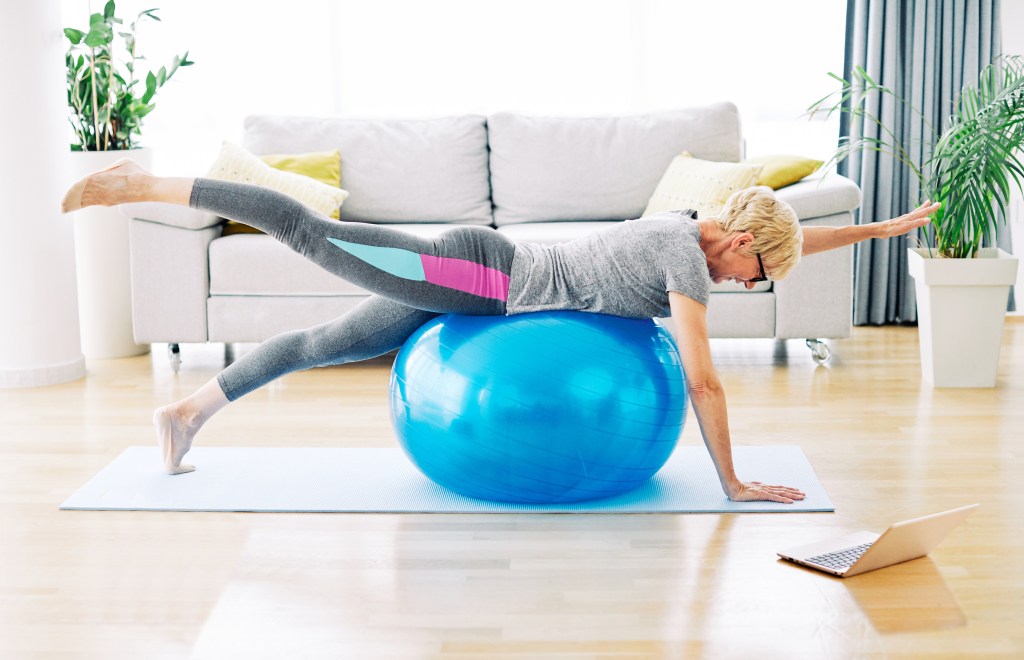
    4. Quadruped arm/leg reach (Box Swim/Superman)

    Integrates core, pelvis and shoulder stability.

    5. Standing weight shifts

    Bring pelvic alignment into functional movement.

    7. How to Progress Clients Safely

    Start with awareness

    Clients must feel the pelvis move.

    Add stability

    Introduce neutral and hold it with breath.

    Add load

    Leg lifts, arm reaches, bridging.

    Add complexity

    Rotation, balance, transitions.

    Add functional integration

    Standing work, balance, gait patterns.

    8. Why Pelvic Alignment Is a Game‑Changer for Teachers

    When you teach pelvic alignment well, you help clients:

    • Reduce back pain
    • Improve posture
    • Strengthen their core
    • Move with confidence
    • Understand their bodies
    • Build long‑term resilience

    It also elevates your teaching:

    • Your cueing becomes clearer
    • Your programming becomes more intentional
    • Your clients progress faster
    • Your sessions become safer and more effective

    Pelvic alignment is not just a concept — it’s a teaching superpower.

    Conclusion: Neutral Pelvis as the Foundation for Everything That Comes Next

    Pelvic alignment and neutral spine are the cornerstones of safe, effective Pilates practice. When clients understand how to organise their pelvis, they unlock better movement patterns, deeper core activation and a more connected mind‑body experience.

    As teachers, our role is to guide them toward awareness, control and confidence — one cue, one breath and one movement at a time.

  • Core Engagement and Stability in Pilates: Building a Strong Foundation

    Why Core Engagement Matters in Pilates

    Part 4  of the Pilates Essentials Series

    The core is the powerhouse of Pilates. In Pilates, core engagement isn’t just about having toned abs — it’s about creating stability, improving posture, and enabling efficient movement. When your core is active, every exercise becomes safer and more effective.

    “A strong centre supports everything else.”

    Benefits of a Strong Core

    • Improved Posture: A stable core supports spinal alignment and reduces strain on joints.
    • Enhanced Balance: Core strength helps maintain equilibrium during dynamic movements.
    • Injury Prevention: Proper engagement protects the lower back and hips.
    • Functional Strength: A strong core translates to better performance in everyday activities.

    Understanding the Core in Pilates

    When we talk about the “core” in Pilates, we mean more than just the rectus abdominis (the six-pack muscles). The Pilates core includes:

    • Transversus Abdominis (TA): The deepest abdominal layer, acting like a corset.
    • Multifidus: Small stabilising muscles along the spine.
    • Pelvic Floor: Supports the organs and works with the TA for stability.
    • Diaphragm: Integral for breath and core activation.
    • Obliques: Assist with rotation and lateral flexion.

    This interconnected system creates a strong, supportive centre for movement.

    How to Cue Core Engagement Effectively

    Teaching core activation is an art. Here are practical cues to help clients find and maintain engagement:

    1. Start with Breath

    Breathwork is the gateway to core activation. Use lateral breathing:

    • Inhale: Expand the ribcage sideways and into the back.
    • Exhale: Draw the navel gently towards the spine, activating the TA without gripping.

    Cue: “Imagine tightening a corset as you exhale.”

    2. Visualisation Techniques

    • “Think of zipping up a pair of jeans.”
    • “Draw your hip bones together without moving them.”

    3. Avoid Common Mistakes

    • Over-bracing: A common mistake is gripping too hard, creating tension.
    • Holding Breath: Keep breathing while engaging.
    • Pelvic Tilt Overload: Engagement should be subtle, not forced.

    Exercises to Build Core Stability

    Here are five Pilates staples for core strength and stability:

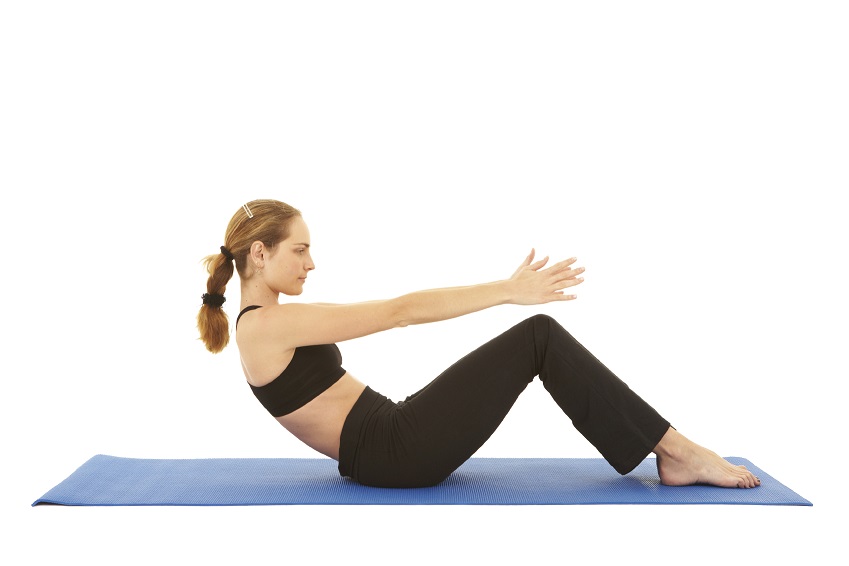
    1. The Hundred

    • Purpose: Warm-up and activate deep core muscles.
    • Key Cue: Maintain neutral spine while pumping arms.
    • Modification: Bend knees if needed.

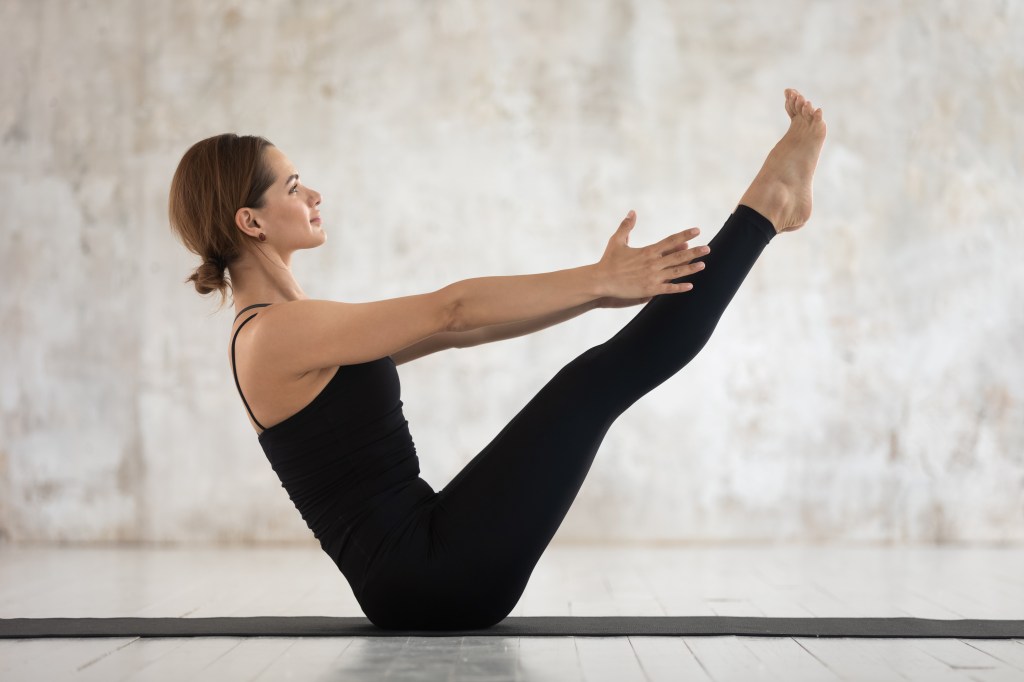
    2. Single Leg Stretch

    • Purpose: Strengthens TA and obliques.
    • Key Cue: Keep pelvis stable as legs move.

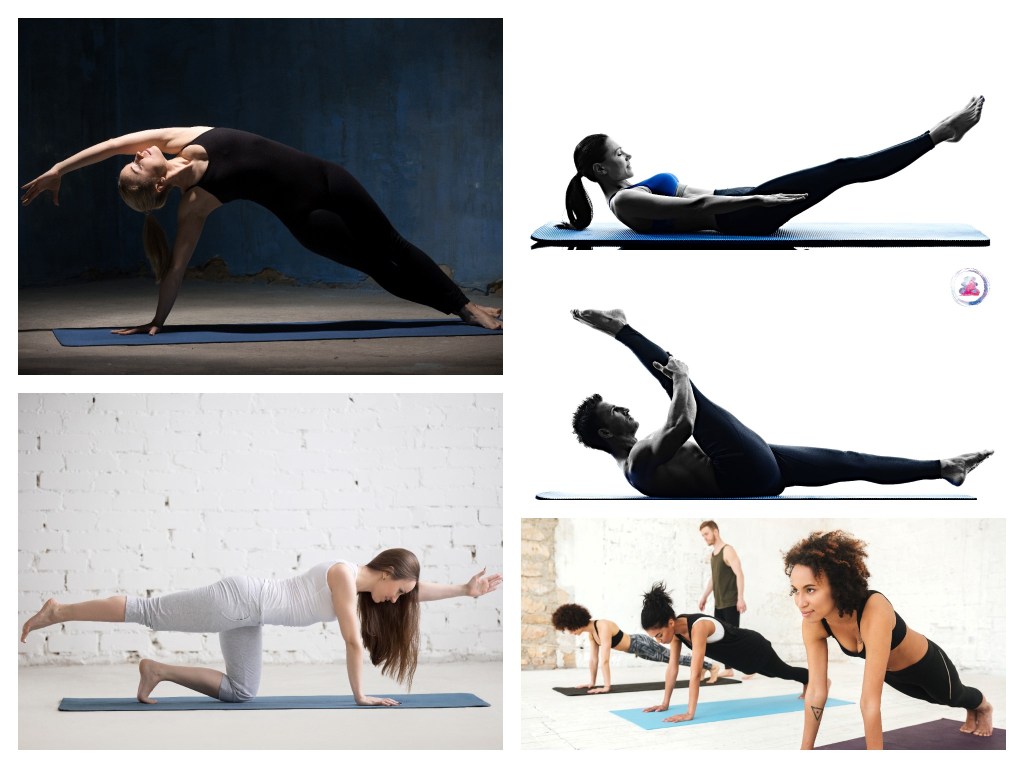
    3. Plank/Leg Pull Down (modified)

    • Purpose: Full-body integration with core focus.
    • Key Cue: Avoid sagging hips; draw navel to spine.

    4. Bird Dog

    • Purpose: Stability during limb movement whilst working multifidus.
    • Key Cue: Keep ribs connected and spine neutral.

    5. Side Plank

    • Purpose: Targets obliques and lateral stability.
    • Key Cue: Lift from the core, lift out out the shoulder.

    Take the Time to Connect

    Whether you are teaching or practising Pilates, take the time to

    • Prepare the nervous system: breathe deeply, release tension from body & mind.
    • Find neutral position: the core muscles fire up most effectively in ideal alignment.
    • Feel the natural core activation with the exhale: this makes it easier to hold voluntarily as the mind has connected with the sensation.
    • Lateral/thoracic breathing: hold the contraction and feel the breath move into the ribcage, wide rather than deep.
    • Neuromuscular activation: warm up the core muscles and allow them to prepare for the work to come.

    Integrating Core Engagement into Every Pilates Session

    Core activation isn’t a standalone concept — it should underpin every exercise. Encourage clients (or yourself!) to:

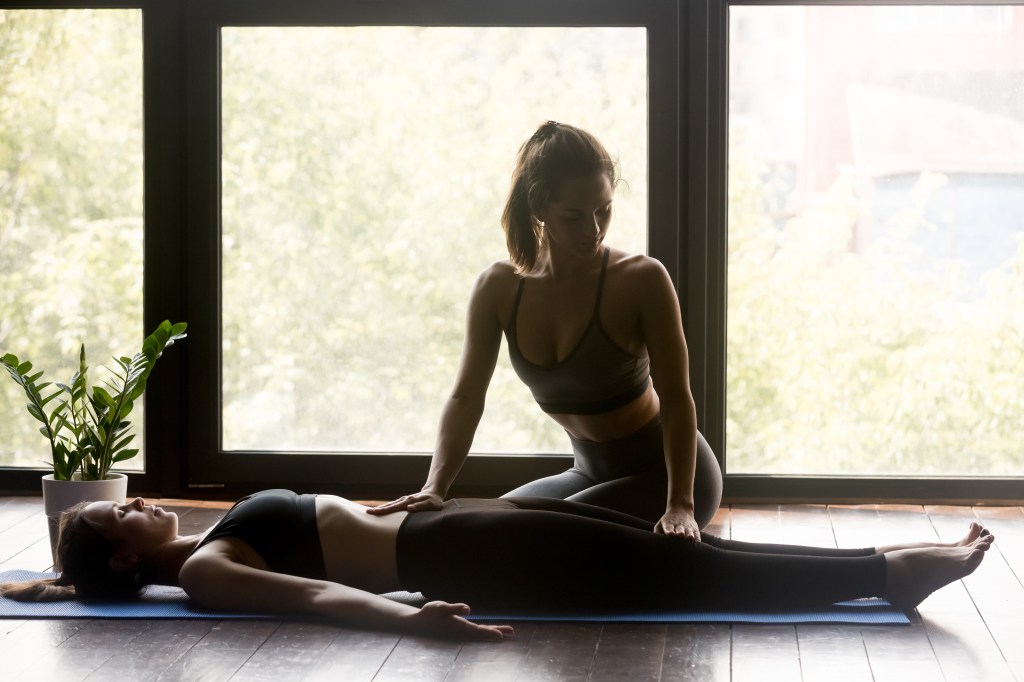
    • Check-in before movement: Activate TA and pelvic floor. Breathe
    • Maintain engagement during transitions: Stability matters between exercises and before you start each exercise.
    • Release when appropriate: Avoid constant gripping; teach dynamic control. Consider at least a minute at the end of class in Savasana.

    Want to deepen your understanding of Pilates fundamentals? Stay tuned for Part 5: Alignment and Posture: Key Principles for Safe and Effective Movement next week!

    Pilates Teacher Training

  • Spinal Mobility in Pilates: Why It Matters and How to Teach It

    Part 3 of the Pilates Essentials Series

    Learn why spinal mobility is essential in Pilates. Discover safe techniques, teaching tips, and warm-up exercises to improve movement quality and reduce back pain.

    Spinal mobility is one of the most important — and most misunderstood — components of Pilates. Whether you’re teaching beginners, seniors, or advanced movers, the spine is the central axis of every exercise. When it moves well, the whole body moves well. When it doesn’t, everything else compensates.

    In my assessments for my teacher training courses, I often see two extremes:

    • Teachers who avoid spinal movement altogether out of fear of “doing it wrong or causing injury”, favouring instead core strength and stability. Pilates is about so much more than just the core.
    • Teachers who dive straight into deep flexion or extension without preparing the body – rolling down from standing at the very beginning of class, for example.

    Both approaches miss the essence of Pilates: mindful, progressive, functional movement that supports the spine rather than stresses it.

    This post will help you understand spinal mobility more deeply and teach it with clarity, confidence, and safety.

    Why Spinal Mobility Matters

    1. A Mobile Spine Is a Healthy Spine

    The spine is designed to move in multiple directions — flexion, extension, rotation, and lateral flexion. When we stop moving it, stiffness sets in, posture declines, and compensations appear in the hips, shoulders, and neck.

    Pilates restores natural movement patterns, helping clients feel lighter, freer, and more aligned.

    2. Spinal Mobility Reduces Back Pain

    Many people experience back pain not because their spine moves too much, but because it doesn’t move enough. Gentle, controlled mobility work:

    • Hydrates the discs
    • Improves circulation
    • Releases muscular tension
    • Encourages balanced movement – and we are made to move

    For seniors, this is especially important as mobility naturally declines with age.

    3. Mobility Improves Core Activation

    A spine that moves well allows the deep core muscles to activate more effectively. When the spine is rigid, clients often grip, brace, or overuse superficial muscles.

    Mobility creates space for the core to do its job.

    4. Mobility Enhances Movement Quality

    Pilates is built on flow, articulation, and control. Spinal mobility improves:

    • Coordination
    • Balance
    • Breath integration
    • Movement efficiency

    It’s the difference between “doing exercises” and moving with intelligence.

    Understanding the Four Directions of Spinal Movement

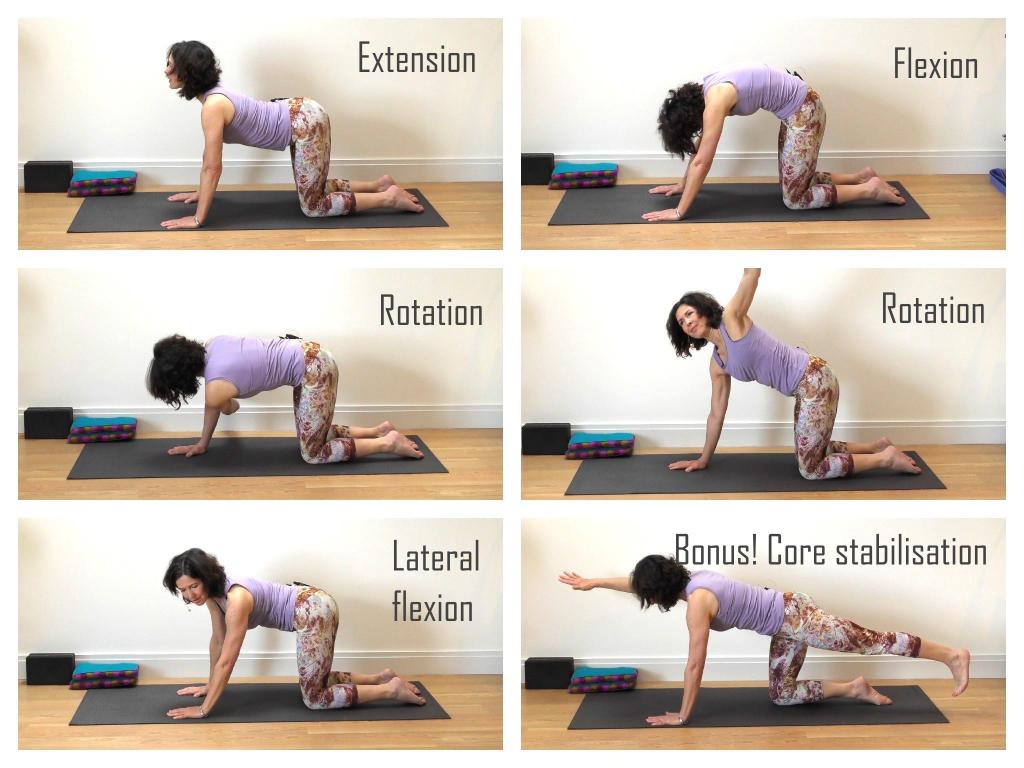
    1. Flexion

    Forward bending of the spine.
    Used in: Roll Up, Roll Over, Spine Stretch
    Benefits: Lengthens the back body, articulates the spine, strengthens abdominals
    Caution: Avoid deep flexion for clients with disc issues or osteoporosis. Always take a medical history.

    2. Extension

    Backward bending of the spine.
    Used in: Swan, Single Leg Kicks, Swimming.
    Benefits: Strengthens the posterior chain, improves posture and quality of breathing
    Caution: Avoid forcing extension; focus on length, not compression.

    3. Rotation

    Twisting through the spine.
    Used in: Spine Twist, Saw, Criss-Cross.
    Benefits: Improves oblique strength, rib mobility, efficient breathing and gait mechanics.
    Caution: Keep rotation gentle for clients with spinal stenosis, osteoporosis or arthritis.

    4. Lateral Flexion

    Side bending of the spine.
    Used in: Mermaid, Side Bend.
    Benefits: Improves rib and spine mobility, hip function, and balance.
    Caution: Avoid collapsing into the waist; think of lengthening up and over.

    How to Teach Spinal Mobility Safely

    1. Start With Breath

    Breath prepares the spine for movement.

    • Inhale to lengthen or extend
    • Exhale to mobilise or flex

    This creates space and support.

    2. Use Progressive Layers

    Start small, then build:

    • Pelvic tilts → Articulated bridge
    • Seated rotation → Saw
    • Cat/Cow → Swan prep

    This approach is especially important for seniors or beginners.

    3. Cue Length, Not Depth

    Encourage clients to imagine:

    • “Growing taller as you move”
    • “Creating space between each vertebra”
    • “Moving like a wave, not a hinge”

    This reduces compression and encourages articulation.

    4. Respect Individual Differences

    Not all spines move the same way.

    • Some clients are hypermobile
    • Some are stiff
    • Some have structural limitations

    Your job is to guide, not force.

    Warm-Up Exercises for Spinal Mobility

    These are perfect at the start of class.

    1. Cat/Cow (any position)

    Mobilises the entire spine with breath.
    Great for: all levels, seniors, back pain.

    2. Pelvic Tilts

    Gentle articulation of the lumbar spine.
    Great for: core activation, finding neutral, preparing for larger ROM

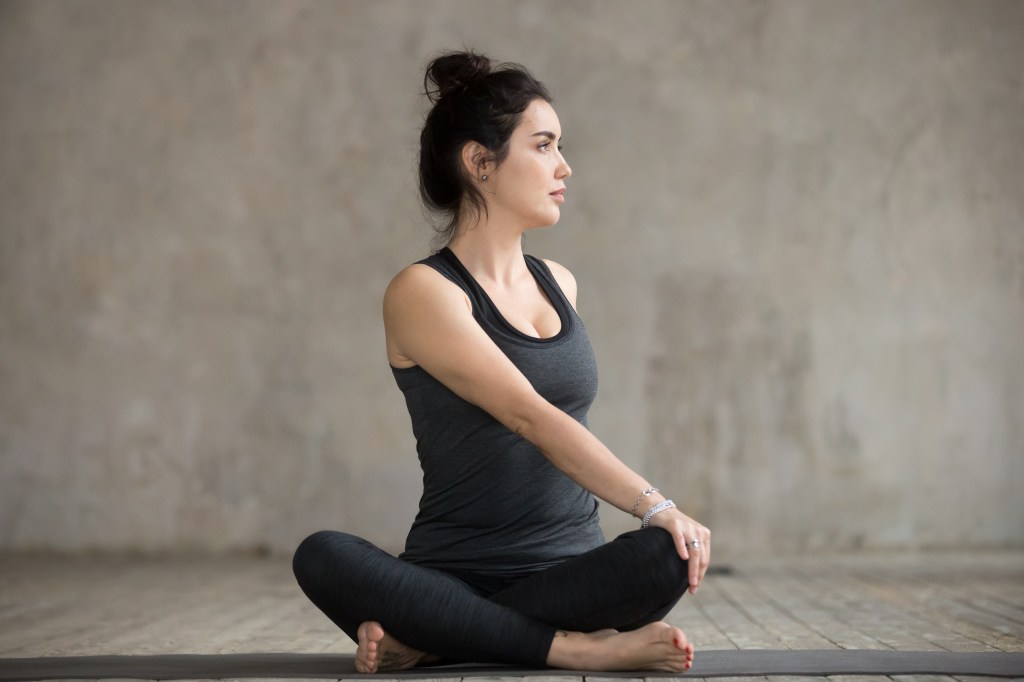
    3. Seated Spine Rotation

    Encourages rib mobility and oblique activation.
    Great for: beginners, seniors, desk workers.

    4. Mermaid Stretch

    Improves lateral flexion and rib expansion.
    Great for: shoulder release, breathwork integration.

    5. Standing Roll Downs (with preparation)

    Only after breathwork, gentle spine mobility and core activation.
    Great for: hamstring length, spinal articulation, core control.
    Caution: avoid for clients with osteoporosis or disc issues.

    Common Mistakes in Spinal Mobility Work

    ❌ Forcing range of motion

    Fix: Focus on ease, not depth.

    ❌ Moving too quickly

    Fix: Slow, controlled articulation.

    ❌ Over-cueing

    Fix: Use simple, sensory cues.

    ❌ Ignoring breath

    Fix: Pair every movement with inhale/exhale patterns.

    ❌ Not offering regressions

    Fix: Provide options for every spine.

    Case Study: The Power of Gentle Mobility

    One of my senior clients arrived with chronic stiffness, back pain and fear of movement. We began with breath-led pelvic tilts, seated rotation, and supported lateral flexion. Within weeks, she reported:

    • Less morning stiffness
    • Better balance
    • More confidence in daily movement
    • Reduced pain

    Her words: “I feel like my spine has woken up again.”
    This is the magic of mindful mobility.

    Key Takeaway

    Spinal mobility is not about bending further — it’s about moving better. When taught with breath, clarity, and respect for individual bodies, it transforms posture, reduces pain, and enhances every Pilates exercise that follows.

    Teach it slowly. Teach it mindfully. And your clients will feel the difference in every part of their practice.

    If you missed my post on the importance of a warmup, this is a good opportunity to read now.

    Learning or Teaching Pilates is about so much more than movement instructions. I can help you get the most out of this amazing practice.

    #Pilates #mobility #spinehealth #posture #movement

  • The Power of Breathwork in Pilates: How to Cue, Teach, and Apply Lateral Breathing

    Part 2 of the Pilates Essentials Series

    Discover why breathwork is essential in Pilates. Learn how to teach lateral breathing, improve core activation, and enhance movement quality.

    Breath is one of the most misunderstood — and most transformative — elements of Pilates. While many clients arrive thinking Pilates is “all about the core,” they quickly discover that breath is the gateway to core activation, spinal support, and mindful movement.

    As teachers, we know that breathwork isn’t just a warm-up component. It’s a foundational skill that shapes the entire practice. Yet in assessments and classes, I often see breath either rushed, skipped, or taught in a way that confuses rather than empowers.

    This guide will help you teach breathwork with clarity, confidence, and purpose — whether your students are beginners, seniors, or advanced movers. Breathwork is an essential part of any warm up and preparation for a Pilates class.

    Why Breathwork Matters in Pilates

    1. Breath Supports Core Activation

    Pilates uses lateral thoracic breathing, which encourages expansion of the ribcage while maintaining gentle engagement of the deep core muscles. This allows the transversus abdominis to stay active without gripping or bracing.

    When breath and core work together, clients experience:

    • Better spinal support
    • Reduced lower back tension
    • Improved stability during movement
    • A sense of ease rather than strain

    For seniors or those with back pain, this is especially important.

    2. Breath Enhances Movement Quality

    Breath creates rhythm, flow, and control. When clients breathe well, their movements become:

    • Smoother
    • More coordinated
    • More efficient
    • Less strained

    Breath is the thread that ties the entire class together.

    3. Breath Regulates the Nervous System

    A mindful breathing practice helps clients shift from tension to ease. This is vital for:

    • Reducing anxiety
    • Improving focus
    • Enhancing body awareness
    • Supporting trauma‑informed teaching

    A calm nervous system allows for better learning and safer movement.

    4. Breath Improves Oxygenation and Performance

    Breathing deeply increases oxygen delivery to muscles, improving endurance and reducing fatigue. This is why breathwork is not just a warm-up — it’s a performance enhancer.

    Understanding Lateral Thoracic Breathing

    Lateral breathing encourages the ribcage to expand outwards and backwards, rather than lifting the chest or pushing the belly out.

    Key characteristics:

    • The ribcage widens like an accordion
    • The sternum stays soft
    • The shoulders remain relaxed
    • The abdominal wall stays gently engaged
    • The breath is smooth and continuous

    This breathing pattern supports the spine and prepares the body for controlled movement.

    How to Teach Breathwork Effectively

    1. Start With Awareness

    ALWAYS start with deep diaphragmatic breathing. Clients need to be breathing efficiently and be able to feel the natural core contraction on the exhalation in order to replicate it voluntarily.

    Then invite clients to place their hands on the sides of their ribcage. Ask them to feel the ribs expand into their hands as they inhale, and soften as they exhale.

    This tactile feedback is invaluable.

    2. Use Clear, Simple Cues

    Avoid over‑explaining. Instead, try cues like:

    • “Breathe wide into the sides of your ribs.”
    • “Let your breath expand your ribcage like wings.”
    • “Soften your chest and let the breath move sideways.”
    • “Exhale and gently draw the lower ribs together.”

    These cues encourage natural movement without forcing.

    3. Pair Breath With Movement

    Breath should support the movement, not distract from it. For example:

    • Inhale to prepare or lengthen
    • Exhale to engage, stabilise, or flex

    This pattern helps clients feel grounded and supported.

    4. Offer Variations for Different Populations

    For seniors:

    • Keep cues slow and simple
    • Avoid breath-holding
    • Encourage gentle rib expansion

    For beginners:

    • Use tactile cues
    • Keep the breath natural
    • Avoid over-correcting

    For advanced clients:

    • Explore breath patterns that enhance flow
    • Use breath to deepen spinal articulation
    • Introduce breath‑initiated movement

    Breathwork Warm-Up Exercises

    Here are simple breath-focused warm-up drills you can use at the start of any class:

    1. Supine Rib Expansion

    • Knees bent, hands on ribcage
    • Inhale wide, exhale soften
    • Focus on releasing chest tension

    2. Seated Breath and Spine Mobilisation

    • Inhale to lengthen the spine
    • Exhale to gently flex or rotate
    • Perfect for seniors or those with limited mobility

    3. Arm Sweeps With Breath

    • Inhale arms overhead
    • Exhale arms lower
    • Encourages coordination and shoulder mobility

    Common Breathwork Mistakes (and How to Fix Them)

    1. Over‑breathing or forcing expansion

    Fix: Encourage soft, natural breath. No pushing.

    2. Lifting the chest instead of widening the ribs

    Fix: “Keep the sternum soft.”

    3. Gripping the abdominals

    Fix: “Let the belly soften on the inhale.”

    4. Breath-holding during effort

    Fix: “Keep the breath flowing like a wave.”

    5. Over-cueing

    Fix: Use fewer words. Let clients feel, not think.

    Case Study: Breathwork Transforming Movement

    One of my clients struggled with neck tension during core work, even with the upper body down. After teaching her to soften the chest on the inhale, actively release stress and work within her ability level, her neck tension reduced dramatically. Clients often believe that the harder they work, the quicker results, but this simply isn’t true.

    She reported feeling “lighter, stronger, and more connected” — all from focussing on keeping her breath controlled and flowing.

    This is the power of breathwork.

    Key Takeaway

    Breathwork is not an add‑on — it’s the foundation of Pilates. When taught well, it enhances core activation, improves movement quality, supports the nervous system, and deepens the mind‑body connection.

    Teach breath with clarity and intention, and your clients will feel the difference in every movement.

    Learn how to teach Classical Mat Pilates with attention to the fundamental essentials on my Pilates Teacher Training Course.

    #pilates #pilatesbreathing #thoracicbreathing #lateralbreathing

  • The Importance of a Warm-Up in Pilates

    Yes, even in Pilates classes

    Discover why warming up before Pilates is essential for injury prevention, better performance, and a mindful practice.

    Why Warming Up Is Non-Negotiable

    As a Pilates educator, I’m often surprised at the lack of an appropriate warm-up in assessments and classes. On my Pilates Teacher Training Course, I emphasise warm-ups with examples, and every class I teach begins with one. Yet many students report attending sessions where teachers skip this vital step.

    A warm-up is not optional. It’s a fundamental element of all fitness classes, regardless of level or intensity. Beyond injury prevention, it prepares the body and mind for effective movement, enhances performance, and supports long-term wellbeing.

    The Science Behind Warming Up

    Blood Flow and Muscle Elasticity

    Warm muscles are more pliable and elastic. A cold start increases the risk of strain, particularly in the lower back and hamstrings, which are vulnerable areas for many clients.

    Joint Lubrication

    Warm-ups stimulate synovial fluid production, lubricating the joints and allowing smoother, safer movement. This is especially important in Pilates, where joint mobility underpins every exercise.

    Nervous System Activation

    Gentle preparatory movements awaken the nervous system, improving coordination, balance, and mind-body connection. This primes students for the precision and control that Pilates demands.

    Breath and Core Engagement

    Pilates is unique in its emphasis on breath and core activation. A warm-up ensures the deep stabilising muscles are switched on, supporting the spine and protecting against injury.

    The Safest Approach to a Pilates Warm-Up

    A Pilates warm-up should generally include:

    • Breathing exercises to activate the core and establish rhythm.
    • Shoulder mobility to release neck tension and prepare for arm work.
    • Gentle pelvic tilts to articulate the lumbar spine, engage abdominals, and find neutral alignment.
    • Spinal movements in all directions — flexion, extension, rotation, and lateral flexion — to mobilise safely.

    Think of the warm-up as a miniature version of the class: simplified movements, limited range of motion, and positions that avoid stress on the spine.

    Practical Warm-Up Exercises for Pilates

    • Arm sweeps with breath: Inhale as arms lift overhead (standing or supine), exhale as they lower.
    • Cat/Cow variations: Mobilise the spine in box, supine, or standing with support.
    • Windshield Wipers: Gentle spinal rotation and hip mobility.
    • Side bends: Standing with hand support on hip or thigh.
    • Coordination drills: Soldier or Windmill arms; add knee lifts for balance and control.

    These simple movements build awareness, circulation, and mobility before progressing into more demanding exercises.

    The Complete Mat Sequence and Warm-Up Integration

    Even when teaching the original Pilates sequence, I often add brief warm-up exercises depending on class experience. Advanced groups may move straight into the Hundred, but it must always be performed at a level that allows freedom of breath.

    When taught together with the other four classical warm-up exercises, you cover virtually every movement pattern needed for the rest of the class. This ensures students are prepared both physically and mentally.

    The Roll Down: A Word of Caution

    The Roll Down often appears at the start of warm-ups without preparation, which I strongly advise against. At minimum:

    • Take deep breaths.
    • Activate the core to support spinal flexion.
    • Offer bent knees and hand support.
    • Be mindful of back issues and tight hamstrings.

    While the Roll Down can help lengthen hamstrings, an over-zealous approach risks undue stress on the spine. Always prioritise safety and mindful progression.

    Common Mistakes in Pilates Warm-Ups

    • Skipping breathwork: Breath is central to Pilates; neglecting it undermines the practice.
    • Rushing through mobility: Warm-ups should be slow and controlled, not hurried.
    • Ignoring individual needs: Students with back issues, tight hamstrings, or limited mobility require tailored modifications.
    • Treating warm-up as optional: It’s not a “nice-to-have” — it’s essential.

    FAQs: Pilates Warm-Ups

    Do I need to warm up for a short Pilates session?
    Yes. Even a 20-minute class benefits from a few minutes of breathwork and mobility.

    What’s the difference between a Pilates warm-up and a gym warm-up?
    Gym warm-ups often focus on cardiovascular activity. Pilates warm-ups emphasise breath, spinal mobility, and core activation. But the main point here is that the warmup prepares the class for what’s to come, so warmups will always be different depending on the genre and content.

    Can advanced students skip the warm-up?
    No. Advanced students may move more quickly into classical exercises, but preparation is still essential.

    How long should a Pilates warm-up last?
    Typically 5–10 minutes, depending on class length and intensity.

    Key Takeaway

    A Pilates warm-up is not just preparation — it’s the foundation of safe, effective practice. By mobilising joints, activating muscles, and connecting breath with movement, you set the tone for a mindful, injury-free class.

    Think of warming up as an investment: it enhances performance, prevents injury, and deepens the Pilates experience.

    #pilates #warmup #injuryprevention #classpreparation #mindbody

  • The Science Behind Pilates: Why It Works Better Than Other Workouts

    Discover the science of Pilates—neuroplasticity, core strength, and joint health—why it outperforms traditional workouts for longevity and wellness.

    Introduction

    Pilates has often been described as mindful movement, but its benefits go far beyond flexibility and core strength. Backed by neuroscience, biomechanics, and somatic awareness, Pilates offers a unique blend of physical conditioning and nervous system regulation. In this post, we’ll explore why Pilates works better than other workouts, how it rewires the brain through neuroplasticity, and why it’s one of the most effective practices for longevity, injury prevention, and holistic health.

    1. Pilates and the Brain: Neuroplasticity in Action

    Unlike repetitive gym routines, Pilates emphasizes precision, control, and mindful awareness. This activates the brain’s neuroplasticity—the ability to form new neural connections.

    • Mind‑body connection: Each exercise requires conscious engagement of stabilizing muscles, improving motor control.
    • Cognitive health: Research shows mindful movement reduces stress, enhances memory, and supports emotional regulation.
    • Somatic awareness: By focusing on breath and alignment, Pilates helps retrain the nervous system to release tension and improve posture.

    2. Biomechanics: Why Pilates Protects Your Joints

    Traditional workouts often emphasise load and repetition, which can strain joints. Pilates, however, is designed around functional biomechanics.

    • Low‑impact conditioning: Movements strengthen without compressing joints.
    • Balanced muscle recruitment: Pilates avoids overtraining dominant muscles, reducing risk of injury.
    • Spinal health: Exercises like the One Leg Circle and Spine Stretch improve mobility while stabilising the pelvis and lumbar spine.

    3. Core Strength: More Than Just Abs

    Pilates is famous for building a strong core, but “core” in Pilates means the entire powerhouse—abdominals, pelvic floor, diaphragm, and deep spinal stabilisers.

    • Dynamic stability: A strong core supports every movement, from walking to lifting.
    • Pelvic floor health: Essential for postpartum recovery and senior fitness.
    • Breath integration: Pilates breathing techniques enhance oxygenation and core activation simultaneously.

    4. Somatic Movement: Healing Through Awareness

    Pilates overlaps with somatic practices, which emphasise internal perception over external performance.

    • Trauma‑informed approach: Gentle, mindful movement helps regulate the vagus nerve, reducing stress and anxiety.
    • Pain relief: Somatic awareness retrains the body to move without compensations, easing chronic pain.
    • Holistic back care: Pilates combined with somatic release techniques supports long‑term spinal health.

    5. Pilates vs Other Workouts: The Key Differences

    Why does Pilates often outperform other fitness methods?

    • Focus: Mind‑body connection, precision vs repetition, load, intensity
    • Impact: Low‑impact, joint‑friendly vs high‑impact, risk of strain
    • Core training: Deep stabilisers, breath vs superficial abs
    • Longevity: Sustainable across lifespan vs often unsustainable with age
    • Neuroplasticity: Actively rewires brain vs limited cognitive engagement

    6. Pilates for Seniors and Longevity

    Pilates is one of the few workouts that adapts seamlessly across age groups.

    • Senior fitness: Builds balance, coordination, and bone density.
    • Fall prevention: Strengthens stabilisers and improves proprioception.
    • Lifelong adaptability: Exercises can be modified for every stage of life.

    7. The Science of Breath and the Vagus Nerve

    Breathwork in Pilates isn’t just about oxygen—it’s about nervous system regulation.

    • Vagus nerve activation: Deep diaphragmatic breathing calms the nervous system.
    • Stress reduction: Pilates breathing lowers cortisol and promotes relaxation.
    • Performance enhancement: Efficient breathing improves endurance and focus.

    Conclusion: Why Pilates Works Better

    Pilates is more than exercise—it’s a scientifically grounded system that integrates biomechanics, neuroplasticity, and somatic awareness. Unlike traditional workouts, it builds strength while protecting joints, rewires the brain for better movement, and supports emotional resilience.

    For anyone seeking longevity, injury prevention, and holistic health, Pilates isn’t just another workout—it’s the smarter choice.

    #PilatesBenefits #SomaticMovement #PilatesSeniors #CoreStrength

  • Pilates One Leg Circle: Unlocking Hip Health and Mobility

    Introduction: Why Hip Health Matters

    The hips are the body’s powerhouse. They connect the upper and lower body, stabilise the pelvis, and support nearly every movement we make — from walking and running to sitting and standing. Yet, modern lifestyles often leave hips tight, weak, or imbalanced. Hours of sitting, repetitive movement patterns, and lack of mobility training can contribute to stiffness, discomfort, and even chronic pain, often leading to hip replacements which run into millions worldwide each year.

    Pilates offers a solution. Among its repertoire of mat exercises, the One Leg Circle stands out as a deceptively simple yet profoundly effective movement for hip health. Often misunderstood and under-rated, this classic exercise not only strengthens and mobilizes the hip joint but also integrates core stability, balance, and neuromuscular control.

    In this blog post, we’ll explore:

    • The importance of hip mobility and stability
    • How the One Leg Circle supports hip health
    • Step‑by‑step guidance on performing the exercise
    • The deeper somatic and neuroplastic benefits
    • Practical tips for integrating it into your routine

    The Role of Hip Mobility in Whole‑Body Wellness

    Healthy hips are both mobile and stable. Mobility allows the joint to move freely through its range of motion, while stability ensures control and protection. When either is compromised, compensations occur elsewhere in the body — often in the lower back, knees, or even shoulders.

    Key Benefits of Hip Mobility:

    • Improved posture: Free hips reduce strain on the spine.
    • Enhanced athletic performance: Mobility supports efficient running, dancing, and sports.
    • Reduced injury risk: Balanced hips prevent overuse injuries in surrounding joints.
    • Better circulation and energy flow: Movement through the pelvis supports lymphatic and nervous system health.

    Pilates emphasises this balance, teaching practitioners to move with awareness and precision. The One Leg Circle embodies these principles perfectly.

    The Pilates One Leg Circle: Purpose and Principles

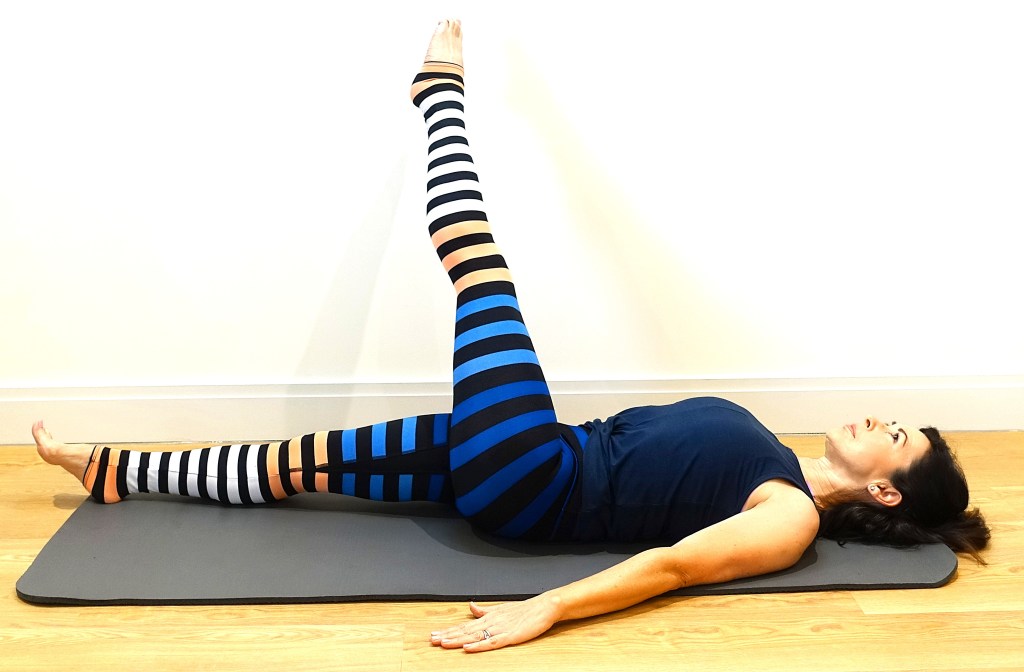
    The One Leg Circle is a foundational mat exercise (part of the classical warm up) performed lying supine, with one leg extended on the mat and the other lifted toward the ceiling. The lifted leg traces a controlled circular path, challenging the hips, abdominals, and stabilisers.

    Purpose of the Exercise:

    • Hip joint mobilisation: Encourages smooth movement in multiple planes.
    • Pelvic stability: Trains the core to anchor the pelvis while the leg moves.
    • Neuromuscular coordination: Integrates breath, awareness, and precise control.
    • Symmetry and balance: Highlights imbalances between left and right sides.
    • Thoracic Spine Mobility: the advanced version adds a spine twist

    Why It’s Effective:

    The One Leg Circle isolates hip movement while demanding stability from the rest of the body. This dual challenge — mobility plus stability — makes it a cornerstone for both rehabilitation and performance training.

    Step‑by‑Step Guide to the One Leg Circle

    1. Starting Position:
      • Lie on your back with arms by your sides.
      • Extend one leg along the mat, toes pointing forward.
      • Lift the opposite leg toward the ceiling, keeping it straight if hamstrings allow.
    2. Engage the Core:
      • Draw the abdominals back, engaging the core muscles to stabilise the pelvis.
    3. Circle the Leg:
      • Inhale to prepare.
      • Exhale as the lifted leg crosses the midline, sweeps down; as it circles back to the starting position, inhale in preparation.
      • Keep the movement smooth and controlled, tracing a small to medium circle, increasing range as stability is mastered.
    4. Repeat:
    • Perform 3 to 5 circles in each direction.
    • Switch legs and repeat.

    Technique Tips:

    • Keep the pelvis stable — avoid rocking side to side. Use your arms if necessary when you’re learning.
    • Start with smaller circles, gradually increasing range as control improves.
    • Focus on breath: inhale to prepare, exhale through the circle.
    • Imagine drawing the circle from the hip joint, not the foot.

    Benefits of the One Leg Circle for Hip Health

    1. Mobility and Range of Motion

    The circular pathway moves the hip through flexion, extension, abduction, and adduction. This multidirectional movement nourishes the joint, lubricates connective tissue, and maintains functional range.

    2. Strength and Stability

    While the moving leg mobilises, the supporting leg and core stabilise. This dual action strengthens deep stabilizers, including the transverse abdominis and pelvic floor, creating resilience against injury.

    3. Balance and Symmetry

    By isolating each leg, the exercise reveals asymmetries. Practitioners often notice one hip feels freer or stronger. Addressing these differences builds balanced strength and mobility.

    4. Neuromuscular Re‑education

    The One Leg Circle requires mindful control. This conscious movement enhances neuromuscular pathways, supporting neuroplasticity — the brain’s ability to adapt and rewire. Over time, this improves coordination and movement efficiency.

    5. Somatic Awareness

    Pilates emphasises internal awareness. As you circle the leg, you notice subtle shifts in the pelvis, breath, and tension. This somatic focus helps release unnecessary holding patterns, fostering relaxation and ease.

    Hip Health Beyond the Mat

    The benefits of the One Leg Circle extend into daily life:

    • Walking and running: Freer hips improve stride length and efficiency.
    • Sitting and standing: Strong stabilisers reduce lower back strain.
    • Sports and dance: Enhanced mobility supports dynamic movement.
    • Aging gracefully: Maintaining hip mobility reduces fall risk and supports independence.

    For postpartum recovery, back care, or athletic conditioning, this exercise adapts beautifully. It can be modified with bent knees, smaller circles, or props like a resistance band. It can also be progressed by adding the spine twist.

    Common Mistakes and How to Avoid Them

    • Pelvis rocking: Anchor the core to prevent compensations.
    • Overly large circles: Start small – bigger isn’t better if control is lost.
    • Locked knee: Keep the leg straight if hamstrings allow but not rigid.
    • Holding breath: Use breath to guide rhythm and release tension.

    Correcting these mistakes ensures the exercise delivers maximum benefit without strain.

    Integrating the One Leg Circle into Your Practice

    • Warm‑up: Use it early in a session to mobilize hips – it’s number 4 in the classical sequence.
    • Rehabilitation: Ideal for gentle re‑education after injury.
    • Progression: Pair with exercises like the Shoulder Bridge or Side Kick for comprehensive hip training.
    • Mindfulness: Treat it as a meditation in motion, focusing on sensation and control.

    Conclusion: Circling Towards Health

    The Pilates One Leg Circle is more than a leg or core exercise — it’s a gateway to hip health, mobility, and whole‑body integration. By combining mobility with stability, awareness with control, it embodies the essence of Pilates: mindful movement that transforms both body and mind.

    Whether you’re a beginner seeking freedom from stiffness, an athlete aiming for performance, or a wellness enthusiast exploring somatic practices, this exercise offers profound benefits. Add it to your routine, and let your hips move with strength, grace, and ease.

    #Pilates #hipmobility #corestability #corestrength #painrelief #hiphealth #somatichealing

  • Pilates, Somatic Movement & Neuroplasticity Rewire Your Body and Mind

    Discover how Pilates and somatic movement harness neuroplasticity to reduce pain, improve posture, and rewire the nervous system. Taking a somatic approach to Pilates aids healing, builds resilience, and improves brain health.

    Introduction: Movement as Medicine

    About 20 years ago I watched a video exploring how thoughts and actions create neural pathways and how we can build new, more positive, beneficial pathways by changing the way we think and move. Pilates is often celebrated for its physical benefits — core strength, posture, flexibility — but I have come to value its deeper impact which lies in how it reshapes the brain. Through somatic movement practices and the science of neuroplasticity, Pilates becomes more than exercise: it becomes a tool for rewiring the nervous system, reducing chronic pain, enhancing emotional resilience and improving cognitive health.

    This blog post explores how Pilates and somatic movement foster neuroplasticity, why mindful movement matters, and how you can harness these principles for healing and growth.

    What Is Neuroplasticity?

    Neuroplasticity is the brain’s ability to adapt, reorganize, and form new neural connections throughout life. It underpins learning, recovery from injury, and emotional regulation.

    Two key processes:

    • Structural plasticity: Growth of new neurons and synapses.
    • Functional plasticity: Shifting functions from damaged areas to healthy ones.

    Pilates, with its emphasis on precision, breath, and mindful repetition, directly stimulates these processes by engaging motor learning, coordination, and awareness.

    Somatic Movement: Awareness from the Inside Out

    Somatic movement focuses on felt experience rather than external performance. It retrains the nervous system to release tension and restore efficient movement patterns.

    Core principles of somatic movement:

    • Awareness of sensation
    • Slow, mindful repetition
    • Releasing habitual tension
    • Re‑educating posture and alignment

    Methods like Thomas Hanna’s Somatics, Feldenkrais and the Alexander Technique all influence Pilates by emphasizing internal awareness and nervous system regulation.

    Pilates Meets Neuroplasticity

    Pilates is uniquely positioned to foster neuroplasticity:

    • Motor learning: Each new exercise challenges coordination, sparking new neural pathways.
    • Mind‑body connection: Breathwork and focus stimulate the vagus nerve, supporting parasympathetic regulation.
    • Stress reduction: Chronic stress blocks neuroplasticity; Pilates lowers stress through mindful movement.
    • Synaptic growth: Controlled spinal articulation and balance exercises stimulate synaptogenesis.

    The Role of Fascia and Nervous System Regulation

    Fascia — the connective tissue web — is highly sensory. Pilates and somatic practices enhance fascial glide, improving proprioception and communication between body and brain.

    By integrating fascia release with mindful movement, practitioners experience:

    • Reduced chronic pain
    • Improved posture and balance
    • Enhanced nervous system regulation

    Practical Applications

    🔹 For Rehabilitation

    Pilates supports recovery from injury by teaching the brain new movement strategies, improving posture and shifting function to healthy neural circuits.

    🔹 For Postpartum Healing

    Somatic Pilates retrains pelvic floor and core muscles while calming the nervous system, crucial for mothers experiencing pelvic girdle pain or postnatal anxiety.

    🔹 For Stress and Trauma

    Trauma‑informed Pilates uses gentle, breath‑led movement to regulate the nervous system, fostering safety and resilience.

    🔹 For Cognitive Health

    Regular Pilates practice enhances memory, focus, and mental clarity by stimulating neuroplasticity.

    How to Practice for Neuroplasticity

    • Novelty: Introduce new exercises, props or variations regularly.
    • Mindfulness: Focus on sensation – how does it feel – rather than performance.
    • Breathwork: Use diaphragmatic breathing to access parasympathetic states.
    • Consistency: Repetition strengthens neural pathways.
    • Slow Movement: Slow, controlled exercises deepen awareness and retrain patterns. Slow it down!

    Final Thoughts

    Pilates and somatic movement are not just physical practices — they are neurological training systems. By harnessing neuroplasticity, practitioners can rewire movement patterns, reduce pain, and cultivate resilience.

    For wellness educators, integrating these principles into classes offers clients a holistic path to healing: body, brain, and nervous system working in harmony.

    Try some short classes and step into an oasis of calm!

    I offer training in Pilates, somatic movement and myofascial release for teachers and practitioners. If you would like to learn more, click on the links in the Services page.

    #pilates #neuroplasticity #somatichealing #cognitivehealth #painrelief #stressrelief

  • Pilates & the Vagus Nerve: Nervous System Regulation & Emotional Resilience

    Discover how a somatic approach to Pilates stimulates the vagus nerve to reduce stress, improve digestion, and build resilience through mindful movement and somatic awareness.

    Introduction: Why the Vagus Nerve Matters

    The vagus nerve is the body’s longest cranial nerve, running from the brainstem through the heart, lungs, diaphragm, and digestive system. It is the primary communicator of the parasympathetic nervous system — the “rest and digest” branch that calms stress and restores balance.

    Pilates, with its emphasis on breath, alignment and mindful movement, is uniquely positioned to stimulate the vagus nerve. This connection transforms Pilates from just a physical workout into a practice of nervous system regulation, emotional resilience and holistic healing.

    The Vagus Nerve and Polyvagal Theory

    Psychologist Stephen Porges’ Polyvagal Theory explains how the vagus nerve influences our responses to safety, stress and connection.

    • Dorsal Vagal (Immobilisation): Freeze or shutdown response.
    • Sympathetic (Mobilisation): Fight‑or‑flight activation.
    • Ventral Vagal (Social Engagement): Calm, connected state of regulation.

    Pilates helps us move from stress or shutdown into ventral vagal activation, fostering safety, connection and resilience.

    How Pilates Stimulates the Vagus Nerve

    1. Breathwork: Deep diaphragmatic breathing in Pilates activates vagal tone, lowering heart rate and calming stress. It’s the perfect way to start a class, connect body and mind and restore a sense of peace and tranquillity.
    2. Somatic Awareness: Mindful focus on sensation enhances vagal feedback, improving emotional regulation.
    3. Gentle Movement: Controlled spinal articulation and fascial release stimulate vagus nerve pathways.
    4. Safety and Connection: Pilates can create environments that support ventral vagal activation.

    Benefits of Pilates for Vagus Nerve Activation

    🔹 Emotional Regulation

    • Reduces anxiety and stress
    • Builds resilience to daily challenges
    • Enhances emotional intelligence

    🔹 Physical Health

    • Improves digestion and gut health
    • Reduces inflammation
    • Supports cardiovascular regulation

    🔹 Cognitive Health

    • Enhances focus and memory
    • Improves adaptability and neuroplasticity
    • Reduces cognitive fatigue

    🔹 Trauma Recovery

    • Creates safety through gentle movement
    • Restores nervous system balance
    • Builds trust in body and mind

    Practical Pilates Strategies for Vagus Nerve Stimulation

    1. Breath‑Led Pelvic Tilt

    • Focus: Diaphragm, pelvic floor, vagus nerve activation
    • Benefit: Calms stress, retrains core stability

    2. Roll Down

    • Focus: Spinal articulation, fascia release
    • Benefit: Stimulates vagal pathways, reduces tension

    3. Shoulder Bridge

    • Focus: Glutes, pelvic floor, breath and stability
    • Benefit: Grounds the body, fosters emotional stability

    4. Flexion/Extension

    • Focus: Spinal mobility, breath integration
    • Benefit: Restores fluidity, reduces anxiety

    Spine twists are also excellent for stimulating the vagus nerve, either the traditional seated spine twist of in supine. Add slow horizontal eye movements to a seated spine twist (as practiced in a somatic movement class) will promote relaxation and reduce stress.

    Example: Pilates for Stress Relief

    If you’re experiencing chronic stress, you’ll notice symptoms such as shallow breathing and tight shoulders. Practice the following Pilates exercises and over weeks, vagal tone improves, stress decreases and resilience grows:

    • Breath‑led pelvic tilts retrain diaphragmatic breathing and natural core activation.
    • Somatic roll downs release spinal tension.
    • Shoulder Bridge fosters grounding and safety.

    Fascia, Somatic Movement and the Vagus Nerve

    Fascia is richly innervated and communicates directly with the nervous system. Pilates movements that emphasise lengthening, spiraling and hydration enhance fascial health, improving vagal feedback and proprioception.

    Somatic awareness deepens this connection, teaching clients to sense safety and release tension patterns.

    Final Thoughts

    Pilates is more than exercise — it is a neurological training system. By stimulating the vagus nerve through breath, somatic awareness and mindful movement, Pilates fosters:

    • Emotional regulation
    • Physical healing
    • Cognitive resilience
    • Trauma recovery

    For wellness practitioners and clients alike, understanding the vagus nerve unlocks Pilates’ full potential as a practice of calm, connection, and holistic vitality.

    #PilatesForNervousSystemRegulation #PilatesForAnxiety #PilatesForStressRelief #PilatesForResilience #PilatesForHealing #MindBodyConnection #SomaticHealing #NervousSystemReset #PolyvagalTheory #PilatesAtHome #HolisticMovement #PilatesForEveryone