Tag: pilates

  • Integrating the Essentials: How to Build Safe, Effective, and Transformative Pilates Sessions

    Pilates Essentials Series — Part 10

    Introduction: The Art of Bringing It All Together

    Pilates is often taught and learned in pieces — breath here, core engagement there, a cue about alignment, a reminder about flow. But the true power of Pilates emerges when these elements come together in a cohesive, intentional way. Integration is where the method becomes more than a collection of exercises. It becomes a system.

    For teachers, the ability to integrate the essentials — breath, alignment, core engagement, mobility, stability, and the classical principles — is what elevates your teaching from good to exceptional. It’s what helps clients progress safely, move intelligently, and experience the full transformative potential of Pilates.

    In this final instalment of the Pilates Essentials Series, we explore how to weave all the foundational concepts into sessions that are safe, effective, and deeply impactful.

    1. What Integration Really Means in Pilates

    Integration is the process of bringing all the essentials together so the body moves as a connected, coordinated system.

    Integration means:

    • Breath supporting movement
    • Core engagement stabilising the spine
    • Pelvic alignment organising the lower body
    • Shoulder girdle stability organising the upper body
    • Hip mobility allowing efficient movement
    • Spinal mobility supporting fluidity
    • The Pilates principles guiding the experience

    Why integration matters

    Clients who learn to integrate:

    • Move with more ease
    • Build strength without strain
    • Reduce compensations
    • Improve posture
    • Develop body awareness
    • Progress more quickly

    Integration is where Pilates becomes whole‑body movement, not isolated effort.

    2. The Teacher’s Role in Integration

    As teachers, we are not just teaching exercises — we are teaching movement. Integration requires us to think beyond choreography and focus on the underlying mechanics and principles.

    Your role includes:

    • Observing movement patterns
    • Identifying compensations
    • Choosing exercises that support the client’s needs
    • Layering cues to build understanding
    • Progressing or regressing exercises appropriately
    • Creating flow and continuity
    • Encouraging awareness and curiosity

    Integration is a skill — and like any skill, it develops with practice, intention, and reflection.

    3. Building a Session That Integrates the Essentials

    A well‑designed Pilates session has a clear structure that supports integration. While every teacher has their own style, most effective sessions follow a similar arc.

    Step 1: Grounding & Breathwork

    Begin by helping clients arrive in their bodies.

    Purpose:

    • Establish presence
    • Reduce tension
    • Connect breath to movement
    • Prepare the nervous system

    Examples:

    • Supine breathing
    • Seated rib expansion
    • Gentle pelvic tilts

    This sets the tone for mindful, embodied movement.

    Step 2: Warm‑Up & Mobility

    Prepare the spine, hips, and shoulders for more complex work.

    Purpose:

    • Increase circulation
    • Mobilise key joints
    • Build awareness
    • Introduce alignment cues

    Examples:

    • Cat–cow
    • Hip circles
    • Scapular glides
    • Spinal articulation

    This is where clients begin to integrate breath, alignment, and mobility.

    Step 3: Core Activation & Stability

    Before adding load or complexity, establish stability.

    Purpose:

    • Activate deep core muscles
    • Support the spine
    • Build control

    Examples:

    • Dead bug variations
    • Toe taps
    • Bridging
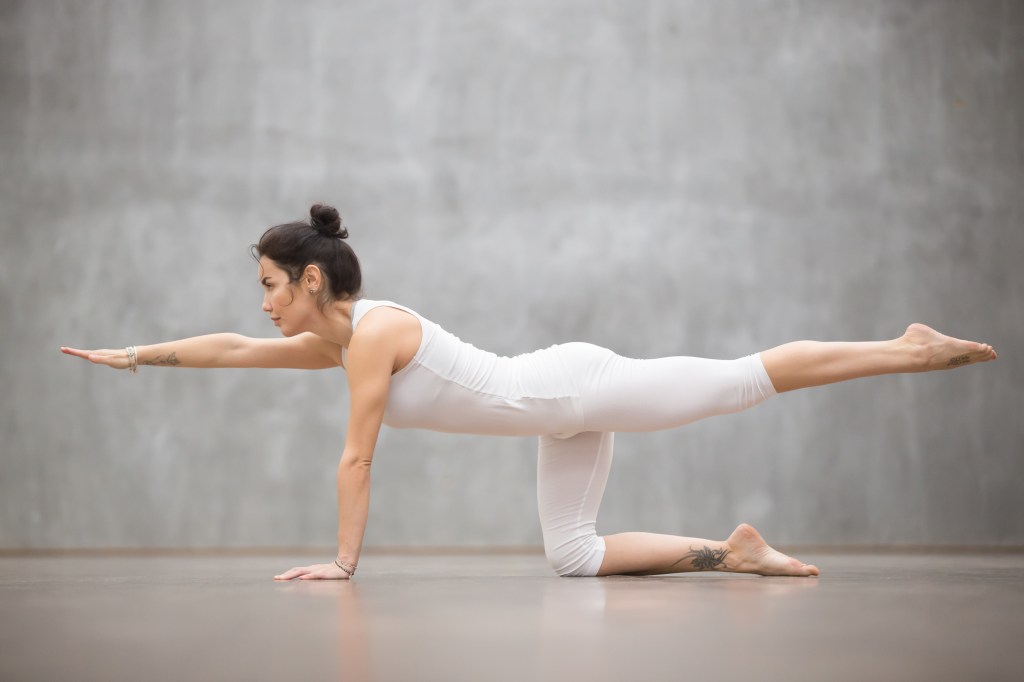
    • Quadruped arm/leg reach

    This is the foundation for safe, effective movement.

    Step 4: Strength & Integration Work

    This is the heart of the session — where the essentials come together.

    Purpose:

    • Build strength
    • Challenge stability
    • Integrate upper and lower body
    • Apply the Pilates principles

    Examples:

    • Posterior and anterior strengthening – Swimming, Single Leg Stretch
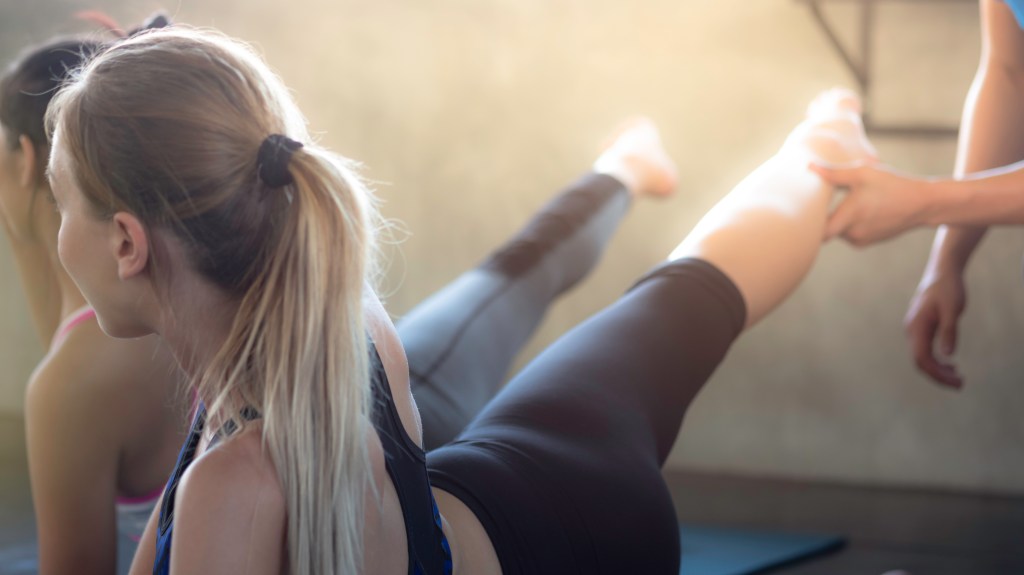
    • Side‑lying leg series
    • Plank variations
    • Standing balance work

    This is where clients experience whole‑body integration.

    Step 5: Flow & Coordination

    Introduce sequences that encourage rhythm, continuity, and control.

    Purpose:

    • Enhance coordination
    • Build endurance
    • Deepen the mind–body connection

    Examples:

    • Choose exercises that transition well to the next
    • Pick 4 exercises and build in intensity with each cycle
    • For advanced, string 8 to 10 exercises together with low reps (similar to yoga vinyasa)

    Flow brings the session to life.

    Step 6: Cool Down & Reflection

    End with grounding, stretching, and awareness.

    Purpose:

    • Reduce tension
    • Integrate the work
    • Encourage reflection
    • Support recovery

    Examples:

    • Supine relaxation
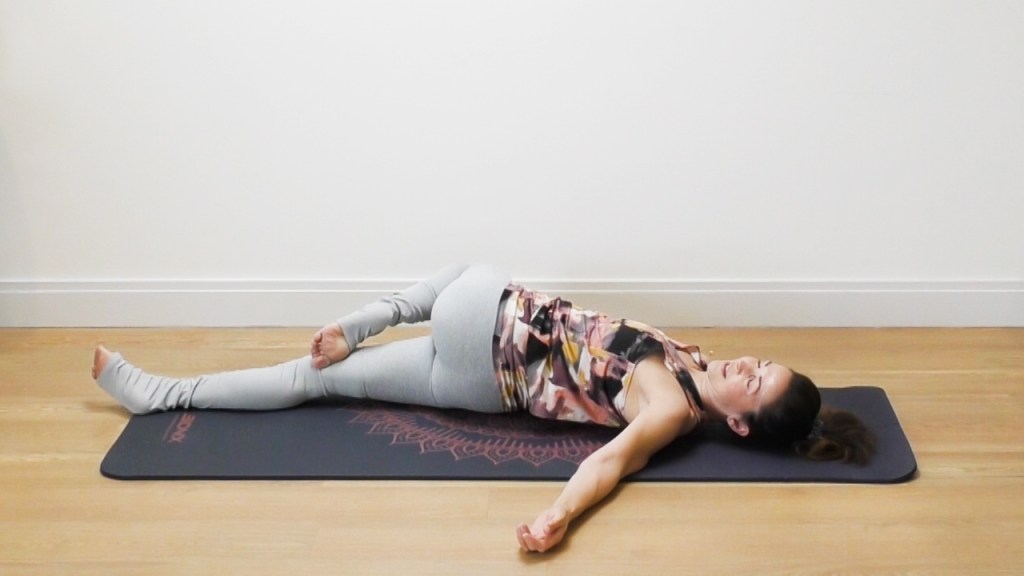
    • Supine spinal rotation
    • Hamstring stretch with a long hold
    • Gentle breathing exercises to stimulate parasympatheric system
    • Mindful stillness

    This helps clients leave feeling balanced, calm, and connected.

    4. How to Layer Cues for Integration

    Cueing is one of the most powerful tools for integration. The key is layering — starting simple and adding detail as clients are ready.

    Layer 1: Awareness

    • “Notice your breath.”
    • “Feel your pelvis on the mat.”

    Layer 2: Alignment

    • “Stack your ribs over your pelvis.”
    • “Widen your collarbones.”

    Layer 3: Activation

    • “Gently engage your deep abdominals.”
    • “Feel your shoulder blades glide.”

    Layer 4: Integration

    • “Let your breath support the movement.”
    • “Feel the connection from your centre to your limbs.”

    Layering prevents overwhelm and builds understanding step by step.

    5. Recognising When Integration Is Missing

    Clients often show clear signs when they’re not integrating the essentials.

    Common signs:

    • Holding the breath
    • Overusing superficial muscles
    • Losing alignment under load
    • Moving with tension or rigidity
    • Rushing through transitions
    • Compensating with the lower back or neck

    How to correct it

    • Slow the movement down
    • Reduce load or range
    • Return to foundational cues
    • Re‑establish breath
    • Offer tactile feedback

    Integration is a process, not a destination.

    6. Teaching Integration Across Different Levels

    Beginners

    • Focus on awareness and alignment
    • Use simple exercises
    • Keep cues clear and minimal

    Intermediate clients

    • Add load and complexity
    • Introduce flow
    • Layer cues more deeply

    Advanced clients

    • Challenge coordination
    • Use multi‑plane movement
    • Emphasise precision and control

    Integration evolves as clients progress.

    7. Integration for Mat Pilates

    Mat Pilates offers unique opportunities for integration. It

    • Requires intrinsic stability
    • Encourages body awareness
    • Highlights compensations
    • Provides feedback for the client

    Using props deepens integration.

    8. Why Integration Is the Future of Pilates Teaching

    Clients today want more than a workout — they want to feel better, move better, and understand their bodies and minds. Integration delivers that.

    When you teach integration, clients:

    • Progress faster
    • Build balanced strength
    • Reduce pain
    • Improve posture
    • Develop confidence
    • Feel empowered

    And your teaching becomes:

    • More intentional
    • More effective
    • More intuitive
    • More transformative

    Integration is where Pilates becomes a lifelong practice.

    Conclusion: Integration Is the Essence of Pilates

    Integration is the culmination of everything we’ve explored in this series — breath, alignment, mobility, stability, core engagement, the principles, and the mind–body connection. When these elements come together, Pilates becomes a powerful, intelligent, and deeply embodied movement system.

  • The 8 Principles of Pilates for Intelligent, Somatic Movement

    Discover the 8 Pilates principles that create intelligent, embodied, and sustainable movement. Learn how relaxation, breath, alignment, concentration, co‑ordination, precision, flow, and stamina form the foundation of a mindful Pilates practice.

    Pilates Essentials – Part 9:

    Pilates is often described as a mind–body practice, but what truly gives it depth and transformative power are the principles that underpin every movement. These principles guide how we breathe, how we organise the body, how we focus, and how we move with clarity and ease.

    In classical Pilates, six principles are commonly taught. But over decades of teaching, studying biomechanics, and working with hundreds of real bodies, I’ve found that a more somatic, contemporary approach serves people far better. The body responds differently when we consider the nervous system, breath mechanics, functional alignment, and the lived experience of each person.

    So in this part of the Pilates Essentials Series, I’m sharing my eight Pilates principles — the ones I use in every class, every workshop, and every teacher‑training programme. They honour the classical method, but they also reflect the way modern bodies move, learn, and heal.

    These principles are the foundation of everything I teach, from Micro‑Somatics to senior fitness, from holistic back care to postural assessment. They create a practice that is accessible, intelligent, and deeply embodied.

    Let’s explore them in depth.

    1. Relaxation: The Gateway to Somatic Awareness

    Relaxation is the first principle because without it, nothing else can land. It’s not about collapsing or switching off — it’s about releasing unnecessary tension so the body can organise itself more efficiently and we can feel grounded.

    When we soften, the nervous system shifts out of “doing” mode and into a state where learning, sensing, and refining become possible. This is where mind–body connection begins.

    Why it matters:

    • Reduces gripping and compensatory patterns
    • Improves breath quality
    • Creates space for natural alignment
    • Enhances proprioception and interoception

    Try this: Lie down and let the floor support you. Notice where you’re holding tension — jaw, shoulders, belly — and soften by. This tiny shift changes everything.

    2. Breath: The Anchor of Movement and Core Support

    Breath is the bridge between the somatic and the structural. We begin with diaphragmatic breathing to restore natural core activation, then progress to thoracic/lateral breathing to support movement without bracing or gripping.

    Breath influences the spine, the pelvic floor, the deep core, and the nervous system. It sets the rhythm and quality of every exercise.

    Why it matters:

    • Supports natural core activation
    • Reduces neck and shoulder tension
    • Improves rib mobility
    • Enhances flow and stamina

    Try this: Place your hands on your lower ribs. Inhale and feel them widen; exhale and feel them soften. Let breath initiate movement rather than follow it.

    3. Alignment & Centring: Organising the Body for Ease and Efficiency

    Alignment is not about “perfect posture.” It’s about organising the body so movement becomes efficient, supported, and pain‑free. Centring is the integration of breath, deep core, and spinal awareness.

    This principle is especially important for modern bodies — bodies that sit, drive, scroll, and carry stress. When we realign, we create space for movement to feel lighter and more sustainable.

    Why it matters:

    • Reduces strain on joints
    • Improves balance and stability
    • Enhances core integration
    • Supports long‑term spinal health

    Try this: Find a neutral pelvis and spine as a starting point, not a rule. Notice where your weight naturally sits — front/back, left/right — and gently rebalance.

    4. Concentration: The Mindful Heart of Pilates

    Pilates is mindful movement. Concentration brings presence, clarity, and refinement. It transforms an exercise from something you do into something you experience.

    When attention is focused, the nervous system learns faster, the body moves more efficiently, and the practice becomes meditative.

    Why it matters:

    • Improves movement quality
    • Enhances body awareness
    • Reduces risk of injury
    • Deepens the mind–body connection

    Try this: Choose one intention per exercise — breath, alignment, or a specific sensation — and stay with it throughout the movement.

    5. Co‑ordination: Integrating Breath, Body, and Intention

    Co‑ordination is the harmonious relationship between breath, body, and intention. It’s where somatic awareness meets functional movement.

    This principle helps us move as an integrated whole rather than in isolated parts. It’s essential for balance, gait, and everyday movement patterns.

    Why it matters:

    • Improves timing and rhythm
    • Enhances functional movement
    • Supports flow and stamina
    • Builds confidence and ease

    Try this: Match breath to movement. Notice how the upper and lower body communicate — or don’t — and refine from there.

    6. Precision: Clarity Over Perfection

    Precision is clarity, not perfectionism. It’s about choosing the most efficient pathway for the body in each moment.

    Small adjustments create big changes. Precision builds skill, confidence, and body intelligence.

    Why it matters:

    • Improves movement efficiency
    • Reduces compensations
    • Enhances strength and control
    • Supports long‑term progress

    Try this: Slow down. Feel the pathway of the movement rather than rushing to the end point.

    7. Flow: Movement as Meditation

    Flow is the continuity of movement, breath, and attention. It turns Pilates into a moving meditation.

    Flow doesn’t mean rushing — it means moving with rhythm, ease, and intention. It’s the principle that brings grace and pleasure into the practice.

    Why it matters:

    • Builds stamina and resilience
    • Enhances breath–movement integration
    • Improves transitions and sequencing
    • Creates a sense of ease and enjoyment

    Try this: Focus on smooth transitions and consistent breath. Let one movement lead naturally into the next.

    8. Stamina: Sustaining Quality Through Challenge

    Stamina is the culmination of all the principles working together. It’s not just physical endurance — it’s the ability to maintain awareness, alignment, and breath as movement becomes more demanding.

    This principle builds resilience, confidence, and long‑term strength.

    Why it matters:

    • Supports progression
    • Builds physical and mental resilience
    • Enhances functional strength
    • Encourages consistency and commitment

    Try this: Layer complexity gradually. Keep the quality of movement high, even as intensity increases.

    Why These Principles Matter for Your Practice

    These eight principles create a framework that is:

    • somatic and nervous‑system aware
    • accessible for all bodies
    • grounded in functional movement
    • supportive for rehabilitation and prevention
    • deeply aligned with a contemporary approach to Classical Pilates

    What’s Next in the Essentials Series

    In Part 10, we’ll bring everything together — helping you understand how these principles, foundations, and practices integrate into a sustainable, intelligent Pilates routine.

  • Understanding Snapping Hip Syndrome: Why Alignment, Core Stability & Smart Range Matter

    Snapping Hip Syndrome (SHS) is one of those curious movement phenomena that clients often describe as “a click,” “a pop,” or “a flick” at the front, side, or back of the hip. Sometimes it’s painless; sometimes it’s sharp and uncomfortable. For Pilates teachers and movement practitioners, understanding the underlying causes is essential—not only for supporting clients safely, but also for refining our own movement practice.

    In this post, we’ll explore the key contributors to SHS—muscle and tendon tightness, anatomical variations, overuse and fatigue, and intra‑articular causes—and why maintaining neutral alignment, activating the core, and reducing range of motion can make such a profound difference.

    What Is Snapping Hip Syndrome?

    Snapping Hip Syndrome occurs when a structure around the hip—usually a tendon—moves over a bony prominence, creating an audible or palpable “snap.” It can happen:

    • Externally (most common): the IT band or gluteus maximus tendon flicks over the greater trochanter.
    • Internally: the iliopsoas tendon snaps over the femoral head or iliopectineal eminence.
    • Intra‑articularly: the “snap” originates from within the joint, often due to a labral tear or loose body.

    For Pilates teachers, the snapping often appears during leg circles, hip flexion work, side‑lying series, or any movement that challenges hip stability.

    1. Muscle & Tendon Tightness: When Tension Creates Noise

    Tightness in the hip flexors, TFL/IT band, or deep rotators can increase friction around the hip. When a tendon is already taut, it’s more likely to “flick” over bone during movement.

    Common contributors include:

    • Prolonged sitting (shortened hip flexors)
    • Over‑reliance on gripping strategies
    • Weak glutes leading to compensatory TFL dominance
    • Limited thoracic mobility affecting pelvic mechanics

    Pilates takeaway: Lengthening strategies alone aren’t enough. We need to pair mobility with stability—especially around the pelvis and deep core—to reduce the tension‑plus‑instability combination that often triggers snapping.

    Anatomical Variations: When Structure Shapes Function

    Some people are simply more predisposed to SHS due to their natural anatomy. Variations in:

    • Femoral neck angle
    • Acetabular depth
    • Trochanteric width
    • Tendon pathing

    …can all influence whether a tendon is more likely to catch.

    This is why two clients can perform the same movement with identical technique, yet only one experiences snapping.

    Pilates takeaway: Alignment needs to supports our body and movement. Our job is to help clients find their most functional position, not force them into shapes that don’t suit their structure.

    3. Overuse & Fatigue: When the System Can’t Support the Load

    Repetitive hip flexion (running, cycling, dance, high‑volume Pilates) can fatigue stabilising muscles. When the deep stabilisers switch off, the larger global muscles take over—and they’re not designed for fine control.

    This leads to:

    • Loss of pelvic stability
    • Increased tendon friction
    • Reduced neuromuscular control
    • Compensatory gripping patterns

    Pilates takeaway: Less is often more. Reducing range, slowing tempo, and reinforcing core‑to‑limb sequencing helps restore control and reduce snapping.

    4. Intra‑Articular Causes: When the Issue Is Inside the Joint

    Although less common, snapping can originate from within the hip joint itself. Causes may include:

    • Labral tears
    • Cartilage irregularities
    • Loose bodies

    These often present with deeper pain, catching, or giving way.

    Pilates takeaway: If snapping is painful, unpredictable, or accompanied by joint instability, refer to a medical professional or appropriate therapist. Pilates can support, but it shouldn’t replace medical assessment.

    Why Neutral Alignment Matters

    Neutral pelvis and spine create the most efficient environment for the hip to move without unnecessary friction. When the pelvis tips forward or backward, the path of the tendons changes—and snapping becomes more likely.

    Neutral alignment helps:

    • Balance the hip flexors and extensors
    • Reduce anterior hip compression
    • Improve load transfer through the pelvis
    • Support optimal tendon tracking

    Core Activation: The Stability That Protects the Hip

    When the deep core (TA, pelvic floor, multifidus, diaphragm) is active, the pelvis becomes a stable base for the femur to move from. Without this stability, the hip flexors often overwork to create control, increasing the likelihood of snapping.

    Core activation helps:

    • Reduce excessive hip flexor recruitment
    • Improve femoral glide
    • Support smoother tendon movement
    • Enhance proprioception and control

    Think of it as giving the hip a “quiet environment” to move in.

    Reducing Range of Motion: A Smart, Not Weak, Strategy

    Many clients push into end‑range hip movements long before they have the stability to support them. This is where snapping often appears.

    By reducing range, we allow:

    • Better control
    • More accurate muscle recruitment
    • Less tendon displacement
    • Improved movement quality

    Small, precise ranges build the neuromuscular foundation that eventually allows for larger, smoother, pain‑free movement.

    Practical Teaching Tips for Pilates Teachers

    Here are simple cues and strategies you can use immediately:

    ✔️ 1. Start with alignment

    “Find your neutral—front and back of the pelvis equally weighted.”

    ✔️ 2. Layer in core activation

    “Imagine zipping up from the pelvic floor to the ribs.”

    ✔️ 3. Reduce range

    “Work in the range where the movement feels smooth and quiet.”

    ✔️ 4. Add a Prop

    A resistance band will support the weight of the leg to help the core.

    ✔️ 5. Slow the tempo, let it flow

    “Let the hip glide, not snap.”

    ✔️ 6. Strengthen the glutes

    Especially glute med and deep rotators.

    ✔️ 7. Balance mobility with stability

    Lengthen what’s tight, strengthen what’s underworking.

    Final Thoughts

    Snapping Hip Syndrome is rarely something to fear—but it is something to understand. With thoughtful cueing, intelligent range management, and a focus on neutral alignment and core stability, we can help clients move with more ease, less noise, and far greater confidence.

  • Mind–Body Connection in Pilates: Teaching Awareness, Precision, and Control

    Pilates Essentials Series — Part 8

    Introduction: The Mind–Body Connection Is the Heart of Pilates

    Pilates isn’t simply about strengthening muscles, the core or improving flexibility — it’s about cultivating awareness, presence, and intentional movement. For teachers, helping clients develop this connection is one of the most transformative aspects of the work.

    Yet many clients arrive in the studio disconnected from their bodies. They’re stressed, distracted, rushing, or simply unaware of how they move. Teaching the mind–body connection is not about making Pilates “spiritual” — it’s about helping clients feel, sense, and understand their bodies so they can move with clarity and control.

    In this instalment of the Pilates Essentials Series, we explore how to teach the mind–body connection in a practical, accessible, and empowering way — so your clients can experience Pilates not just as exercise, but as embodied practice.

    1. What the Mind–Body Connection Really Means in Pilates

    The mind–body connection is often misunderstood as something abstract or mystical. In Pilates, it’s incredibly practical.

    It means:

    • Being aware of how the body moves
    • Noticing compensations and patterns
    • Feeling the difference between effort and strain
    • Using breath to support movement
    • Staying mentally present
    • Moving with intention rather than habit

    Why it matters

    Clients who develop mind–body awareness:

    • Progress faster
    • Move more efficiently
    • Experience fewer injuries
    • Build deeper core strength
    • Feel more confident in their bodies

    For teachers, it’s the difference between clients “doing exercises” and clients learning to move.

    2. The Neuroscience of Awareness: Why Pilates Works

    Pilates enhances proprioception — the body’s ability to sense its position in space. This is essential for balance, coordination, and movement efficiency.

    Pilates improves:

    • Interoception — sensing internal cues (breath, tension, effort)
    • Proprioception — sensing external cues (alignment, position, movement)
    • Neuromuscular coordination — the brain–muscle connection

    When clients focus their attention, the brain literally rewires itself. This is why Pilates can feel so grounding, calming, and empowering.

    3. Teaching Clients to “Feel” Instead of “Force”

    Many clients approach movement with a “push harder” or “feel the burn” mentality. Pilates invites them to shift from force to awareness.

    How to teach this shift

    • Encourage curiosity rather than performance
    • Use slow, controlled movement
    • Offer moments of stillness
    • Ask reflective questions
    • Use breath to reduce tension

    Teacher cue examples

    • “Notice what you feel, without expectation.”
    • “Let the movement be guided by awareness, not effort.”

    This shift is often life‑changing for clients.

    4. The Role of Breath in the Mind–Body Connection

    Breath is the anchor of awareness. It regulates the nervous system, supports the core, and helps clients stay present.

    Why breath matters

    • Reduces stress
    • Enhances focus
    • Improves ribcage mobility
    • Supports deep core activation
    • Creates rhythm and flow

    How to teach breath as awareness

    • Begin sessions with simple breathing
    • Use breath to guide transitions
    • Encourage natural, unforced breath
    • Connect breath to movement intention

    Teacher cue examples

    • “Let your breath bring you into your body.”
    • “Inhale to create space; exhale to support.”

    Breath is the simplest and most powerful tool for presence.

    5. Cueing for Awareness: How to Help Clients Tune In

    Cueing is one of the most effective ways to build the mind–body connection.

    Use sensory cues

    • “Feel your ribs expand into your hands.”
    • “Notice the weight under your feet.”

    Use directional cues

    • “Let your spine lengthen upward.”
    • “Allow your shoulder blades to glide.”

    Use reflective cues

    • “What changed when you softened your breath?”
    • “Can you sense your pelvis staying steady?”

    Use imagery

    • “Imagine your spine floating.”
    • “Think of your breath as a wave.”

    Imagery bypasses overthinking and taps directly into sensation.

    6. Creating a Mindful Teaching Environment

    The environment you create as a teacher shapes your clients’ ability to connect.

    Practical ways to support awareness

    • Reduce unnecessary talking
    • Allow pauses
    • Use consistent cueing language
    • Keep transitions smooth
    • Offer grounding moments at the start and end of class

    Encourage internal focus

    Rather than clients looking for external validation, guide them inward.

    Cue:

    • “Notice what feels different today.”
    • “Let your body guide the movement.”

    A mindful environment helps clients feel safe, supported, and present.

    7. Exercises That Naturally Build the Mind–Body Connection

    1. Pelvic tilts

    Teach awareness of the spine and pelvis.

    2. Supine breathing with tactile feedback

    Enhances ribcage awareness and core activation.

    3. Cat–cow variations

    Connect breath and spinal mobility.

    4. Footwork

    Teaches alignment, grounding, and control.

    5. Side‑lying leg series

    Builds awareness of hip stability and movement patterns.

    6. Standing balance work

    Enhances proprioception and whole‑body integration.

    These exercises encourage clients to feel, sense, and adjust.

    8. Helping Clients Break Habitual Patterns

    Many clients move from habit rather than awareness. Pilates helps them break these patterns.

    Common patterns include:

    • Overusing the lower back
    • Gripping the hip flexors
    • Shrugging the shoulders
    • Holding the breath
    • Collapsing into the feet

    How to help clients change patterns

    • Slow the movement down
    • Reduce load
    • Use tactile feedback
    • Offer clear, simple cues
    • Celebrate small improvements

    Awareness is the first step toward change.

    9. The Mind–Body Connection as a Teaching Philosophy

    Teaching the mind–body connection is not a technique — it’s a philosophy.

    It means teaching clients to:

    • Move with intention
    • Listen to their bodies
    • Respect their limits
    • Explore their potential
    • Stay present
    • Build confidence

    It means teaching from a place of:

    • Curiosity
    • Compassion
    • Clarity
    • Patience
    • Precision

    When you teach this way, your sessions become more than workouts — they become experiences.

    10. Why the Mind–Body Connection Elevates Your Teaching

    When clients develop awareness, everything improves:

    • Technique
    • Strength
    • Mobility
    • Balance
    • Breath
    • Confidence

    And your teaching becomes:

    • More intuitive
    • More effective
    • More impactful

    Clients feel seen, supported, and empowered — and they keep coming back because they feel the difference.

    Conclusion: Awareness Is the Foundation of Transformation

    The mind–body connection is the heart of Pilates. It’s what turns movement into practice, effort into ease, and exercise into transformation. As teachers, our role is to guide clients toward awareness — one breath, one cue, and one moment at a time.

    When clients learn to move with presence and intention, they don’t just change their bodies — they change their relationship with themselves.

  • Hip Mobility & Lower Body Alignment: Building Balanced, Functional Movement Patterns

    Pilates Essentials Series — Part 7

    Introduction: Why Hip Mobility Is the Missing Link in Most Pilates Practices

    If there is one area of the body that consistently shows up with tightness, weakness, compensation, or confusion in Pilates clients, it’s the hips. The hip joint is incredibly powerful and incredibly complex — and when it’s not moving well, the entire body feels the consequences.

    For Pilates teachers, understanding hip mobility and lower‑body alignment is essential for helping clients move with ease, reduce pain, and build functional strength. The hips influence gait, posture, balance, core activation, and even breath. When the hips are stiff or misaligned, clients compensate with their lower back, knees, or feet without realising it.

    In this instalment of the Pilates Essentials Series, we explore how to teach hip mobility and lower‑body alignment in a way that empowers your clients to move freely, safely, and efficiently.

    1. Why Hip Mobility Matters in Pilates

    The hip joint is a ball‑and‑socket joint designed for a wide range of motion. But modern life — sitting, driving, screens, stress — limits that movement dramatically.

    Common hip issues you’ll see in clients:

    • Tight hip flexors
    • Weak glutes
    • Limited hip extension
    • Poor external rotation
    • Overactive TFL and quads
    • Knee valgus or varus
    • Lower‑back compensation

    Why this matters in Pilates

    Hip mobility affects:

    • Pelvic alignment
    • Core activation
    • Spinal mobility
    • Balance and gait
    • Lower‑body strength
    • Load distribution

    When the hips move well, the entire body moves better.

    2. Understanding Lower‑Body Alignment: A Teacher’s Perspective

    Lower‑body alignment is not just about the hips — it’s about the entire kinetic chain.

    Key alignment checkpoints:

    • Feet: tripod grounding, arches active
    • Knees: tracking over the second toe
    • Hips: level, stable, mobile
    • Pelvis: neutral, not tipping, tilting or rotating
    • Spine: supported by the core

    The hips as the centre of lower‑body organisation

    The hips influence:

    • Knee tracking
    • Foot mechanics
    • Pelvic stability
    • Glute activation
    • Balance and proprioception

    When the hips are aligned, the rest of the lower body follows.

    3. The Three Pillars of Hip Mobility

    1. Flexibility

    Clients need adequate length in:

    • Hip flexors
    • Hamstrings
    • Adductors
    • External rotators

    2. Strength

    Mobility without strength leads to instability. Key muscles include:

    • Glute max
    • Glute med/min
    • Deep hip rotators
    • Hamstrings
    • Iliopsoas

    3. Control

    True mobility is the ability to move through range with control. Pilates excels here.

    4. How Hip Mobility Influences the Entire Body

    a. The pelvis

    Tight hip flexors pull the pelvis into anterior tilt. Weak glutes reduce pelvic stability. Both affect spinal alignment.

    b. The spine

    When the hips don’t move, the lower back compensates. This is a major cause of:

    • Lower‑back pain
    • Poor core activation
    • Limited spinal mobility

    c. The knees

    Hip weakness often shows up as:

    • Knee valgus (knees collapsing inward)
    • Knee varus (knees bowing outward)

    d. The feet

    Hip rotation influences foot pronation and supination.

    5. Teaching Hip Mobility: A Step‑by‑Step Method for Instructors

    Step 1: Build awareness

    Clients must understand how their hips move.

    Use explorations such as:

    • Leg and Hip circles
    • Leg slides
    • Standing weight shifts
    • External/internal rotation

    Step 2: Introduce alignment

    Cue:

    • “Keep your pelvis steady as your leg moves.”
    • “Imagine your thigh bone rotating inside your hip socket.”
    • “Let the movement come from the hip, not the back.”

    Step 3: Layer in breath

    Breath helps release tension and support stability.

    Cue:

    • “Inhale to create space; exhale to stabilise.”

    Step 4: Add load gradually

    Once alignment is established, challenge it with:

    • Supine core work
    • Bridging variations
    • Side‑lying work
    • Standing balance

    6. Common Hip Mobility Issues & How to Correct Them

    This is where a deep knowledge of Pilates exercises, their purpose and benefits and anatomy and physiology are essential.

    1. Tight hip flexors

    Often caused by:

    • Sitting
    • Stress
    • Weak glutes

    Corrections:

    • Stretch hip flexors
    • Strengthen glutes
    • Cue neutral pelvis

    Shoulder Bridge with the extended leg variation will address all these issues, but there are many other exercises to choose from.

    2. Weak glutes

    Often caused by:

    • Sedentary lifestyle
    • Overactive hip flexors
    • Poor movement patterns

    Corrections:

    • Bridge variations
    • Side‑lying leg work
    • Standing hip abduction

    3. Limited external rotation

    Often caused by:

    • Tight deep rotators
    • Weak glutes
    • Poor hip mechanics

    Corrections:

    4. Knee valgus

    Often caused by:

    • Weak glute med
    • Poor foot mechanics
    • Hip instability

    Corrections:

    • Cue knee tracking
    • Strengthen lateral hips
    • Improve foot grounding

    7. Cueing Strategies That Create Real Change

    Use imagery

    • “Imagine your thigh bone spiralling in the socket” or “Stirring a cup of tea”
    • “Think of your hips as headlights — keep them shining forward.”
    • “Pelvis is a bowl of water – you don’t want to spill any.”

    Use tactile cues

    With consent:

    • Hands on the pelvis (yours or theirs)
    • Guiding hip rotation

    Use functional cues

    • “Can you move your leg without your pelvis shifting?”
    • “Can you keep your knee tracking over your toes?”

    Use layered cueing

    Start broad → refine → integrate.

    8. Exercises That Teach Hip Mobility Naturally

    1. Supine leg circles

    Teach hip dissociation.

    2. Bridge variations

    Strengthen glutes and improve hip extension.

    3. Side‑lying leg series

    Build lateral hip strength.

    4. Clams and hip rotation drills

    Improve external rotation.

    5. Standing balance work

    Integrate hip stability into functional movement.

    9. Progressions for Safe, Effective Lower‑Body Training

    Start with awareness

    Clients must feel the hip joint move.

    Add stability

    Introduce neutral pelvis, core activation and knee tracking.

    Add load

    Leg lifts, bridging, standing work.

    Add complexity

    Rotation, balance, transitions.

    Add functional integration

    Gait patterns, footwork.

    10. Why Hip Mobility Elevates Your Teaching

    When you teach hip mobility well, your clients:

    • Reduce lower‑back pain
    • Improve posture
    • Strengthen their glutes
    • Move with more confidence
    • Build long‑term resilience

    And your teaching becomes:

    • More precise
    • More effective
    • More transformative

    Conclusion: Building Balanced, Functional Movement Patterns

    Hip mobility and lower‑body alignment are essential for safe, efficient, and powerful movement. When clients learn to move their hips with awareness and control, they unlock better posture, stronger glutes, and a more integrated Pilates practice.

    As teachers, our role is to guide them toward this freedom with clarity, patience, and thoughtful cueing.

    It’s not enough to just know the Pilates exercises: we need to understand the purpose, benefits, muscles involved, fascia, the role of tension stored in body. A broad knowledge of all types of movement therapy is very useful. Take a look at my Services page, scroll through and click on the links for more information.

    #pilates #somaticmovement #hipmobility

  • Shoulder Girdle Stability & Upper Body Integration: Creating Strength Without Tension

    Pilates Essentials Series — Part 6

    Introduction: Why the Shoulder Girdle Is the Unsung Hero of Pilates Technique

    When we think of Pilates fundamentals, the core and pelvis often take centre stage — but the shoulder girdle is just as essential. For teachers, understanding how to cue and organise the shoulder complex is key to helping clients move with ease, reduce neck and upper‑back tension, and build true functional strength.

    The shoulder girdle is a dynamic, mobile structure designed for fluid movement. Yet many clients arrive with stiff necks, rounded shoulders, overactive upper traps, and underactive stabilisers. Without proper alignment and engagement, even simple Pilates exercises can create strain instead of strength.

    In this instalment of the Pilates Essentials Series, we explore how to teach shoulder girdle stability and upper‑body integration in a way that empowers your clients to move freely, breathe fully, and build balanced strength.

    1. Understanding the Shoulder Girdle: A Teacher’s Guide

    The shoulder girdle is not just the shoulder joint — it’s an entire system.

    Key components include:

    • Scapulae (shoulder blades)
    • Clavicles (collarbones)
    • Humerus (upper arm bone)
    • Thoracic spine and ribcage
    • Muscles including:
      • Serratus anterior
      • Lower and middle trapezius
      • Rhomboids (above)
      • Rotator cuff
      • Pectorals (chest)
      • Latissimus dorsi

    Why this matters in Pilates

    The shoulder girdle influences:

    • Neck tension
    • Ribcage mobility
    • Breath capacity
    • Core activation
    • Arm strength
    • Posture
    • Load transfer through the spine

    When the shoulder girdle is organised, the entire upper body becomes more efficient and responsive.

    2. The Three Pillars of Shoulder Girdle Stability

    1. Scapular placement

    The scapulae should rest on the ribcage like “wings,” not pinched together or shrugged upward.

    Neutral scapular placement means:

    • Wide across the collarbones
    • Shoulder blades gently anchored down the back
    • No gripping or forcing

    2. Serratus anterior activation

    This muscle is the secret weapon of shoulder stability.

    It helps:

    • Keep the scapulae flush to the ribcage
    • Prevent winging
    • Support overhead movements
    • Reduce upper‑trap dominance

    3. Balanced mobility

    Stability does not mean rigidity. The shoulder girdle must glide, rotate, and slide to support natural movement.

    3. How Shoulder Girdle Alignment Affects the Whole Body

    a. The neck

    Poor scapular control often leads to:

    • Neck tension
    • Forward-head posture
    • Overuse of upper trapezius

    b. The ribcage

    The shoulder girdle sits on the ribcage — if the ribs are stiff or flared, the shoulders cannot organise well.

    c. The core

    Upper‑body alignment influences:

    • Deep core activation
    • Breath mechanics and efficiency
    • Thoracic mobility

    d. The arms

    Without stable scapulae, arm movements become inefficient and strain the rotator cuff.

    4. Teaching Shoulder Girdle Stability: A Step‑by‑Step Method for Instructors

    Step 1: Build awareness

    Clients must first feel their shoulder blades.

    Use explorations such as:

    • Scapular elevation/depression
    • Protraction/retraction
    • Upward/downward rotation

    Encourage slow, mindful movement.

    Step 2: Introduce neutral scapular placement

    Cue:

    • “Widen your collarbones.”
    • “Let your shoulder blades melt down your back.”
    • “Imagine your shoulder blades sliding into your back pockets.”

    Avoid cues like “pull your shoulders down” — they often create tension.

    Step 3: Layer in breath

    Breath expands the ribcage, which supports scapular placement.

    Cue:

    • “Inhale to widen the ribs; exhale to soften the shoulders.”

    Step 4: Add load gradually

    Once alignment is established, challenge it with:

    • Arm arcs
    • The Hundred arm pumps
    • Plank variations

    The goal is maintaining organisation under increasing demand.

    5. Common Shoulder Girdle Issues & How to Correct Them

    1. Over‑shrugging

    Often caused by:

    • Upper‑trap dominance
    • Weak serratus anterior
    • Stress and habitual tension

    Corrections:

    • Cue softening of the shoulders
    • Strengthen serratus anterior
    • Encourage ribcage expansion

    2. Scapular winging

    Often caused by:

    • Weak serratus anterior
    • Poor ribcage mobility
    • Overuse of pecs

    Corrections:

    • Teach protraction with control
    • Strengthen serratus (e.g., wall slides, quadruped work)
    • Improve thoracic mobility

    3. Over‑retraction (“military posture”)

    Often caused by:

    • Over‑cueing “shoulders back”
    • Tight rhomboids
    • Weak lower traps

    Corrections:

    • Cue width across the collarbones
    • Encourage natural scapular glide
    • Strengthen lower traps

    6. Cueing Strategies That Create Real Change

    Use imagery

    • “Imagine your shoulder blades floating on warm water.”
    • “Think of your collarbones as wings spreading wide.”

    Use tactile cues

    With consent:

    • Hands on the scapulae
    • Guiding the shoulder blades into neutral

    Use functional cues

    • “Can you move your arm without your shoulder hiking?”
    • “Can you breathe without your shoulders lifting?”

    Use layered cueing

    Start broad → refine → integrate.

    7. Exercises That Teach Shoulder Girdle Stability Naturally

    1. Scapular isolations

    Build awareness and control.

    2. Angel Arms/Wall slides

    Strengthen serratus anterior and improve upward rotation.

    3. Quadruped arm reach

    Integrates core, shoulder, and ribcage stability.

    4. Plank variations

    Teach load‑bearing with proper alignment.

    5. Arm work

    Challenges stability through resistance (bands or weights).

    8. Progressions for Safe, Effective Upper‑Body Training

    Start with awareness

    Clients must understand scapular movement.

    Add stability

    Introduce neutral placement and breath.

    Add load

    Use arm arcs, resistance, and planks.

    Add complexity

    Rotation, balance, and dynamic transitions.

    Add functional integration

    Standing work, overhead movements, and full‑body sequences.

    9. Why Shoulder Girdle Stability Elevates Your Teaching

    When you teach shoulder girdle organisation well, your clients:

    • Reduce neck and shoulder tension
    • Improve posture
    • Strengthen their upper body safely
    • Move with more confidence
    • Breathe more fully
    • Build long‑term resilience

    And your teaching becomes:

    • More precise
    • More effective
    • More transformative

    Conclusion: Creating Strength Without Tension

    The shoulder girdle is a dynamic, powerful system that supports every upper‑body movement in Pilates. When clients learn to organise their shoulders with ease and awareness, they unlock a new level of strength — one that is grounded, balanced, and free from tension.

    As teachers, our role is to guide them toward this integration with clarity, patience, and thoughtful cueing.

  • Pelvic Alignment & Neutral Spine: Teaching the Cornerstone of Safe Movement

    Part 5 of the Pilates Essentials Series

    Introduction: Why Pelvic Alignment Is the Quiet Powerhouse of Pilates

    If there is one concept that quietly determines the success, safety, and effectiveness of nearly every Pilates exercise, it’s pelvic alignment. For teachers, understanding how to assess, cue, and correct pelvic positioning is essential — not only for technique, but for helping clients build long‑term functional strength, good posture and body awareness.

    Pelvic alignment is the foundation of spinal organisation, core activation, hip mobility, and load distribution. When the pelvis is out of alignment, everything above and below it compensates. When it’s in neutral, the body moves with efficiency, stability and ease.

    In this instalment of the Pilates Essentials Series, we explore how to teach pelvic alignment and neutral spine with clarity, confidence and precision — so your clients can move better, feel stronger and stay injury‑free.

    1. Understanding Pelvic Alignment: The Teacher’s Perspective

    Before we can teach pelvic alignment effectively, we need to understand what we’re looking for.

    The pelvis has three primary positions:

    • Anterior tilt — ASIS forward/down, lumbar spine increases in extension
    • Posterior tilt — ASIS back/up, lumbar spine flattens
    • Neutral pelvis — ASIS and pubic bone aligned

    Why neutral matters

    Neutral pelvis:

    • Supports optimal spinal curves
    • Allows the deep core to activate reflexively
    • Reduces compensatory tension in the hips and lower back
    • Improves load transfer through the kinetic chain
    • Enhances balance and proprioception

    For teachers, neutral pelvis is a functional starting point. It’s the place where the body is most organised and ready for movement.

    2. How Pelvic Alignment Influences the Entire Body

    a. The spine

    The pelvis is the base of the spine. If the base shifts, the spine must adapt.

    • Anterior tilt → increased lumbar lordosis
    • Posterior tilt → flattened lumbar curve
    • Neutral → natural shock absorption and segmental mobility

    b. The core

    Neutral pelvis allows the transversus abdominis, pelvic floor and multifidus to work together. If the pelvis is tilted, one or more of these systems becomes inhibited.

    c. The hips

    Hip flexors, extensors, abductors and rotators all attach to the pelvis. Pelvic misalignment often shows up as:

    • Tight hip flexors
    • Weak glutes
    • Limited hip extension
    • Overactive hamstrings

    d. Movement quality

    Clients with poor pelvic alignment often:

    • Grip with their lower back
    • Overuse superficial abdominals
    • Struggle with balance
    • Lose control during transitions

    Teaching neutral pelvis early creates a foundation for everything that follows.

    3. Teaching Neutral Spine: A Step‑by‑Step Approach for Instructors

    Step 1: Establish body awareness

    Clients need to feel the pelvis move before they can control it.

    Use simple explorations:

    • Pelvic tilts (anterior/posterior)
    • Rocking side to side
    • Circling the pelvis

    These movements help clients understand the range available to them.

    Step 2: Define neutral clearly

    Use tactile, visual and verbal cues:

    • “Imagine your pelvis is a bowl of water — in neutral, the water stays level.”
    • “Your hip bones and pubic bone form a triangle — keep it flat like a tabletop.”
    • “Feel equal weight on both sit bones.”

    Step 3: Layer in breath

    Breath helps release unnecessary tension and supports deep core activation.

    Cue:

    • Inhale to expand the ribs laterally
    • Exhale to gently engage the deep abdominals without forcing a tilt

    Step 4: Add load gradually

    Once neutral is established, challenge it with:

    • Arm movements
    • Leg lifts
    • Bridging variations
    • Quadruped work

    The goal is maintaining alignment under increasing demand.

    4. Common Pelvic Alignment Issues & How to Correct Them

    1. Over‑tucking (posterior tilt dominance)

    Often seen in clients who:

    • Have tight hamstrings
    • Overuse superficial abdominals
    • Fear lumbar extension

    Corrections:

    • Encourage length through the spine
    • Cue the sit bones to widen
    • Reduce abdominal bracing
    • Strengthen hip flexors and spinal extensors gently

    2. Over‑arching (anterior tilt dominance)

    Common in:

    • Can be seen in hypermobile clients
    • Those with tight hip flexors
    • People who stand with “gymnastic/dancer’s posture”

    Corrections:

    • Cue drawing back the ribs
    • Encourage engagement of lower abdominals
    • Stretch hip flexors
    • Strengthen glutes and hamstrings

    3. Lateral pelvic shift or hike

    Often caused by:

    • Glute med weakness on one side
    • Scoliosis
    • Habitual standing patterns

    Corrections:

    • Cue equal weight on both sit bones
    • Strengthen lateral hip stabilisers
    • Use mirrors or tactile feedback

    5. Cueing Strategies That Actually Work

    Use imagery

    Pilates thrives on imagery because it bypasses overthinking.

    • “Imagine your pelvis is a compass — keep north and south aligned.”
    • “Think of your pelvis as a bowl of fruit — don’t spill it.”

    Use tactile cues

    Either client of you with consent:

    • Hands on ASIS
    • Hands on the sacrum
    • Guiding the pelvis through tilt and neutral

    Use functional cues

    • “Can you breathe without your pelvis shifting?”
    • “Can you lift your leg without your back joining in?”

    Use layered cueing

    Start simple → add detail → refine precision.

    6. Exercises That Teach Pelvic Alignment Naturally

    1. Supine pelvic tilts

    Build awareness and control.

    2. Bridge extended leg variation

    Teach hip extension without lumbar compensation.

    3. Dead bug / toe taps

    Challenge neutral under load.

    4. Quadruped arm/leg reach (Box Swim/Superman)

    Integrates core, pelvis and shoulder stability.

    5. Standing weight shifts

    Bring pelvic alignment into functional movement.

    7. How to Progress Clients Safely

    Start with awareness

    Clients must feel the pelvis move.

    Add stability

    Introduce neutral and hold it with breath.

    Add load

    Leg lifts, arm reaches, bridging.

    Add complexity

    Rotation, balance, transitions.

    Add functional integration

    Standing work, balance, gait patterns.

    8. Why Pelvic Alignment Is a Game‑Changer for Teachers

    When you teach pelvic alignment well, you help clients:

    • Reduce back pain
    • Improve posture
    • Strengthen their core
    • Move with confidence
    • Understand their bodies
    • Build long‑term resilience

    It also elevates your teaching:

    • Your cueing becomes clearer
    • Your programming becomes more intentional
    • Your clients progress faster
    • Your sessions become safer and more effective

    Pelvic alignment is not just a concept — it’s a teaching superpower.

    Conclusion: Neutral Pelvis as the Foundation for Everything That Comes Next

    Pelvic alignment and neutral spine are the cornerstones of safe, effective Pilates practice. When clients understand how to organise their pelvis, they unlock better movement patterns, deeper core activation and a more connected mind‑body experience.

    As teachers, our role is to guide them toward awareness, control and confidence — one cue, one breath and one movement at a time.

  • Core Engagement and Stability in Pilates: Building a Strong Foundation

    Why Core Engagement Matters in Pilates

    Part 4  of the Pilates Essentials Series

    The core is the powerhouse of Pilates. In Pilates, core engagement isn’t just about having toned abs — it’s about creating stability, improving posture, and enabling efficient movement. When your core is active, every exercise becomes safer and more effective.

    “A strong centre supports everything else.”

    Benefits of a Strong Core

    • Improved Posture: A stable core supports spinal alignment and reduces strain on joints.
    • Enhanced Balance: Core strength helps maintain equilibrium during dynamic movements.
    • Injury Prevention: Proper engagement protects the lower back and hips.
    • Functional Strength: A strong core translates to better performance in everyday activities.

    Understanding the Core in Pilates

    When we talk about the “core” in Pilates, we mean more than just the rectus abdominis (the six-pack muscles). The Pilates core includes:

    • Transversus Abdominis (TA): The deepest abdominal layer, acting like a corset.
    • Multifidus: Small stabilising muscles along the spine.
    • Pelvic Floor: Supports the organs and works with the TA for stability.
    • Diaphragm: Integral for breath and core activation.
    • Obliques: Assist with rotation and lateral flexion.

    This interconnected system creates a strong, supportive centre for movement.

    How to Cue Core Engagement Effectively

    Teaching core activation is an art. Here are practical cues to help clients find and maintain engagement:

    1. Start with Breath

    Breathwork is the gateway to core activation. Use lateral breathing:

    • Inhale: Expand the ribcage sideways and into the back.
    • Exhale: Draw the navel gently towards the spine, activating the TA without gripping.

    Cue: “Imagine tightening a corset as you exhale.”

    2. Visualisation Techniques

    • “Think of zipping up a pair of jeans.”
    • “Draw your hip bones together without moving them.”

    3. Avoid Common Mistakes

    • Over-bracing: A common mistake is gripping too hard, creating tension.
    • Holding Breath: Keep breathing while engaging.
    • Pelvic Tilt Overload: Engagement should be subtle, not forced.

    Exercises to Build Core Stability

    Here are five Pilates staples for core strength and stability:

    1. The Hundred

    • Purpose: Warm-up and activate deep core muscles.
    • Key Cue: Maintain neutral spine while pumping arms.
    • Modification: Bend knees if needed.

    2. Single Leg Stretch

    • Purpose: Strengthens TA and obliques.
    • Key Cue: Keep pelvis stable as legs move.

    3. Plank/Leg Pull Down (modified)

    • Purpose: Full-body integration with core focus.
    • Key Cue: Avoid sagging hips; draw navel to spine.

    4. Bird Dog

    • Purpose: Stability during limb movement whilst working multifidus.
    • Key Cue: Keep ribs connected and spine neutral.

    5. Side Plank

    • Purpose: Targets obliques and lateral stability.
    • Key Cue: Lift from the core, lift out out the shoulder.

    Take the Time to Connect

    Whether you are teaching or practising Pilates, take the time to

    • Prepare the nervous system: breathe deeply, release tension from body & mind.
    • Find neutral position: the core muscles fire up most effectively in ideal alignment.
    • Feel the natural core activation with the exhale: this makes it easier to hold voluntarily as the mind has connected with the sensation.
    • Lateral/thoracic breathing: hold the contraction and feel the breath move into the ribcage, wide rather than deep.
    • Neuromuscular activation: warm up the core muscles and allow them to prepare for the work to come.

    Integrating Core Engagement into Every Pilates Session

    Core activation isn’t a standalone concept — it should underpin every exercise. Encourage clients (or yourself!) to:

    • Check-in before movement: Activate TA and pelvic floor. Breathe
    • Maintain engagement during transitions: Stability matters between exercises and before you start each exercise.
    • Release when appropriate: Avoid constant gripping; teach dynamic control. Consider at least a minute at the end of class in Savasana.

    Want to deepen your understanding of Pilates fundamentals? Stay tuned for Part 5: Alignment and Posture: Key Principles for Safe and Effective Movement next week!

    Pilates Teacher Training

  • Spinal Mobility in Pilates: Why It Matters and How to Teach It

    Part 3 of the Pilates Essentials Series

    Learn why spinal mobility is essential in Pilates. Discover safe techniques, teaching tips, and warm-up exercises to improve movement quality and reduce back pain.

    Spinal mobility is one of the most important — and most misunderstood — components of Pilates. Whether you’re teaching beginners, seniors, or advanced movers, the spine is the central axis of every exercise. When it moves well, the whole body moves well. When it doesn’t, everything else compensates.

    In my assessments for my teacher training courses, I often see two extremes:

    • Teachers who avoid spinal movement altogether out of fear of “doing it wrong or causing injury”, favouring instead core strength and stability. Pilates is about so much more than just the core.
    • Teachers who dive straight into deep flexion or extension without preparing the body – rolling down from standing at the very beginning of class, for example.

    Both approaches miss the essence of Pilates: mindful, progressive, functional movement that supports the spine rather than stresses it.

    This post will help you understand spinal mobility more deeply and teach it with clarity, confidence, and safety.

    Why Spinal Mobility Matters

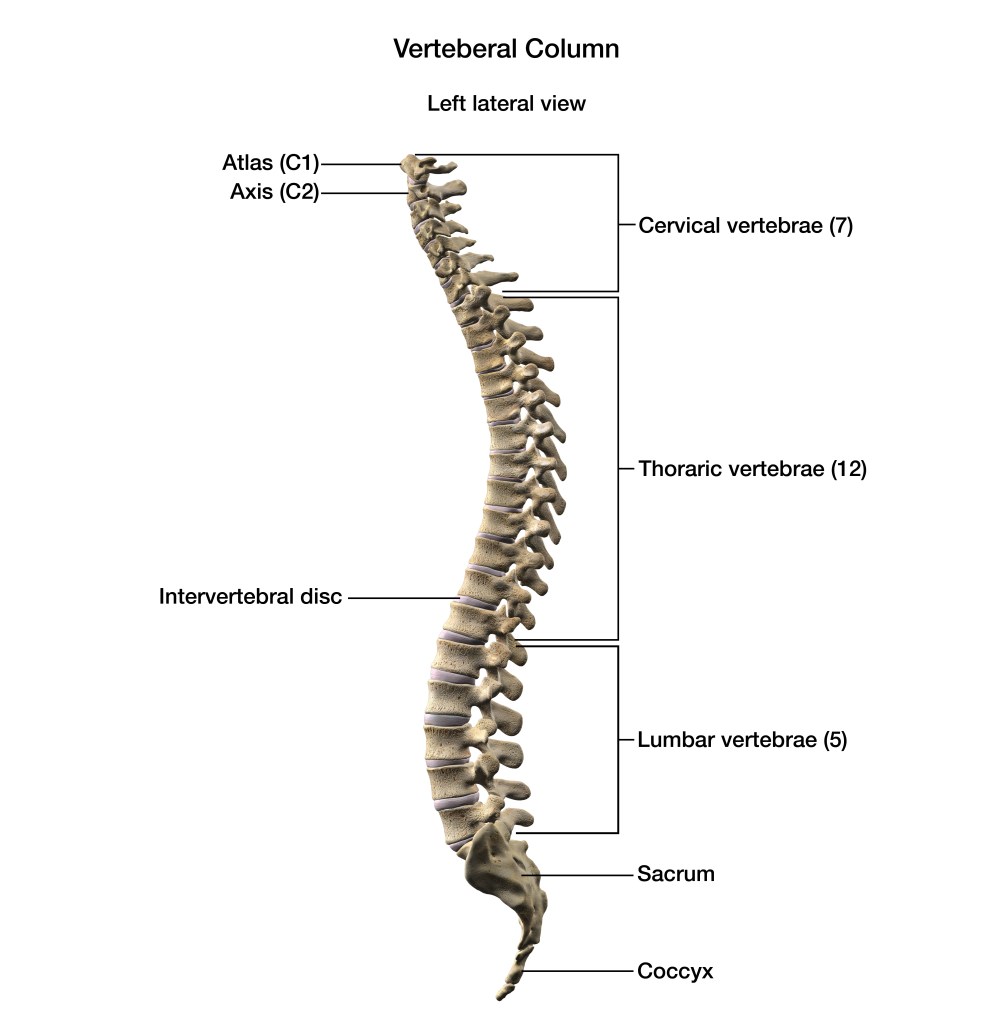
    1. A Mobile Spine Is a Healthy Spine

    The spine is designed to move in multiple directions — flexion, extension, rotation, and lateral flexion. When we stop moving it, stiffness sets in, posture declines, and compensations appear in the hips, shoulders, and neck.

    Pilates restores natural movement patterns, helping clients feel lighter, freer, and more aligned.

    2. Spinal Mobility Reduces Back Pain

    Many people experience back pain not because their spine moves too much, but because it doesn’t move enough. Gentle, controlled mobility work:

    • Hydrates the discs
    • Improves circulation
    • Releases muscular tension
    • Encourages balanced movement – and we are made to move

    For seniors, this is especially important as mobility naturally declines with age.

    3. Mobility Improves Core Activation

    A spine that moves well allows the deep core muscles to activate more effectively. When the spine is rigid, clients often grip, brace, or overuse superficial muscles.

    Mobility creates space for the core to do its job.

    4. Mobility Enhances Movement Quality

    Pilates is built on flow, articulation, and control. Spinal mobility improves:

    • Coordination
    • Balance
    • Breath integration
    • Movement efficiency

    It’s the difference between “doing exercises” and moving with intelligence.

    Understanding the Four Directions of Spinal Movement

    1. Flexion

    Forward bending of the spine.
    Used in: Roll Up, Roll Over, Spine Stretch
    Benefits: Lengthens the back body, articulates the spine, strengthens abdominals
    Caution: Avoid deep flexion for clients with disc issues or osteoporosis. Always take a medical history.

    2. Extension

    Backward bending of the spine.
    Used in: Swan, Single Leg Kicks, Swimming.
    Benefits: Strengthens the posterior chain, improves posture and quality of breathing
    Caution: Avoid forcing extension; focus on length, not compression.

    3. Rotation

    Twisting through the spine.
    Used in: Spine Twist, Saw, Criss-Cross.
    Benefits: Improves oblique strength, rib mobility, efficient breathing and gait mechanics.
    Caution: Keep rotation gentle for clients with spinal stenosis, osteoporosis or arthritis.

    4. Lateral Flexion

    Side bending of the spine.
    Used in: Mermaid, Side Bend.
    Benefits: Improves rib and spine mobility, hip function, and balance.
    Caution: Avoid collapsing into the waist; think of lengthening up and over.

    How to Teach Spinal Mobility Safely

    1. Start With Breath

    Breath prepares the spine for movement.

    • Inhale to lengthen or extend
    • Exhale to mobilise or flex

    This creates space and support.

    2. Use Progressive Layers

    Start small, then build:

    • Pelvic tilts → Articulated bridge
    • Seated rotation → Saw
    • Cat/Cow → Swan prep

    This approach is especially important for seniors or beginners.

    3. Cue Length, Not Depth

    Encourage clients to imagine:

    • “Growing taller as you move”
    • “Creating space between each vertebra”
    • “Moving like a wave, not a hinge”

    This reduces compression and encourages articulation.

    4. Respect Individual Differences

    Not all spines move the same way.

    • Some clients are hypermobile
    • Some are stiff
    • Some have structural limitations

    Your job is to guide, not force.

    Warm-Up Exercises for Spinal Mobility

    These are perfect at the start of class.

    1. Cat/Cow (any position)

    Mobilises the entire spine with breath.
    Great for: all levels, seniors, back pain.

    2. Pelvic Tilts

    Gentle articulation of the lumbar spine.
    Great for: core activation, finding neutral, preparing for larger ROM

    3. Seated Spine Rotation

    Encourages rib mobility and oblique activation.
    Great for: beginners, seniors, desk workers.

    4. Mermaid Stretch

    Improves lateral flexion and rib expansion.
    Great for: shoulder release, breathwork integration.

    5. Standing Roll Downs (with preparation)

    Only after breathwork, gentle spine mobility and core activation.
    Great for: hamstring length, spinal articulation, core control.
    Caution: avoid for clients with osteoporosis or disc issues.

    Common Mistakes in Spinal Mobility Work

    ❌ Forcing range of motion

    Fix: Focus on ease, not depth.

    ❌ Moving too quickly

    Fix: Slow, controlled articulation.

    ❌ Over-cueing

    Fix: Use simple, sensory cues.

    ❌ Ignoring breath

    Fix: Pair every movement with inhale/exhale patterns.

    ❌ Not offering regressions

    Fix: Provide options for every spine.

    Case Study: The Power of Gentle Mobility

    One of my senior clients arrived with chronic stiffness, back pain and fear of movement. We began with breath-led pelvic tilts, seated rotation, and supported lateral flexion. Within weeks, she reported:

    • Less morning stiffness
    • Better balance
    • More confidence in daily movement
    • Reduced pain

    Her words: “I feel like my spine has woken up again.”
    This is the magic of mindful mobility.

    Key Takeaway

    Spinal mobility is not about bending further — it’s about moving better. When taught with breath, clarity, and respect for individual bodies, it transforms posture, reduces pain, and enhances every Pilates exercise that follows.

    Teach it slowly. Teach it mindfully. And your clients will feel the difference in every part of their practice.

    If you missed my post on the importance of a warmup, this is a good opportunity to read now.

    Learning or Teaching Pilates is about so much more than movement instructions. I can help you get the most out of this amazing practice.

    #Pilates #mobility #spinehealth #posture #movement

  • The Power of Breathwork in Pilates: How to Cue, Teach, and Apply Lateral Breathing

    Part 2 of the Pilates Essentials Series

    Discover why breathwork is essential in Pilates. Learn how to teach lateral breathing, improve core activation, and enhance movement quality.

    Breath is one of the most misunderstood — and most transformative — elements of Pilates. While many clients arrive thinking Pilates is “all about the core,” they quickly discover that breath is the gateway to core activation, spinal support, and mindful movement.

    As teachers, we know that breathwork isn’t just a warm-up component. It’s a foundational skill that shapes the entire practice. Yet in assessments and classes, I often see breath either rushed, skipped, or taught in a way that confuses rather than empowers.

    This guide will help you teach breathwork with clarity, confidence, and purpose — whether your students are beginners, seniors, or advanced movers. Breathwork is an essential part of any warm up and preparation for a Pilates class.

    Why Breathwork Matters in Pilates

    1. Breath Supports Core Activation

    Pilates uses lateral thoracic breathing, which encourages expansion of the ribcage while maintaining gentle engagement of the deep core muscles. This allows the transversus abdominis to stay active without gripping or bracing.

    When breath and core work together, clients experience:

    • Better spinal support
    • Reduced lower back tension
    • Improved stability during movement
    • A sense of ease rather than strain

    For seniors or those with back pain, this is especially important.

    2. Breath Enhances Movement Quality

    Breath creates rhythm, flow, and control. When clients breathe well, their movements become:

    • Smoother
    • More coordinated
    • More efficient
    • Less strained

    Breath is the thread that ties the entire class together.

    3. Breath Regulates the Nervous System

    A mindful breathing practice helps clients shift from tension to ease. This is vital for:

    • Reducing anxiety
    • Improving focus
    • Enhancing body awareness
    • Supporting trauma‑informed teaching

    A calm nervous system allows for better learning and safer movement.

    4. Breath Improves Oxygenation and Performance

    Breathing deeply increases oxygen delivery to muscles, improving endurance and reducing fatigue. This is why breathwork is not just a warm-up — it’s a performance enhancer.

    Understanding Lateral Thoracic Breathing

    Lateral breathing encourages the ribcage to expand outwards and backwards, rather than lifting the chest or pushing the belly out.

    Key characteristics:

    • The ribcage widens like an accordion
    • The sternum stays soft
    • The shoulders remain relaxed
    • The abdominal wall stays gently engaged
    • The breath is smooth and continuous

    This breathing pattern supports the spine and prepares the body for controlled movement.

    How to Teach Breathwork Effectively

    1. Start With Awareness

    ALWAYS start with deep diaphragmatic breathing. Clients need to be breathing efficiently and be able to feel the natural core contraction on the exhalation in order to replicate it voluntarily.

    Then invite clients to place their hands on the sides of their ribcage. Ask them to feel the ribs expand into their hands as they inhale, and soften as they exhale.

    This tactile feedback is invaluable.

    2. Use Clear, Simple Cues

    Avoid over‑explaining. Instead, try cues like:

    • “Breathe wide into the sides of your ribs.”
    • “Let your breath expand your ribcage like wings.”
    • “Soften your chest and let the breath move sideways.”
    • “Exhale and gently draw the lower ribs together.”

    These cues encourage natural movement without forcing.

    3. Pair Breath With Movement

    Breath should support the movement, not distract from it. For example:

    • Inhale to prepare or lengthen
    • Exhale to engage, stabilise, or flex

    This pattern helps clients feel grounded and supported.

    4. Offer Variations for Different Populations

    For seniors:

    • Keep cues slow and simple
    • Avoid breath-holding
    • Encourage gentle rib expansion

    For beginners:

    • Use tactile cues
    • Keep the breath natural
    • Avoid over-correcting

    For advanced clients:

    • Explore breath patterns that enhance flow
    • Use breath to deepen spinal articulation
    • Introduce breath‑initiated movement

    Breathwork Warm-Up Exercises

    Here are simple breath-focused warm-up drills you can use at the start of any class:

    1. Supine Rib Expansion

    • Knees bent, hands on ribcage
    • Inhale wide, exhale soften
    • Focus on releasing chest tension

    2. Seated Breath and Spine Mobilisation

    • Inhale to lengthen the spine
    • Exhale to gently flex or rotate
    • Perfect for seniors or those with limited mobility

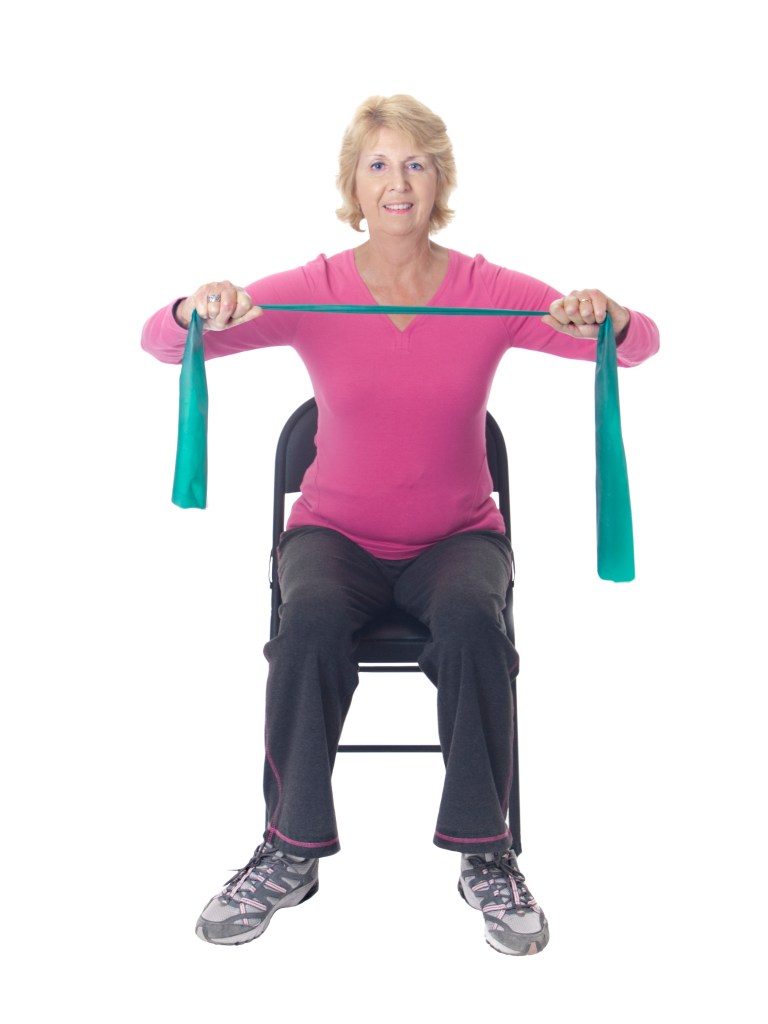
    3. Arm Sweeps With Breath

    • Inhale arms overhead
    • Exhale arms lower
    • Encourages coordination and shoulder mobility

    Common Breathwork Mistakes (and How to Fix Them)

    1. Over‑breathing or forcing expansion

    Fix: Encourage soft, natural breath. No pushing.

    2. Lifting the chest instead of widening the ribs

    Fix: “Keep the sternum soft.”

    3. Gripping the abdominals

    Fix: “Let the belly soften on the inhale.”

    4. Breath-holding during effort

    Fix: “Keep the breath flowing like a wave.”

    5. Over-cueing

    Fix: Use fewer words. Let clients feel, not think.

    Case Study: Breathwork Transforming Movement

    One of my clients struggled with neck tension during core work, even with the upper body down. After teaching her to soften the chest on the inhale, actively release stress and work within her ability level, her neck tension reduced dramatically. Clients often believe that the harder they work, the quicker results, but this simply isn’t true.

    She reported feeling “lighter, stronger, and more connected” — all from focussing on keeping her breath controlled and flowing.

    This is the power of breathwork.

    Key Takeaway

    Breathwork is not an add‑on — it’s the foundation of Pilates. When taught well, it enhances core activation, improves movement quality, supports the nervous system, and deepens the mind‑body connection.

    Teach breath with clarity and intention, and your clients will feel the difference in every movement.

    Learn how to teach Classical Mat Pilates with attention to the fundamental essentials on my Pilates Teacher Training Course.

    #pilates #pilatesbreathing #thoracicbreathing #lateralbreathing