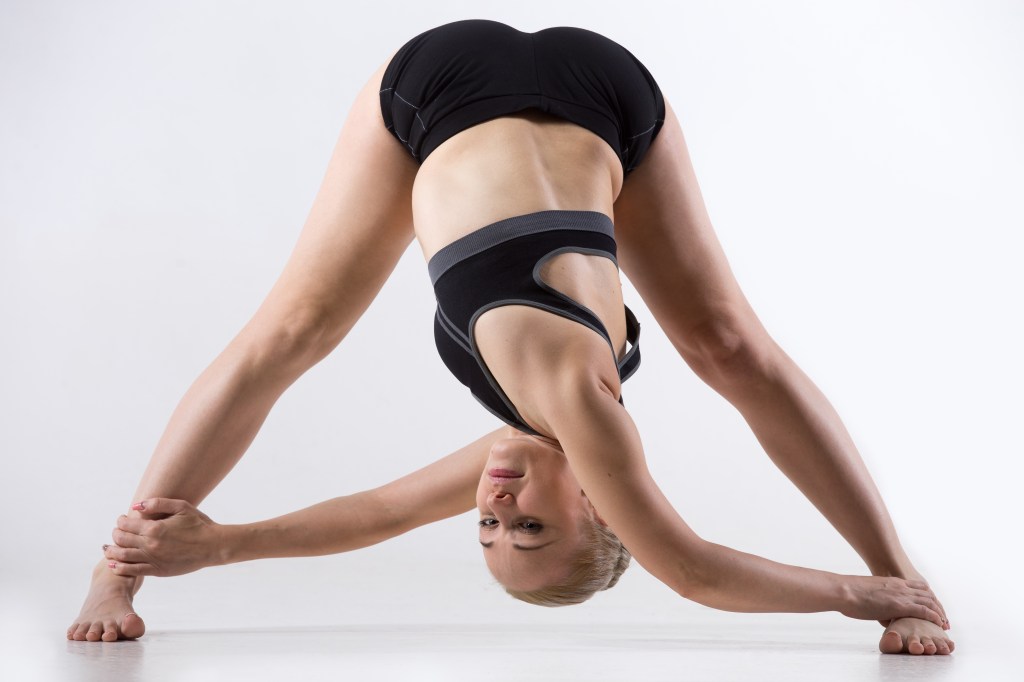
Fascia is no longer just a buzzword in bodywork circles — it’s emerging as one of the most vital systems in understanding movement, pain and emotional regulation. Once dismissed as inert connective tissue (and discarded during dissections!), fascia is now recognized as a highly innervated sensory organ, deeply intertwined with the nervous system. And when it comes to restoring balance, reducing stress and building resilience, Pilates and somatic movement offer some of the most fascia-friendly practices available.
In this post, we’ll explore:
- What fascia is and why it matters
- Fascia’s role as a sensory organ
- How fascia links to nervous system regulation
- Why Pilates and somatic movement are ideal for fascia health
- Practical ways to integrate fascia-focused movement into your wellness routine
What Is Fascia — And Why Is It So Important?
Fascia is the body’s connective tissue matrix — a silken web that wraps around muscles, bones, organs and even nerves. It’s not just structural: it’s communicative. Fascia contains:
- Sensory nerve endings (including proprioceptors and nociceptors)
- Blood vessels and lymphatic vessels
- Hormonal and neurotransmitter receptors
This makes fascia a multidimensional interface between body and brain. It’s constantly receiving, processing and responding to internal and external stimuli — from movement and hydration to emotional stress.
Fascia as a Sensory Organ
Recent research confirms that fascia is richly innervated and plays a key role in:
- Proprioception (your sense of body position)
- Interoception (your sense of internal states like hunger, pain, or calm)
- Emotional regulation (via vagal nerve pathways and hormonal feedback)
In fact, fascia may act as a “watchman” — a whole-body sensory system that helps regulate movement, posture and autonomic function. When fascia is healthy, it glides, hydrates and adapts. When it’s stuck, dehydrated or rigid, it can contribute to:
- Chronic pain
- Anxiety and dysregulation
- Poor coordination and fatigue
Pilates: A Fascia Whisperer
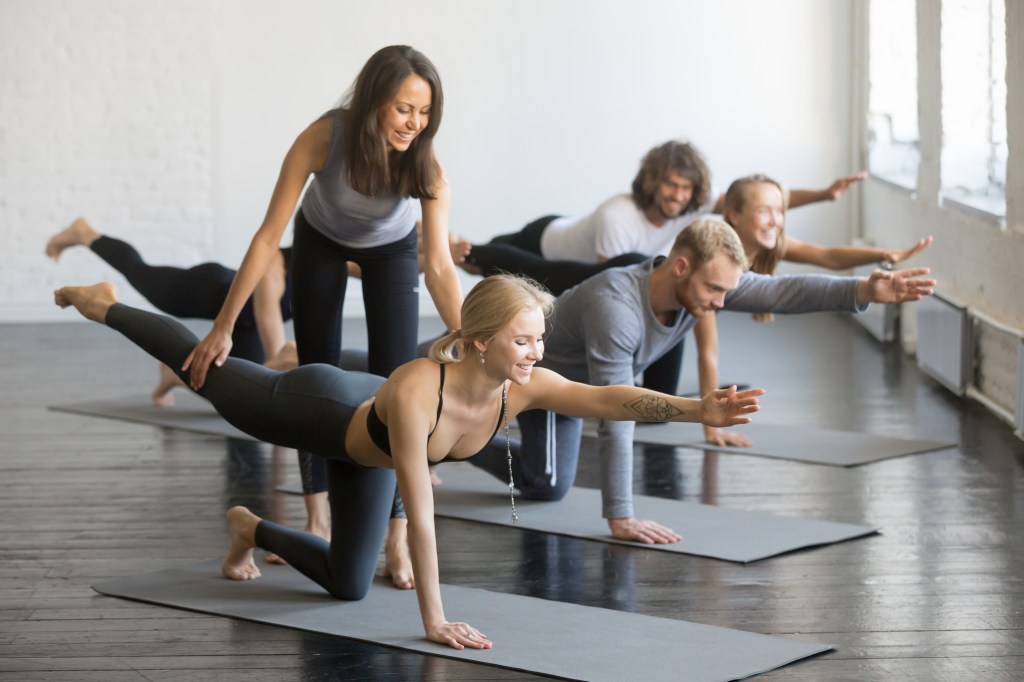
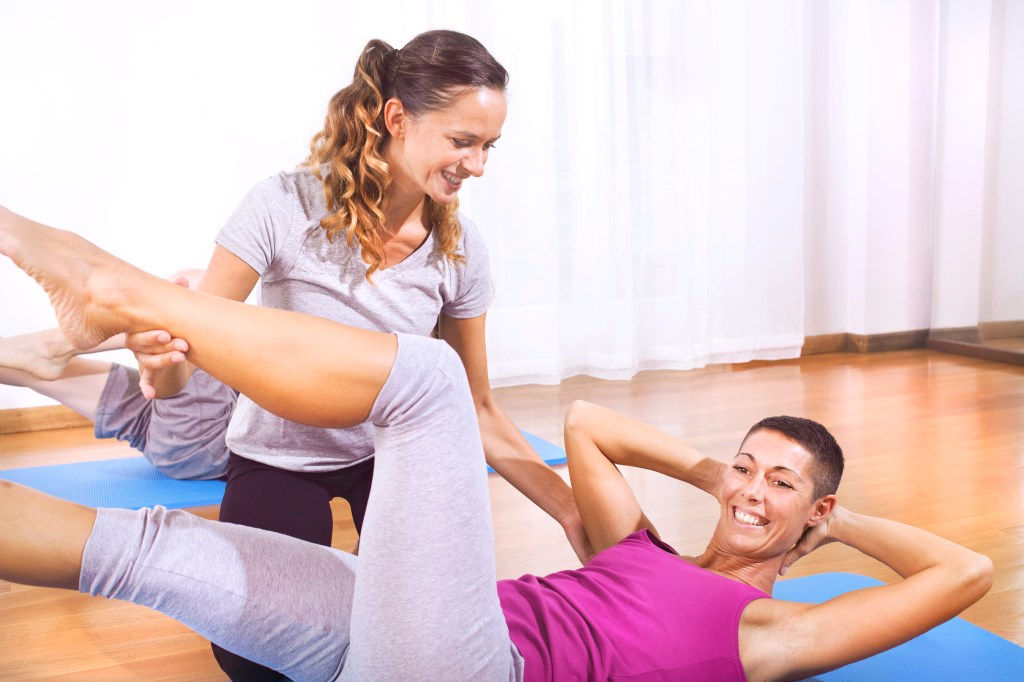
Classical mat Pilates is built on principles that fascia loves:
- Multi-directional movement (spirals, lengthening, load-sharing)
- Breath-led flow (stimulating vagal tone and hydration)
- Precision and control (enhancing proprioception)
Unlike repetitive gym workouts, Pilates offers compound, coordinated movement that nourishes fascia. Exercises like the Roll Down, Spine Stretch and Leg Circles stimulate fascial glide and elasticity. Breath cues help hydrate the tissue and calm the nervous system.
“Pilates is not a fatiguing system of dull, boring, abhorred exercises repeated daily ad-nauseum.”
Somatic Movement: Listening to the Body’s Inner Voice
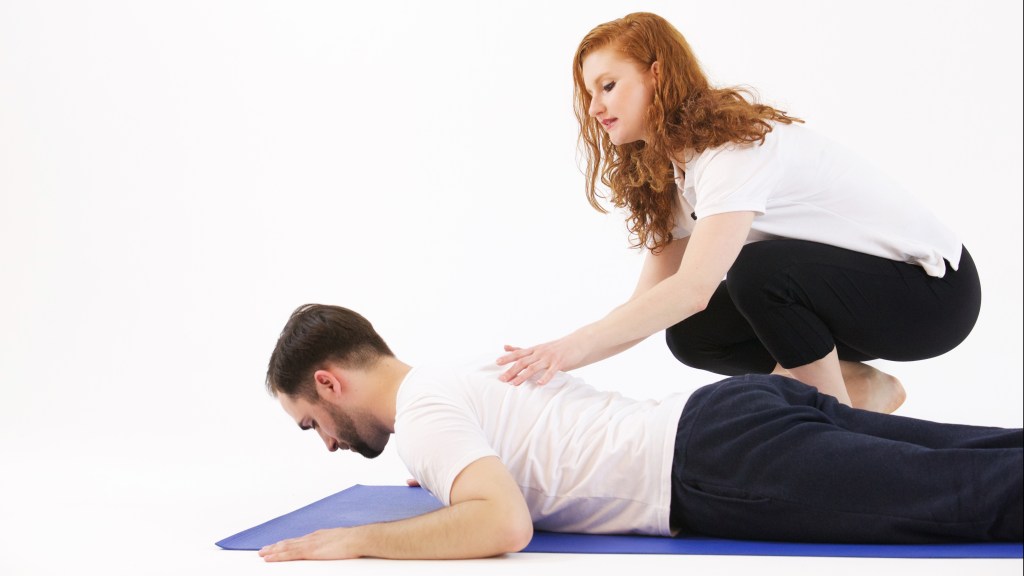
Somatic movement techniques emphasise slow, mindful movement that resets habitual tension patterns. Through practices like pandiculation (contracting and slowly releasing muscles), somatics help:
- Rewire motor patterns
- Reduce chronic contraction
- Restore resting tone and fluidity
Somatic movement is especially powerful for trauma recovery and emotional regulation. By tuning into sensation and allowing the body to move intuitively, we create space for the nervous system to downregulate and recalibrate.
Fascia & Nervous System Regulation: The Missing Link
The fascial system and nervous system are intimately interdependent. Fascia responds to stress, trauma and movement — and in turn, influences how we feel, move and heal. Here’s how they interact:
- Stress tightens fascia, leading to rigidity and pain
- Movement hydrates fascia, restoring glide and elasticity
- Breath calms fascia, activating parasympathetic pathways
- Awareness rewires fascia, improving coordination and emotional resilience
Pilates and somatic movement offer a dialogue with fascia, not just a workout. They help us move from “fight or flight” into “rest and digest,” using fascia as a gateway to nervous system health.
Practical Tips: Fascia-Friendly Movement Rituals
Want to integrate fascia-focused movement into your daily life? Try these:
- Start your day with standing cat/cow and move with the breath
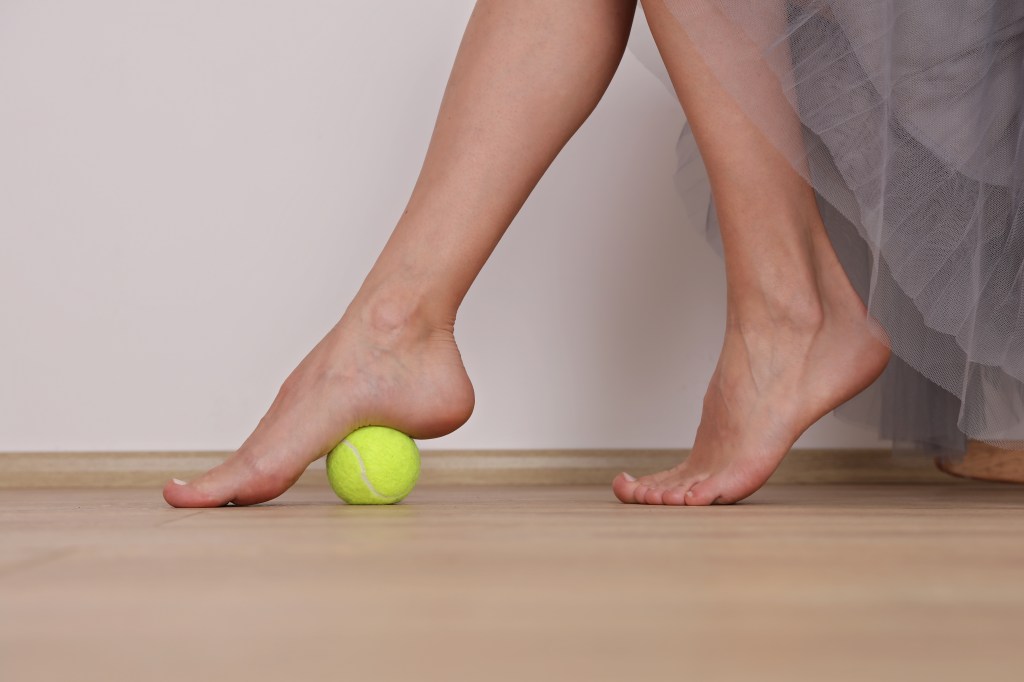
- Use a soft ball under your sacrum for myofascial release
- Practice 5-minute somatic pauses — notice sensation, breathe, move gently
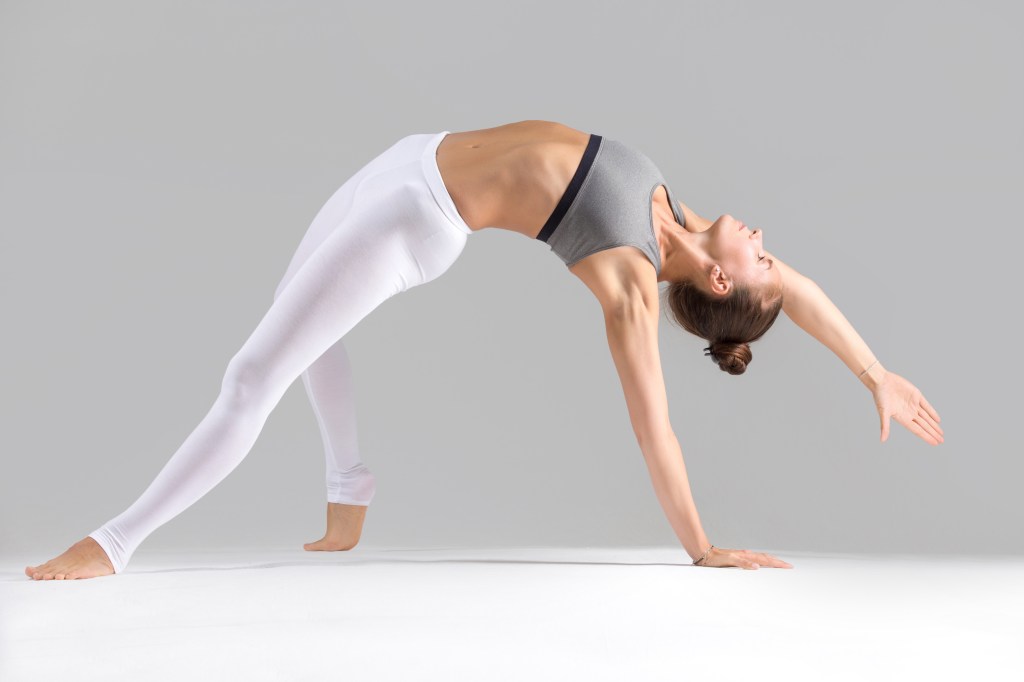
- Incorporate spirals and side bends into your Pilates routine
- End your day with Legs Up the Wall and humming to soothe fascia and vagus nerve
Final Thoughts: Movement as Medicine
Your fascia is listening — to your breath, your posture, your stress, your joy. It’s not just connective tissue: it’s a sensory organ, a messenger and a mirror. And when you move with intention, awareness and care, you’re not just exercising , you’re healing.
Pilates and somatic movement are more than fitness: they’re fascia medicine. They’re nervous system nourishment. They’re a return to embodied wisdom.
#fasciasensoryorgan #somatic movement #nervoussystemregulation #Pilates #fascia #trauma #fasciarelease #breath #vagusnerve #stressrelief #emotionalregulation #proprioception #interoception #anxiety #painrelief
 BODY SOUL WELL