Introduction
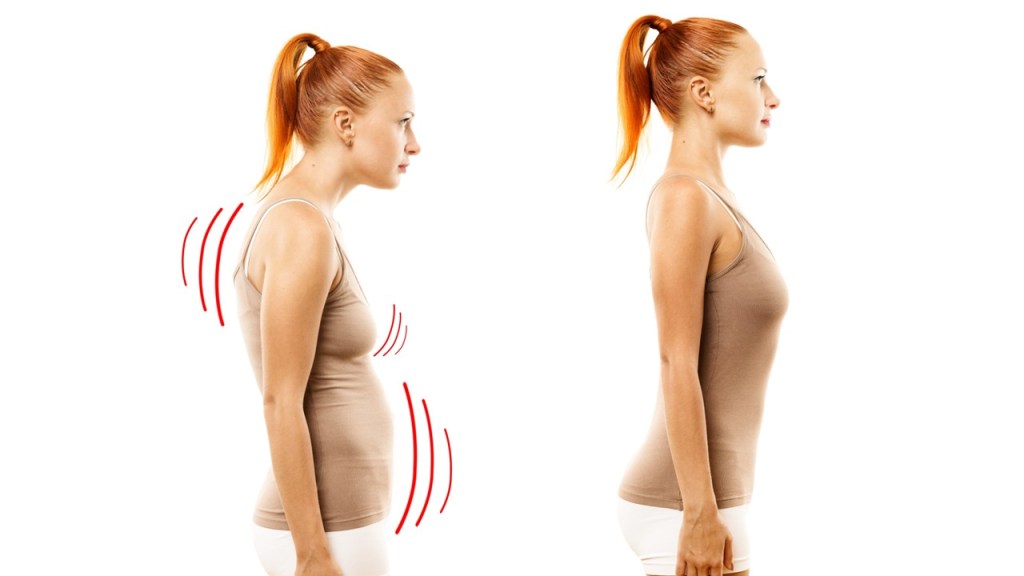
As movement professionals, we talk about posture all the time — but not always in the way our clients need. Too often, posture gets reduced to “stand up straight” or “pull your shoulders back”, when in reality it’s a living, adaptive, expressive behaviour shaped by breath, emotion, habit, load, and environment. You can’t always know what’s going on in someone’s life in a large class, so be aware of how life influences posture.
Posture isn’t a shape: it’s a story
This new series, Decoding Posture: A Movement Professional’s Guide, is designed to help you see that story more clearly — in your clients, in your classes, and even in your own body. We’ll explore posture from the ground up, looking at the subtle patterns, compensations, and relationships that influence alignment far more than any single muscle ever could.
Across the coming weeks, we’ll dive into:
- how the feet shape everything above,
- why knees and ankles reveal more than you think,
- the pelvis as a dynamic power centre,
- the truth about spinal curves,
- the influence of breath and the ribcage,
- the misunderstood world of shoulders and head position,
- and how posture changes when we move.
If you’re a Pilates teacher, yoga instructor, PT, or movement educator who wants to deepen your eye for alignment, this series will give you practical, compassionate, and science‑informed tools you can use straight away.
We’ll begin where all posture begins — with the feet.
My Postural Assessment & Correction course is aimed at movement professionals and offers many insights and strategies to help you help your clients.
 BODY SOUL WELL
Leave a comment