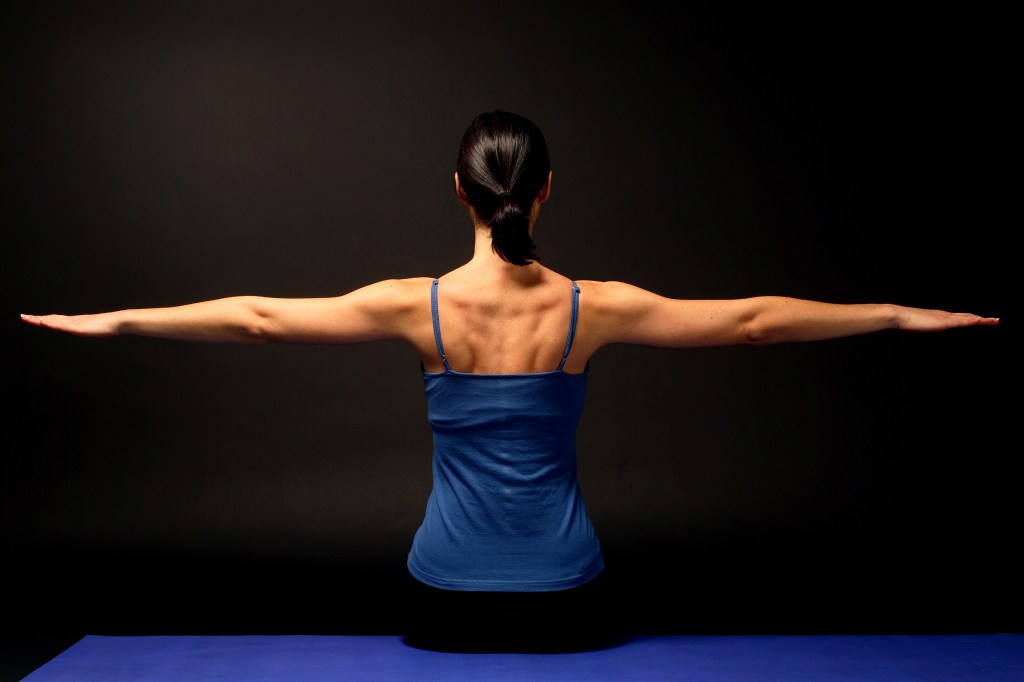
Pilates Essentials Series — Part 6
Introduction: Why the Shoulder Girdle Is the Unsung Hero of Pilates Technique
When we think of Pilates fundamentals, the core and pelvis often take centre stage — but the shoulder girdle is just as essential. For teachers, understanding how to cue and organise the shoulder complex is key to helping clients move with ease, reduce neck and upper‑back tension, and build true functional strength.
The shoulder girdle is a dynamic, mobile structure designed for fluid movement. Yet many clients arrive with stiff necks, rounded shoulders, overactive upper traps, and underactive stabilisers. Without proper alignment and engagement, even simple Pilates exercises can create strain instead of strength.
In this instalment of the Pilates Essentials Series, we explore how to teach shoulder girdle stability and upper‑body integration in a way that empowers your clients to move freely, breathe fully, and build balanced strength.
1. Understanding the Shoulder Girdle: A Teacher’s Guide
The shoulder girdle is not just the shoulder joint — it’s an entire system.
Key components include:
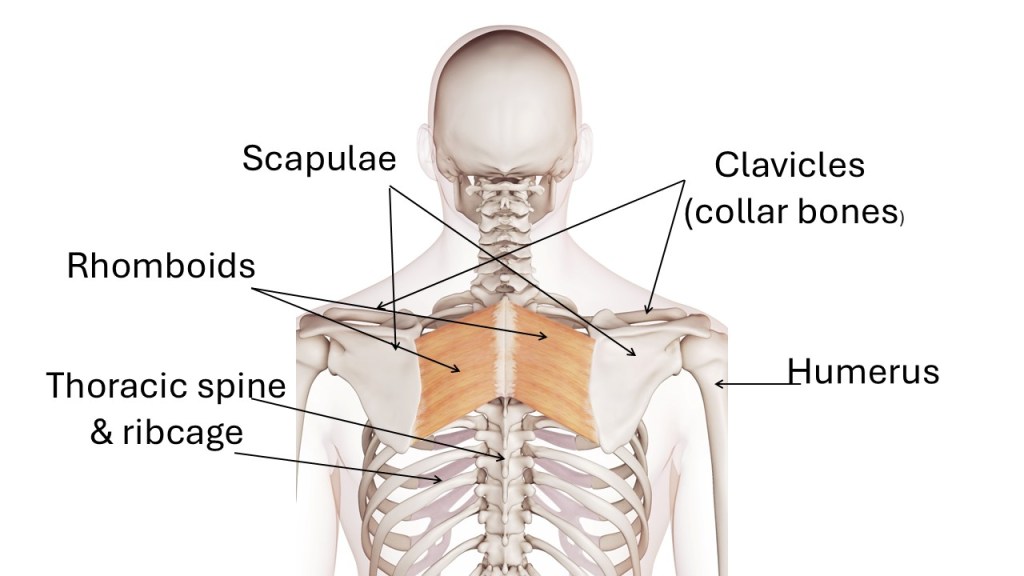
- Scapulae (shoulder blades)
- Clavicles (collarbones)
- Humerus (upper arm bone)
- Thoracic spine and ribcage
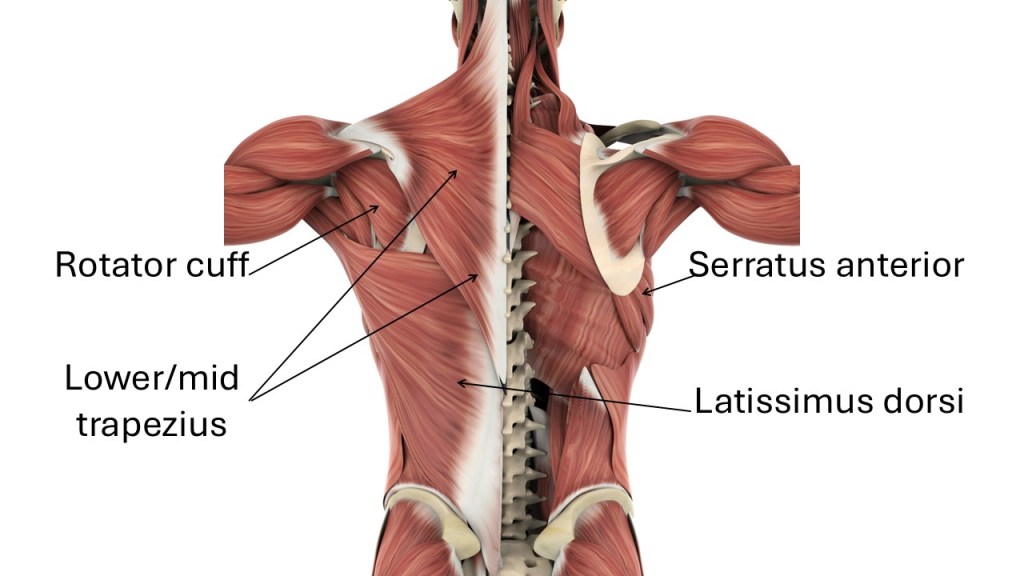
- Muscles including:
- Serratus anterior
- Lower and middle trapezius
- Rhomboids (above)
- Rotator cuff
- Pectorals (chest)
- Latissimus dorsi
Why this matters in Pilates
The shoulder girdle influences:
- Neck tension
- Ribcage mobility
- Breath capacity
- Core activation
- Arm strength
- Posture
- Load transfer through the spine
When the shoulder girdle is organised, the entire upper body becomes more efficient and responsive.
2. The Three Pillars of Shoulder Girdle Stability
1. Scapular placement
The scapulae should rest on the ribcage like “wings,” not pinched together or shrugged upward.
Neutral scapular placement means:
- Wide across the collarbones
- Shoulder blades gently anchored down the back
- No gripping or forcing
2. Serratus anterior activation
This muscle is the secret weapon of shoulder stability.
It helps:
- Keep the scapulae flush to the ribcage
- Prevent winging
- Support overhead movements
- Reduce upper‑trap dominance
3. Balanced mobility
Stability does not mean rigidity. The shoulder girdle must glide, rotate, and slide to support natural movement.
3. How Shoulder Girdle Alignment Affects the Whole Body
a. The neck
Poor scapular control often leads to:
- Neck tension
- Forward-head posture
- Overuse of upper trapezius
b. The ribcage
The shoulder girdle sits on the ribcage — if the ribs are stiff or flared, the shoulders cannot organise well.
c. The core
Upper‑body alignment influences:
- Deep core activation
- Breath mechanics and efficiency
- Thoracic mobility
d. The arms
Without stable scapulae, arm movements become inefficient and strain the rotator cuff.
4. Teaching Shoulder Girdle Stability: A Step‑by‑Step Method for Instructors
Step 1: Build awareness
Clients must first feel their shoulder blades.
Use explorations such as:
- Scapular elevation/depression
- Protraction/retraction
- Upward/downward rotation
Encourage slow, mindful movement.
Step 2: Introduce neutral scapular placement
Cue:
- “Widen your collarbones.”
- “Let your shoulder blades melt down your back.”
- “Imagine your shoulder blades sliding into your back pockets.”
Avoid cues like “pull your shoulders down” — they often create tension.
Step 3: Layer in breath
Breath expands the ribcage, which supports scapular placement.
Cue:
- “Inhale to widen the ribs; exhale to soften the shoulders.”
Step 4: Add load gradually
Once alignment is established, challenge it with:
- Arm arcs
- The Hundred arm pumps
- Plank variations
The goal is maintaining organisation under increasing demand.
5. Common Shoulder Girdle Issues & How to Correct Them
1. Over‑shrugging
Often caused by:
- Upper‑trap dominance
- Weak serratus anterior
- Stress and habitual tension
Corrections:
- Cue softening of the shoulders
- Strengthen serratus anterior
- Encourage ribcage expansion
2. Scapular winging
Often caused by:
- Weak serratus anterior
- Poor ribcage mobility
- Overuse of pecs
Corrections:
- Teach protraction with control
- Strengthen serratus (e.g., wall slides, quadruped work)
- Improve thoracic mobility
3. Over‑retraction (“military posture”)
Often caused by:
- Over‑cueing “shoulders back”
- Tight rhomboids
- Weak lower traps
Corrections:
- Cue width across the collarbones
- Encourage natural scapular glide
- Strengthen lower traps
6. Cueing Strategies That Create Real Change
Use imagery
- “Imagine your shoulder blades floating on warm water.”
- “Think of your collarbones as wings spreading wide.”
Use tactile cues
With consent:
- Hands on the scapulae
- Guiding the shoulder blades into neutral
Use functional cues
- “Can you move your arm without your shoulder hiking?”
- “Can you breathe without your shoulders lifting?”
Use layered cueing
Start broad → refine → integrate.
7. Exercises That Teach Shoulder Girdle Stability Naturally
1. Scapular isolations
Build awareness and control.
2. Angel Arms/Wall slides
Strengthen serratus anterior and improve upward rotation.
3. Quadruped arm reach
Integrates core, shoulder, and ribcage stability.
4. Plank variations
Teach load‑bearing with proper alignment.
5. Arm work
Challenges stability through resistance (bands or weights).
8. Progressions for Safe, Effective Upper‑Body Training
Start with awareness
Clients must understand scapular movement.
Add stability
Introduce neutral placement and breath.
Add load
Use arm arcs, resistance, and planks.
Add complexity
Rotation, balance, and dynamic transitions.
Add functional integration
Standing work, overhead movements, and full‑body sequences.
9. Why Shoulder Girdle Stability Elevates Your Teaching
When you teach shoulder girdle organisation well, your clients:
- Reduce neck and shoulder tension
- Improve posture
- Strengthen their upper body safely
- Move with more confidence
- Breathe more fully
- Build long‑term resilience
And your teaching becomes:
- More precise
- More effective
- More transformative
Conclusion: Creating Strength Without Tension
The shoulder girdle is a dynamic, powerful system that supports every upper‑body movement in Pilates. When clients learn to organise their shoulders with ease and awareness, they unlock a new level of strength — one that is grounded, balanced, and free from tension.
As teachers, our role is to guide them toward this integration with clarity, patience, and thoughtful cueing.
 BODY SOUL WELL
Leave a comment