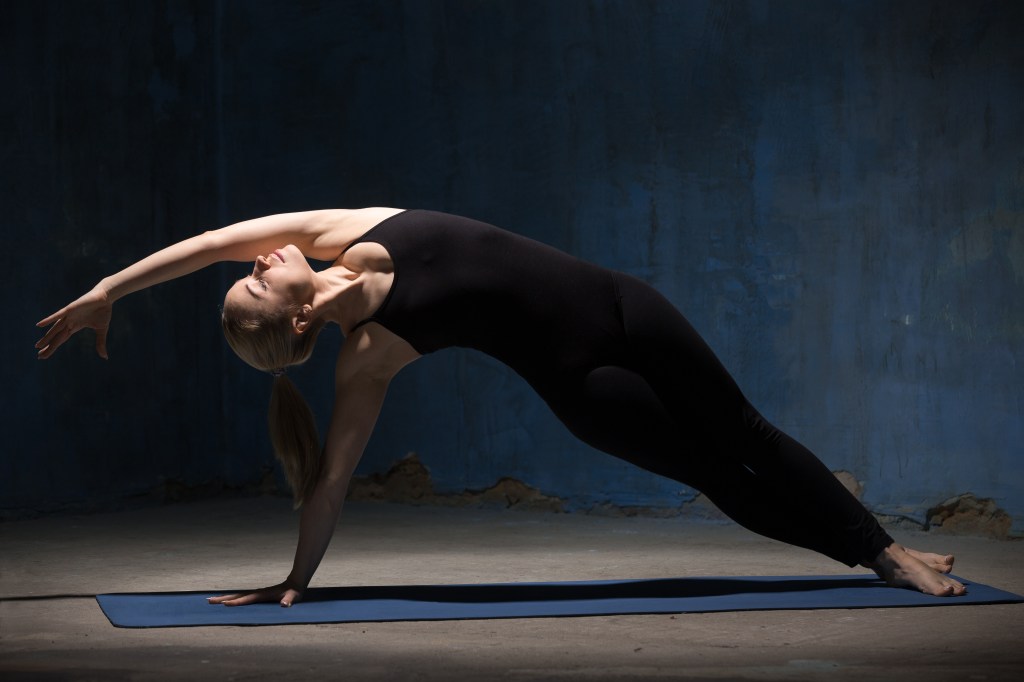
In Pilates, we spend a lot of time teaching or mastering a core contraction and thoracic (or lateral) breathing. We emphasise pelvic stability. What many teachers don’t teach is simple diaphragmatic breathing to allow clients to understand the natural relationship between the diaphragm and pelvic floor/core and help them notice how core activation happens naturally with the breath. We also don’t spend enough time on the first principle of Pilates: Relaxation which can be read as release of tension.
Deep, diaphragmatic breathing is often simply seen as a calming tool, a way to soften stress or settle the mind. But in somatic movement and biomechanics, breath is far more than a soothing mechanism — it is a structural organiser, a stabilising force, and a direct line of communication with the pelvic floor and core. When the diaphragm and pelvic floor work in harmony, the body feels grounded, supported, and responsive. When they fall out of sync, the pelvis often becomes a site of gripping, bracing, or collapse.
Understanding the diaphragm–pelvic floor relationship gives movement professionals a powerful tool for reading the body. It reveals why some clients struggle with pelvic stability, why others over‑recruit their abdominals or glutes, and why emotional states so often show up in the centre of the body. And for hypermobile movers, this relationship becomes even more essential — because breath is one of the most reliable stabilisers they have.
Breath as a Structural Force
The diaphragm is a dome‑shaped muscle that sits beneath the ribcage, separating the thoracic and abdominal cavities. On inhalation, it contracts and descends. On exhalation, it relaxes and rises. This movement is not just respiratory; it is mechanical. Every breath changes pressure within the torso, influencing spinal/pelvic stability, posture, and the responsiveness of the pelvic floor.
The pelvic floor mirrors the diaphragm’s movement:
Inhalation: diaphragm descends | pelvic floor yields and lengthens
Exhalation: diaphragm rises | pelvic floor recoils and supports
This co-ordination creates a natural rhythm of expansion and containment. It is the body’s built‑in stabilisation system — subtle, continuous, and deeply influenced by emotional state. When breath is fluid, the pelvic floor is responsive.
The Diaphragm–Pelvic Floor Partnership
1. Pressure Management and Core Stability
The diaphragm and pelvic floor form the top and bottom of the abdominal pressure system. When they move together, pressure distributes evenly through the torso, supporting the spine and pelvis without excessive muscular effort. Spending time getting clients to feel, to experience this sensation is a good investment.
When they fall out of sync, the body compensates by gripping:
- the lower abdominals
- the hip flexors
- the glutes
- the deep rotators
- or even the upper abdominals
These compensations create muscle imbalances and faulty postures which in time will affect overall health and wellbeing.
2. Fascial Continuity
The diaphragm, psoas, quadratus lumborum, thoracolumbar fascia, and the anterior abdominal wall are all connected. The pelvic floor connects to the sacrotuberous ligament, the obturator fascia, and the deep hip rotators.
Together, they form a fascial corridor that influences:
- pelvic mobility
- sacral movement
- lumbar stability
- visceral support
When breath is restricted, this fascial system becomes less elastic, contributing to the sense of being stuck in the pelvis.
3. Neural and Emotional Influence
Both the diaphragm and pelvic floor are richly innervated. The diaphragm responds to autonomic shifts such as stress, fear, or anticipation by tightening or reducing its range. The pelvic floor follows, often creating gripping or holding patterns.
This is why emotional states show up so clearly in the pelvis – it reminds me of something a therapist once said: that we hold our emotions in our hips.
How Stress Disrupts the Breath–Pelvis Relationship
Stress changes breathing instantly. The diaphragm lifts, breath becomes shallow, and the ribcage stiffens. This reduces the diaphragm’s descent, which in turn reduces the pelvic floor’s ability to lengthen.
The result is a cascade of protective patterns involving tension in the pelvic floor, core, hip flexors and glutes which increases tension in the lumbar spine and reduces pelvic mobility.
The body compensates in an effort to create stability when the nervous system feels unsafe.
Hypermobility: A Special Case
Hypermobility adds complexity to the diaphragm–pelvic floor relationship. Hypermobile bodies often have:
- less reliable proprioception
- difficulty sensing subtle movement
Because their connective tissue is more elastic, hypermobile movers may struggle to feel the natural recoil of the pelvic floor on exhalation. They may also have difficulty sensing the diaphragm’s descent, leading to shallow breathing patterns that increase pelvic instability. Their natural posture tends to be Swayback (hanging into the hips) which makes it difficult for core muscles to respond.
Why Breath Is Essential for Hypermobile Movers
Breath provides a better opportunity for:
- internal support
- predictable rhythm
- pressure‑based stability
- a way to organise movement without over‑recruiting muscles
Teaching diaphragmatic breathing in a stable neutral position helps hypermobile movers feel grounded without tension. It teaches them to sense the subtle rise and fall of the diaphragm and pelvic floor, giving them a reliable stabilisation strategy that doesn’t rely on muscular overuse.
Restoring the Breath–Pelvis Dialogue
Somatic experiencing works by slowing down, sensing, and reorganising – bringing client awareness to they are feeling and connecting mind and body. It helps the diaphragm and pelvic floor rediscover their natural partnership.
1. Softening the Breath
Gentle, full inhalations that allow the lower ribs to widen help the diaphragm descend. This encourages the pelvic floor to lengthen without force.
2. Allowing the Belly to Move
Many people hold the lower belly in an attempt to feel “supported”, aesthetic reasons and a misunderstanding of the purpose of the Pilates core contraction. Somatic movement invites the belly to soften, restoring the natural pressure changes that support the pelvis.
3. Releasing Global Bracing
When the diaphragm and pelvic floor are out of sync, the body recruits global muscles to stabilise. Attention to breath helps release unnecessary tension in. This allows the deep stabilisers to resume their natural role.
4. Re‑educating Proprioception
Slow, mindful movements help the nervous system sense the pelvis more clearly so that we become aware of internal sensation.
5. Rebuilding Trust in the Centre
As breath becomes more fluid and the pelvic floor more responsive, the body begins to trust its own stability again. This reduces the need for gripping and allows movement to feel more integrated.
What Breath‑Driven Pelvic Release Feels Like
People often describe it as having more freedom in the hips, emotional clarity, a grounded feeling, soft belly and easy, relaxed breathing. These sensations indicate that the diaphragm and pelvic floor are communicating again.
Breath as a Gateway to Pelvic Ease
When the diaphragm and pelvic floor move together, the pelvis becomes less of a stress container and more of a responsive centre. Stability improves. Emotional regulation becomes easier. Movement feels more fluid and less of an effort. Discovering this relationship can be transformative.
When we slow the movement down and move with the breath, our core does its job with ease and efficiency. Instead of thinking about how many reps we can knock out, slowing it down has a beneficial impact on our soul as well as incredible results for our body.
 BODY SOUL WELL
Leave a comment