Nothing else will make sense unless you start here
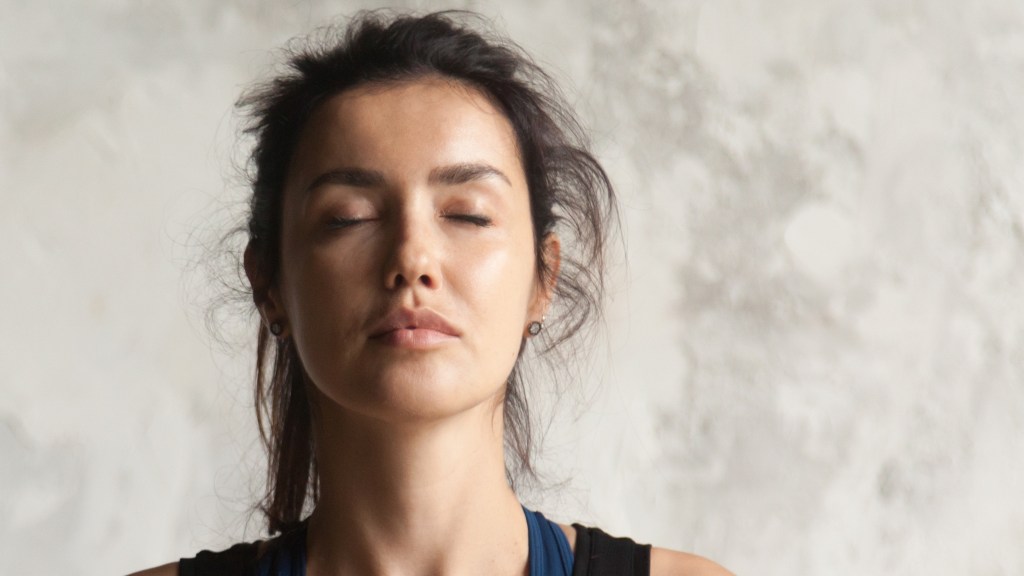
One of the assignments for the assessed Certification is to teach the Fundamentals, the foundations of Pilates: neutral position, core activation and thoracic breathing. So many students start with thoracic breathing, but clients will struggle to understand this if they aren’t breathing deeply (or normally?) first. They will struggle to understand what the core muscles are and where they are. They will struggle to engage them effectively.
I say “normally” because this is the way we should all be breathing as we go about our daily business, so let’s start with a definition and method:
What is Diaphragmatic Breathing?
Diaphragmatic breathing, also known as abdominal or deep breathing, is a technique that involves the diaphragm pressing down onto the abdominal organs as it flattens out when it contracts. It is the primary muscle responsible for the mechanics of breathing, located at the base of the lungs which divides the chest cavity from the abdominal cavity. Diaphragmatic breathing encourages fuller oxygen exchange by expanding the thoracic cavity on inhalation, creating a vacuum that pulls air into the lungs. As the diaphragm relaxes and returns to its dome shape, aided by the natural contraction of the core muscles, air is pushed from the lungs.
Immediately, you can see how the core muscles respond naturally when we breathe efficiently, without us having to think about making it happen. We are left in no doubt where they are or how to activate them on the exhalation. It’s a small step to holding the core engagement whilst inhaling as well as exhaling and clients will observe that now, rather than the abdomen expanding to make space for the diaphragm, the ribs expand: thoracic breathing!
How to Practise Diaphragmatic Breathing
- Find a comfortable position, either sitting or lying down.
- Place one hand on your chest and the other on your abdomen.
- Breathe in slowly through your nose, allowing your abdomen to rise as the diaphragm contracts and draws air into your lungs. Your chest should remain relatively still.
- Exhale slowly through your mouth, feeling your abdomen fall as you expel the air.
- Repeat this process for several breaths, focusing on the movement of your abdomen and contraction of the core on the exhale.
- Notice also the natural movement of the spine – albeit subtle – from extension as you inhale to flexion as you exhale, essential for efficient breathing.
Benefits of Diaphragmatic Breathing
- Reduces stress and anxiety: Deep, focused breathing activates the body’s relaxation response, lowering stress hormones and promoting a sense of calm. The first principle of Pilates is “Relaxation”.
- Improves oxygen exchange: By fully engaging the diaphragm, more oxygen reaches the bloodstream, which enhances overall health and energy levels.
- Lowers heart rate and blood pressure: Regular diaphragmatic breathing can help reduce heart rate and blood pressure, supporting cardiovascular health.
- Enhances concentration and focus: The mindful aspect of the technique can improve mental clarity and alertness.
- Supports respiratory function: It can increase lung efficiency and is often used in pulmonary rehabilitation and by those with breathing difficulties.
- Relieves muscle tension: Engaging the diaphragm and promoting relaxation can help ease muscle tightness, especially in the shoulders and neck.
- Improves posture: Practising diaphragmatic breathing encourages better posture by activating core muscles and reducing reliance on chest and shoulder muscles for breathing.
Starting each class with diaphragmatic breathing will lead to a better understanding of Pilates Fundamentals and a greater ease and efficiency of use. It can help focus the mind at the beginning of every class and lead to significant improvements in both physical and mental well-being. A great way to finish a class, too.
 BODY SOUL WELL
Leave a reply to The Power of Breathwork in Pilates: How to Cue, Teach, and Apply Lateral Breathing – BODY SOUL WELL Cancel reply